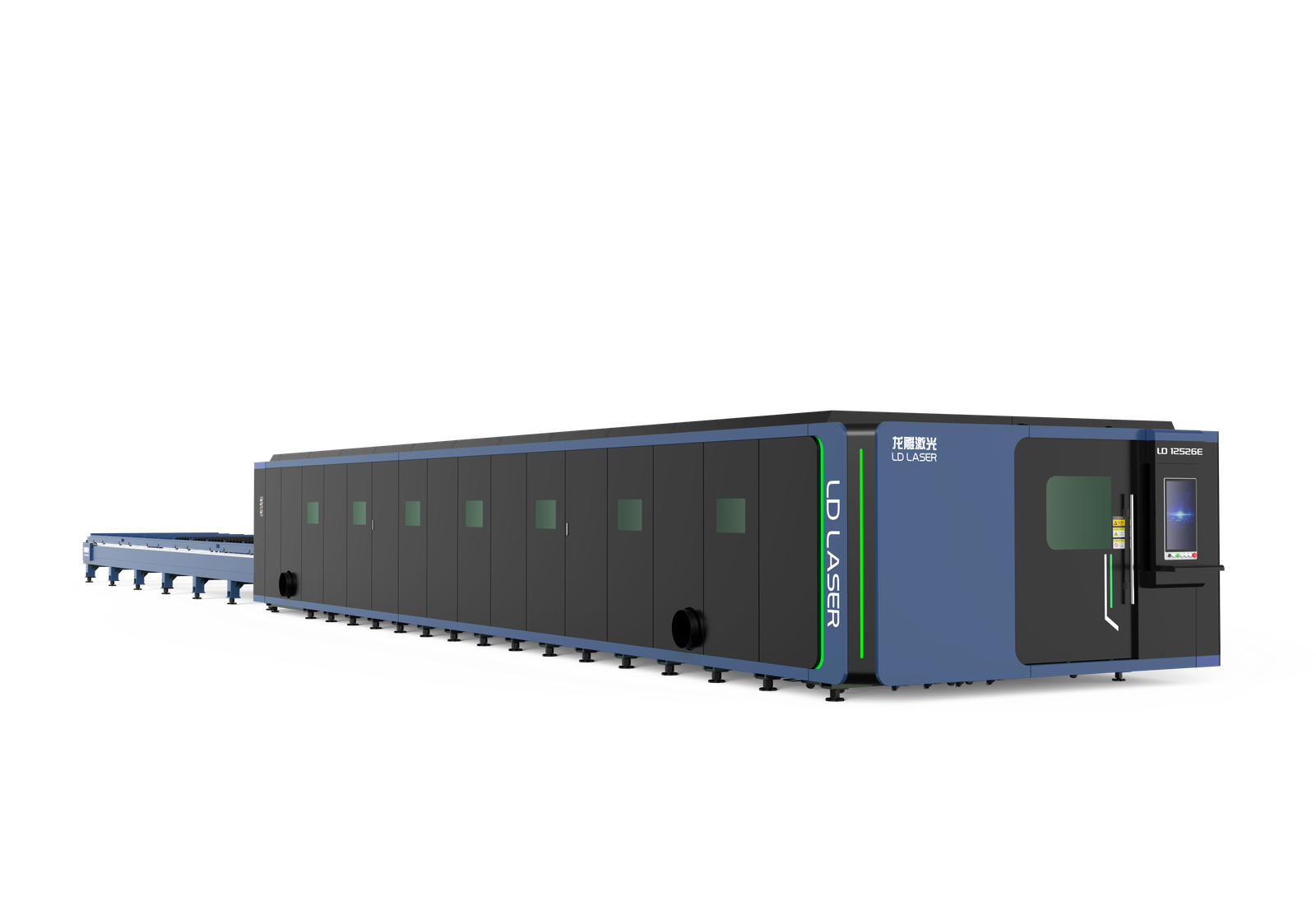
Modern industrial fabrication demands precise pipe bevel cutting solutions that meet stringent dimensional tolerances and metallurgical requirements. Laser technology has emerged as the superior method for creating 45° grooves, delivering ±0.1mm accuracy while maintaining cutting speeds of 2-5 meters per minute. This advanced approach minimizes heat-affected zones and achieves surface roughness values between 3.2-6.3 micrometers without secondary finishing operations. The critical factors determining optimal performance extend beyond basic cutting parameters to encompass equipment specifications and thorough cost-benefit analysis.
Key Takeaways
Laser technology achieves 45° bevel cuts with ±0.5 degree angular precision and dimensional tolerances within ±0.1mm.
Minimum 3kW laser power required for 6mm wall thickness carbon steel with optimal power density of 10^6-10^8 W/cm².
Heat-affected zone minimized to 0.1-0.3mm width while maintaining surface roughness between 3.2-6.3 micrometers for direct welding.
Automated cutting speeds reach 2-5 meters per minute with 250% higher production rates than traditional methods.
Compliance with AWS D1.1, ASME B31.3, and API 1104 standards ensures weld integrity for critical applications.
Understanding Laser Technology for Pipe Bevel Applications
As precision requirements in pipeline construction have intensified, laser technology has emerged as the predominant method for achieving accurate pipe bevel cuts across industrial applications. The fundamental principle involves concentrated photon energy creating controlled material removal through vaporization and melting processes.
Laser beam dynamics determine cut quality through parameters including focal point positioning, beam diameter, and power density distribution. Ideal beam convergence angles typically range from 4-8 degrees, while power densities between 10^6-10^8 W/cm² facilitate efficient material removal rates.
Pipe material compatibility spans carbon steel, stainless steel, aluminum, and specialized alloys. Each material requires specific wavelength selections: COlasers (10.6 μm) excel with carbon steel applications, while fiber lasers (1.07 μm) demonstrate superior performance on stainless steel and aluminum substrates.
Automated CNC integration enables consistent 45-degree bevel profiles meeting ASME B31.3 and API 1104 specifications. Real-time monitoring systems maintain ±0.1mm tolerance standards while achieving cutting speeds up to 2000mm/min on standard wall thickness applications.
Advantages of 45° Laser-Cut Bevels Over Traditional Methods
While traditional mechanical cutting methods like flame cutting, plasma arc cutting, and machining have served pipeline construction for decades, laser-cut 45° bevels deliver measurably superior performance across multiple operational parameters.
Precision cutting capabilities enable dimensional tolerances within ±0.1mm, compared to ±0.5-1.0mm achieved through conventional methods. Manufacturing efficiency gains are realized through automated processing speeds reaching 2-5 meters per minute, depending on material thickness and composition.
Key performance advantages include:
- Heat-Affected Zone Minimization – Laser processing reduces HAZ width to 0.1-0.3mm versus 2-5mm in flame cutting, preserving base material metallurgical properties
- Surface Quality Enhancement – Ra surface roughness values consistently achieve 3.2-6.3 micrometers, eliminating secondary finishing operations
- Geometric Accuracy – CNC-controlled laser systems maintain angular precision within ±0.5 degrees across entire bevel profiles
These improvements directly translate to enhanced weld quality, reduced post-processing requirements, and compliance with stringent pipeline standards including API 5L and ASME B31.3.
Industrial Applications and Quality Standards Requirements
Laser-cut pipe bevels serve critical functions in high-stakes industrial sectors including aerospace, nuclear power generation, offshore oil platforms, and pharmaceutical processing systems where weld joint integrity directly impacts operational safety and regulatory compliance. These applications mandate adherence to stringent quality certification standards such as ASME B31.3 for process piping, AWS D1.1 for structural welding, and API 1104 for pipeline construction, which specify precise dimensional tolerances and surface finish requirements. Quality assurance protocols require documented traceability of cutting parameters, geometric verification through coordinate measuring machines, and metallurgical analysis to guarantee beveled surfaces meet specified angularity, roughness, and heat-affected zone criteria.
Critical Industry Applications
When precision welding demands exceed conventional cutting capabilities, laser bevel cutting emerges as the definitive solution across multiple critical industries. This technology addresses stringent safety considerations while delivering superior efficiency metrics compared to traditional mechanical methods.
Critical Industry Applications:
- Offshore Oil & Gas Platforms – Subsea pipeline connections require corrosion-resistant bevels meeting API 1104 standards for deep-water environments where repair access is severely limited.
- Nuclear Power Infrastructure – Reactor coolant systems demand ASME Section III compliance with precise 45° bevels ensuring zero-defect welds for radiation containment integrity.
- Aerospace Propulsion Systems – Engine fuel lines require aerospace-grade titanium bevels meeting AS9100 certification standards for extreme temperature and pressure resistance.
Each application demands documented traceability, dimensional accuracy within ±0.1mm tolerances, and heat-affected zone minimization for structural integrity preservation.
Quality Certification Standards
Compliance verification systems for laser bevel cutting operations require adherence to multiple international standards frameworks, with AWS D1.1, ISO 9013, and ASME Section IX serving as primary benchmarks for dimensional accuracy and metallurgical integrity. These compliance guidelines establish precise tolerances for bevel angle deviation (±1°), surface roughness parameters (Ra 25 μm), and heat-affected zone limitations.
Quality assessment protocols mandate documented inspection procedures including dimensional verification through coordinate measuring machines, visual examination per ASME B31.3, and metallographic analysis of cut surfaces. Certification bodies require traceability documentation linking cutting parameters to material specifications, operator qualifications, and equipment calibration records. Third-party inspection validates conformance to specified standards, ensuring structural reliability in critical applications where weld joint integrity directly impacts operational safety and regulatory compliance.
Equipment Selection and Technical Specifications
Ideal laser bevel cutting system performance depends on precise equipment specification matching operational requirements and material characteristics. Critical selection parameters include laser power output ranging from 2-15kW for standard pipe diameters, cutting head focal length specifications of 5-10 inches, and beam quality factors below 4.0 for consistent edge preparation. Automation system integration requires programmable multi-axis positioning capabilities, real-time adaptive control algorithms, and compliance with AWS D1.1 welding preparation standards.
Laser Power Requirements
Power density and beam characteristics form the foundation of effective laser bevel cutting systems for pipe applications. Ideal laser settings require precise power calibration matched to material thickness, alloy composition, and cutting velocity parameters. Industrial specifications typically demand 2-6 kW fiber lasers for standard carbon steel pipes, while stainless steel and high-alloy materials necessitate enhanced power outputs reaching 8-12 kW.
Critical power requirements include:
- Minimum 3 kW threshold for 6mm wall thickness carbon steel pipes with 45° bevel geometry
- Power density range of 1010W/cm² to achieve consistent kerf quality and heat-affected zone control
- Beam quality factor (M²) below 1.1 ensuring precise focal point concentration for clean bevel edges
Proper power calibration directly correlates with dimensional accuracy, surface finish quality, and overall production efficiency in automated pipe preparation systems.
Cutting Head Specifications
The laser cutting head‘s geometric configuration and optical assembly determine bevel quality and operational precision in pipe fabrication systems. Professional cutting head designs incorporate multi-axis positioning mechanisms enabling precise angular adjustments from 15° to 60° bevel angles. Focal length specifications typically range from 5″ to 10″ depending on material thickness requirements and standoff distances. Laser alignment systems utilize automated calibration protocols maintaining beam perpendicularity within ±0.02° tolerance. Protective lens assemblies feature anti-reflective coatings and purge gas circulation preventing contamination during high-temperature operations. Servo-controlled Z-axis positioning maintains consistent focal point placement throughout pipe rotation cycles. Advanced cutting head designs integrate real-time height sensing technology compensating for material variations and thermal expansion effects during continuous fabrication processes.
Automation System Features
Advanced automation systems integrate programmable logic controllers (PLCs) with distributed I/O architectures enabling synchronized control of multiple pipe handling mechanisms, laser parameters, and material positioning assemblies. These configurations deliver precise repeatability through closed-loop feedback systems monitoring cutting velocities, focal point positioning, and bevel angle accuracy within ±0.1-degree tolerances.
Automation system integration provides standardized interfaces supporting industrial protocols including Ethernet/IP, PROFINET, and Modbus TCP for seamless manufacturing execution system connectivity.
Key Automation System Benefits:
- Real-time Process Monitoring – Continuous data acquisition tracks cutting parameters, quality metrics, and production throughput rates
- Adaptive Control Algorithms – Dynamic adjustment of laser power and feed rates based on material thickness variations
- Predictive Maintenance Scheduling – Component wear analysis prevents unplanned downtime through condition-based maintenance protocols
Cost Analysis and Return on Investment Considerations
When evaluating laser-based pipe bevel cutting systems, organizations must examine initial capital expenditures against long-term operational savings to determine financial viability. Cost implications include equipment acquisition, installation, training, and maintenance expenses, while investment benefits encompass reduced labor costs, improved material utilization, and enhanced throughput rates.
| Cost Category | Traditional Methods | Laser Technology |
|---|---|---|
| Initial Investment | $150,000-$300,000 | $400,000-$800,000 |
| Annual Labor Costs | $180,000-$240,000 | $90,000-$120,000 |
| Material Waste (%) | 8-15% | 2-5% |
| Maintenance Costs | $25,000-$40,000 | $15,000-$25,000 |
| Production Rate | 100 joints/day | 250 joints/day |
Laser systems typically achieve payback periods of 18-36 months through reduced rework, minimized consumable usage, and accelerated project completion. Organizations processing high volumes of pipe assemblies realize substantial ROI through decreased cycle times and improved quality consistency, making laser technology economically advantageous for demanding applications.
Best Practices for Optimal Cutting Performance and Maintenance
Maximizing laser pipe bevel cutting system performance requires systematic implementation of operational protocols and preventive maintenance schedules that directly impact equipment longevity and cut quality consistency.
Operators must establish thorough cutting performance monitoring through real-time parameter tracking, including beam power stability, focal point accuracy, and gas pressure consistency. These metrics enable immediate adjustments to maintain ISO 9013 quality standards across varying pipe materials and diameters.
Essential maintenance practices encompass three critical areas:
- Daily lens inspection and cleaning protocols – Remove contaminants affecting beam transmission quality and preventing thermal damage to optical components
- Weekly gas delivery system verification – Verify proper assist gas flow rates, purity levels, and pressure regulation for ideal cut edge characteristics
- Monthly beam alignment calibration – Validate focal position accuracy and beam centering to maintain precise bevel angle tolerances within ±0.5 degrees
Systematic documentation of maintenance intervals correlates directly with sustained cutting performance metrics and operational reliability.
Conclusion
While traditional pipe bevel cutting methods struggle with dimensional inconsistencies and extensive heat-affected zones, laser technology delivers precision tolerances within ±0.1mm and minimal thermal impact. Conventional techniques require secondary finishing operations, whereas laser cutting achieves Ra 3.2-6.3 micrometer surface roughness directly. Manual processes generate significant material waste and labor costs, yet automated laser systems optimize efficiency at 2-5 meters per minute while maintaining ±0.5-degree angular accuracy, establishing new industry standards for 45° groove applications.