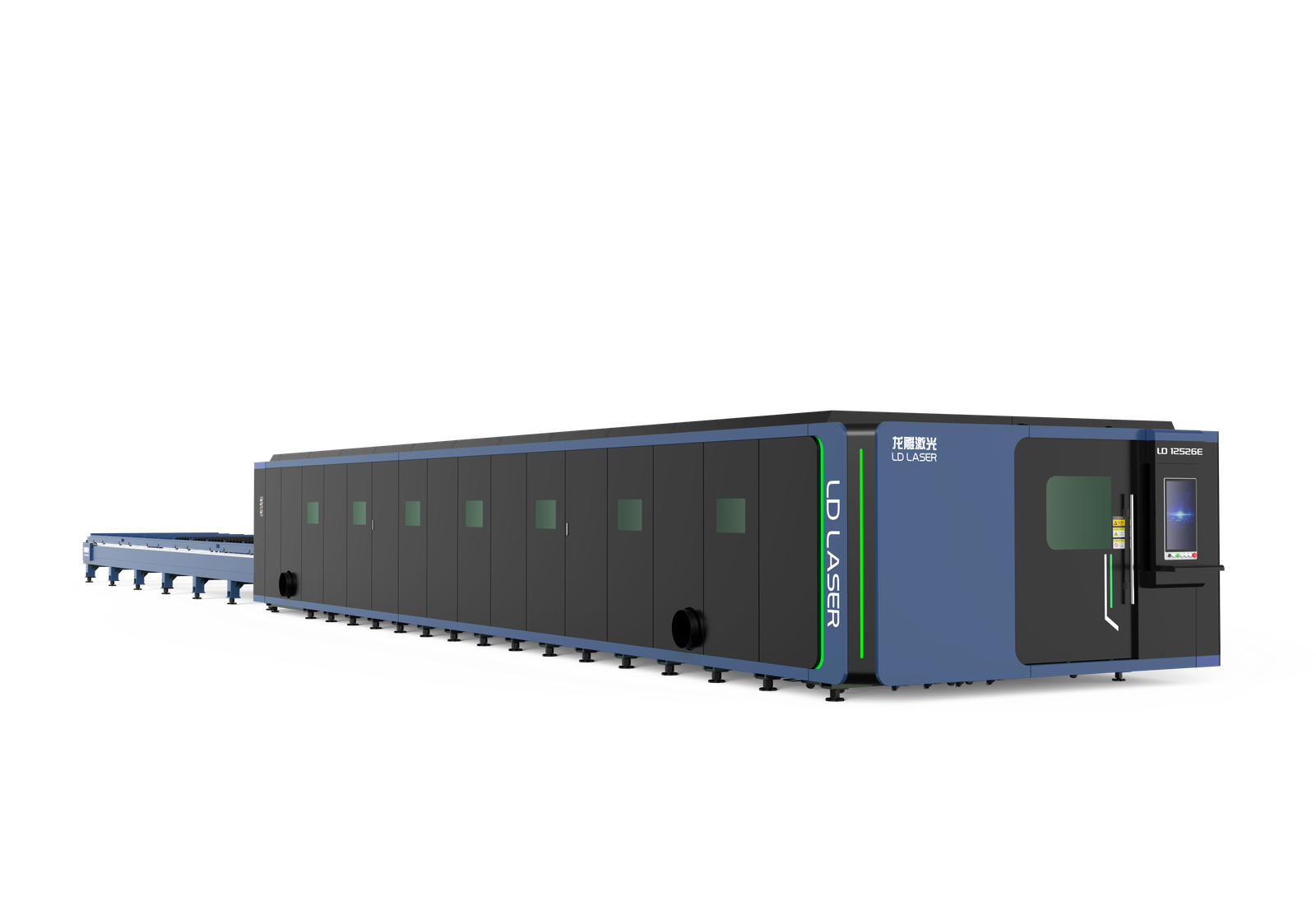
Manufacturing facilities utilizing technologie laserového řezání generate measurable environmental impacts through energy consumption, material waste streams, and atmospheric emissions. Current regulatory frameworks require thorough assessment of these operations against sustainability benchmarks, with compliance standards becoming increasingly stringent across industrial sectors. Recent data indicates significant variance in environmental performance metrics between facilities, suggesting substantial optimization opportunities remain unexplored within existing operational parameters.
Klíčové poznatky
Laser cutting systems achieve below 5% material waste compared to 15-30% from traditional methods through precise narrow kerf widths.
Modern fiber lasers consume 10-50 kW during operation but standby modes reduce energy usage by 60-80% in facilities.
Closed-loop water circulation systems decrease fresh water consumption by 95% while maintaining effective cooling for laser operations.
Advanced filtration systems with HEPA filters achieve 99.97% particle removal efficiency for hazardous airborne contaminants and toxic fumes.
Equipment recycling protocols enable over 85% material recovery while predictive maintenance extends component lifecycles supporting circular economy principles.
Energy Consumption Patterns in Laser Cutting Operations
The optimization of energy consumption in laser cutting operations represents a critical factor in determining both operational costs and environmental impact. Industrial laser systems typically consume between 10-50 kW during active cutting cycles, with fiber lasers demonstrating superior energy efficiency compared to CO2 alternatives. Power consumption varies considerably based on material thickness, cutting speed, and beam quality requirements.
Operational optimization strategies include implementing standby modes during non-cutting periods, which can reduce energy consumption by 60-80%. Advanced power management systems monitor real-time energy usage, enabling precise control of laser output relative to cutting demands. Regulatory frameworks increasingly mandate energy reporting for manufacturing operations exceeding specified consumption thresholds.
Modern laser cutting facilities achieve energy efficiency improvements through integrated cooling systems, optimized beam delivery mechanisms, and automated power scaling. These technological advances typically yield 15-25% reductions in overall energy consumption while maintaining cutting quality standards required by industry specifications.
Material Waste Reduction Through Precision Cutting
Beyond energy efficiency, laser cutting technology delivers substantial material waste reduction through its inherent precision capabilities. Traditional cutting methods typically generate 15-30% material waste, while laser systems achieve waste rates below 5% through computer-controlled precision engineering.
The technology’s narrow kerf width, measuring 0.1-0.5mm depending on material thickness, minimizes material loss during cutting operations. Advanced nesting software improves sheet utilization by calculating ideal part placement, further reducing scrap generation. This systematic approach to waste management directly supports circular economy principles and regulatory compliance with environmental standards.
Laser cutting’s repeatability guarantees consistent dimensional accuracy within ±0.025mm tolerances, eliminating rework cycles that contribute to additional waste streams. The process generates clean cuts requiring minimal secondary finishing, reducing associated material consumption and disposal requirements.
Manufacturing facilities implementing laser cutting report 40-60% reductions in raw material procurement costs while achieving enhanced compliance with waste reduction mandates across industrial sectors.
Air Quality Impact and Emission Control Systems
Laser cutting operations generate hazardous airborne particles and toxic fumes containing metal oxides, organic compounds, and ultrafine particulates that exceed OSHA permissible exposure limits. These emissions pose significant respiratory health risks to operators and contribute to ambient air pollution when released without proper treatment. Advanced filtration systems incorporating HEPA filters, activated carbon adsorption, and electrostatic precipitation technologies achieve 99.97% particle removal efficiency and volatile organic compound reduction rates exceeding 95%.
Harmful Fume Generation
When laser cutting operations vaporize materials, they generate complex mixtures of airborne particulates and gaseous compounds that pose significant occupational health risks and environmental concerns. The thermal decomposition process produces ultrafine particles measuring less than 0.1 micrometers, which penetrate deep into respiratory systems and bypass conventional filtration mechanisms.
| Material Type | Primary Harmful Emissions |
|---|---|
| Mild Steel | Iron oxide, carbon monoxide |
| Stainless Steel | Chromium VI, nickel compounds |
| Aluminum | Aluminum oxide nanoparticles |
| Plastics/Polymers | Volatile organic compounds, dioxins |
| Composites | Fiber fragments, resin vapors |
Effective fume extraction strategies must address both immediate respiratory health implications and long-term environmental contamination. Regulatory compliance requires monitoring emission concentrations, implementing appropriate ventilation systems, and establishing worker exposure limits to mitigate carcinogenic and toxic substance release into workplace atmospheres.
Filtration System Solutions
Advanced filtration technologies form the primary defense against hazardous emissions generated during laser cutting operations. Multi-stage filtration systems integrate pre-filters, HEPA filters, and activated carbon components to capture particulate matter and volatile organic compounds. Modern air purification systems achieve 99.97% efficiency rates for particles exceeding 0.3 microns, meeting OSHA and EPA regulatory standards.
Filtration technology innovations include electrostatic precipitators and wet scrubbing systems that neutralize chemical vapors before atmospheric release. Automated monitoring sensors provide real-time air quality data, enabling predictive maintenance protocols. Advanced systems incorporate variable airflow controls that adjust extraction rates based on material composition and cutting parameters. Regular filter replacement schedules and performance verification guarantee sustained compliance with industrial hygiene standards while minimizing environmental impact throughout manufacturing processes.
Equipment Lifecycle Assessment and End-of-Life Management
Thorough lifecycle assessment of laser cutting equipment requires systematic evaluation of component durability metrics, operational lifespan data, and replacement frequency patterns to determine total environmental impact. Industry-standard recycling protocols for high-value components such as laser diodes, optical elements, and precision mechanical assemblies enable material recovery rates exceeding 85% when properly implemented. Regulatory compliance frameworks mandate specific disposal procedures for hazardous materials including rare earth elements and electronic components, requiring certified waste management partnerships to prevent environmental contamination.
Equipment Durability Assessment
Although laser cutting equipment represents a considerable capital investment for manufacturing operations, the environmental implications extend far beyond initial procurement costs to encompass the entire equipment lifecycle from manufacturing through disposal. Equipment durability assessment requires systematic evaluation of component reliability, operational stress factors, and degradation patterns under varying production conditions. Laser equipment longevity directly correlates with environmental impact reduction through decreased manufacturing frequency and resource consumption. Extensive maintenance practices greatly extend operational lifespan while maintaining performance specifications within regulatory tolerances. Critical assessment parameters include laser source degradation rates, optical component contamination thresholds, mechanical wear patterns, and thermal cycling effects. Predictive maintenance protocols utilizing sensor data analytics enable proactive component replacement, minimizing unexpected failures and optimizing equipment utilization efficiency throughout the operational lifecycle.
Component Recycling Programs
Manufacturing enterprises implementing laser cutting systems must establish structured component recycling programs that align with circular economy principles and regulatory compliance frameworks. These programs optimize component efficiency through systematic recovery of valuable materials including rare earth elements, precision optics, and high-grade metals from decommissioned equipment.
| Component Type | Recovery Rate | Processing Method |
|---|---|---|
| Laser Diodes | 85-92% | Semiconductor reclamation |
| Optical Lenses | 78-84% | Glass reformation protocols |
| Control Electronics | 91-96% | Circuit board extraction |
| Structural Metals | 94-98% | Metallurgical separation |
Advanced recycling innovations enable material stream segregation and quality preservation during disassembly processes. Regulatory frameworks mandate documentation of material flows, establishing traceability systems that support environmental reporting requirements. Successful programs demonstrate measurable reductions in waste generation while recovering strategic materials for manufacturing supply chains.
Disposal Best Practices
Establishing thorough disposal protocols for laser cutting equipment requires systematic lifecycle assessment methodologies that quantify environmental impacts from acquisition through decommissioning phases. Organizations must implement extensive disposal guidelines that address hazardous component separation, including laser diodes containing rare earth elements and optical assemblies with specialized coatings. Regulatory compliance mandates adherence to WEEE directives and local electronic waste regulations governing industrial equipment decommissioning.
Responsible recycling protocols necessitate certified facilities capable of processing complex laser systems while recovering valuable materials such as precision optics, control electronics, and metal framework components. Documentation requirements include material safety data sheets, component inventories, and disposal certificates ensuring regulatory compliance. Strategic partnerships with specialized recyclers maximize material recovery rates while minimizing environmental impact through proper handling of potentially hazardous substances.
Sustainable Material Selection for Laser Processing
When selecting materials for laser processing operations, manufacturers must evaluate both the environmental impact of raw material extraction and the downstream effects of processing byproducts. Sustainable sourcing protocols prioritize biodegradable materials and recycled composites that align with circular economy principles while maintaining processing quality standards.
Material selection criteria must address volatile organic compound emissions during laser cutting. Natural fiber materials and organic textiles generate fewer toxic byproducts compared to synthetic alternatives. Similarly, eco friendly coatings and environmentally friendly paints reduce atmospheric contamination during thermal processing.
| Material Category | Sustainability Rating | Processing Considerations |
|---|---|---|
| Recycled Composites | High | Requires adjusted power settings |
| Natural Fiber Materials | Very High | Lower cutting speeds needed |
| Upcycled Materials | High | Variable density affects precision |
Low impact adhesives facilitate easier material separation for recycling post-processing. Manufacturers implementing these sustainable material selection frameworks demonstrate regulatory compliance while reducing environmental footprint through strategic material choices that support long-term ecological preservation objectives.
Water Usage and Cooling System Efficiency
Water consumption in laser cutting operations represents a significant environmental impact factor, with industrial systems typically requiring 2-15 gallons per minute for cooling applications depending on laser power output. Regulatory frameworks including ISO 14001 and EPA water efficiency standards mandate optimization of cooling system performance through implementation of closed-loop circulation systems that can reduce fresh water consumption by up to 95%. Heat recovery technologies integrated with cooling systems enable capture of thermal energy that would otherwise be discharged as waste, improving overall system efficiency while meeting environmental compliance requirements.
Water Consumption Optimization Methods
How can manufacturers reduce water consumption in laser cutting operations while maintaining peak equipment performance? Water recycling systems represent the most effective approach, enabling facilities to reuse coolant water through filtration and temperature regulation processes. Advanced wastewater treatment technologies remove contaminants and particulates, extending coolant lifecycle by 60-80% compared to single-use systems. Closed-loop cooling circuits minimize freshwater intake while maintaining ideal operating temperatures between 18-22°C. Flow rate optimization reduces consumption by 25-40% through variable-speed pumps and demand-responsive controls. Heat exchangers improve thermal efficiency, reducing cooling requirements. Conductivity monitoring guarantees water quality standards compliance while preventing equipment corrosion. Regular system maintenance prevents leaks that waste processed coolant. These integrated approaches achieve substantial water conservation while preserving laser performance specifications and regulatory compliance requirements.
Closed-Loop Cooling Systems
Advanced closed-loop cooling systems eliminate continuous water discharge by circulating coolant through sealed circuits that maintain optimal laser operating temperatures while minimizing environmental impact. These systems leverage enhanced fluid dynamics to achieve superior thermal efficiency compared to traditional open-loop configurations.
| System Type | Water Usage (L/hr) | Thermal Efficiency (%) |
|---|---|---|
| Open-Loop | 450-800 | 65-75 |
| Closed-Loop | 15-25 | 85-92 |
| Hybrid Systems | 180-300 | 78-85 |
Regulatory compliance improves considerably through reduced wastewater generation and elimination of thermal discharge violations. Heat exchangers within closed-loop systems maintain precise temperature control while enabling heat recovery applications. Filtration components remove contaminants, extending coolant lifespan and reducing replacement frequency. Advanced monitoring systems track fluid dynamics parameters, ensuring optimal performance while meeting EPA discharge standards and supporting sustainable manufacturing practices.
Heat Recovery Technologies
While conventional cooling systems dissipate waste heat into the environment, heat recovery technologies capture and repurpose thermal energy from laser cutting operations to achieve water usage reductions of 35-60% and overall system efficiency improvements exceeding 25%. These systems employ heat exchangers to transfer waste thermal energy to secondary applications including facility heating, preheating process water, or driving absorption chillers. Energy recovery units integrated with laser cooling circuits demonstrate thermal efficiency gains through cascaded heat utilization, where captured thermal energy reduces external heating requirements. Regulatory frameworks increasingly mandate industrial heat recovery implementation, with emissions standards driving adoption. Advanced heat recovery configurations achieve coefficient of performance values exceeding 3.0, while reducing facility carbon footprint by 15-30%. Implementation requires thermal load analysis and system integration planning to optimize energy recovery potential.
Chemical Byproducts and Hazardous Waste Management
Although laser cutting generates considerably fewer chemical byproducts than traditional manufacturing processes, the technique still produces hazardous substances that require systematic management protocols. Metal oxides, particulate matter, and organic vapor compounds constitute the primary waste streams requiring specialized handling procedures.
Effective waste minimization strategies include implementing closed-loop filtration systems that capture 99.7% of airborne particles and installing vapor recovery units for organic compounds. These systems reduce disposal volumes by 85% compared to conventional exhaust methods.
Chemical disposal methods must comply with EPA classifications for metal-bearing waste streams. Oxide particulates containing chromium, nickel, or lead require Category D hazardous waste handling protocols. Facilities typically contract certified disposal companies for quarterly removal services.
Documentation requirements include maintaining Material Safety Data Sheets, waste manifests, and chain-of-custody records for regulatory compliance. Advanced facilities employ real-time monitoring systems that track emission levels and trigger automated containment responses when threshold concentrations exceed 50ppm.
Carbon Footprint Comparison With Traditional Manufacturing Methods
Beyond waste stream management considerations, laser cutting demonstrates measurably lower carbon emissions compared to conventional manufacturing methods across multiple operational metrics. Lifecycle impact assessment studies indicate laser cutting reduces energy consumption by 30-50% versus mechanical cutting processes, primarily through elimination of tool wear replacement cycles and reduced material waste generation.
Traditional manufacturing methods require extensive tooling infrastructure, consuming significant embodied carbon through steel die production and frequent replacement schedules. Laser systems operate with minimal physical tooling, reducing manufacturing-related emissions by approximately 40% per production cycle.
Energy efficiency comparisons reveal laser cutting achieves superior cut-to-energy ratios, particularly in precision applications requiring multiple processing stages in conventional methods. Modern facilities implementing laser cutting often integrate carbon offset initiatives through renewable energy partnerships, further reducing operational emissions.
Regulatory frameworks increasingly recognize laser cutting’s environmental advantages, with EPA assessments confirming reduced greenhouse gas emissions across automotive and aerospace manufacturing sectors compared to stamping and milling operations.
Renewable Energy Integration in Laser Cutting Facilities
As manufacturing facilities increasingly adopt sustainable energy sources, laser cutting operations demonstrate exceptional compatibility with renewable energy systems due to their predictable power consumption patterns and high electrical efficiency ratios.
Solar panel integration enables facilities to offset 60-80% of daytime operational energy requirements, while wind energy utilization provides consistent power during peak demand periods. Modern laser systems consume 15-25 kW per cutting head, making energy demand calculations straightforward for renewable infrastructure sizing.
| Energy Source | Peak Output (kW) | Efficiency Rate | Cost Reduction |
|---|---|---|---|
| Solar Arrays | 500-2000 | 85-92% | 35-45% |
| Wind Turbines | 1500-3000 | 88-94% | 40-55% |
| Grid Hybrid | Variable | 90-95% | 25-35% |
| Battery Storage | 100-800 | 82-89% | 20-30% |
Grid-tied systems with battery storage maintain operational continuity during renewable energy fluctuations. Regulatory frameworks increasingly mandate renewable energy quotas, positioning laser facilities advantageously for compliance and carbon credit generation.
Best Practices for Environmentally Responsible Laser Operations
Building upon renewable energy foundations, environmentally responsible laser operations require systematic implementation of resource enhancement protocols across all operational parameters. Process enhancement strategies encompass beam parameter calibration, cutting speed adjustments, and material thickness considerations to minimize energy consumption per unit processed. Advanced software algorithms calculate effective cutting paths, reducing processing time by 15-25% while maintaining precision tolerances.
Material selection protocols prioritize eco friendly materials including recycled metals, sustainably sourced composites, and biodegradable polymers that eliminate toxic byproduct generation. Operators must implement closed-loop cooling systems, achieving 40-60% reduction in water consumption compared to open-loop configurations. Fume extraction systems require high-efficiency particulate filters meeting ISO 14644 standards for airborne contaminant removal.
Preventive maintenance schedules enhance laser efficiency, extending component lifecycles while reducing replacement frequency. Real-time monitoring systems track energy consumption, material waste percentages, and emission levels, enabling data-driven adjustments that maintain regulatory compliance under environmental protection standards.
Conclusion
Laser cutting serves as a beacon of sustainable manufacturing, demonstrating measurable environmental improvements through 15-25% energy reduction and sub-5% material waste rates. Thorough emission control systems, closed-loop resource management, and strategic renewable energy integration establish laser processing as environmentally superior to conventional cutting methods. Regulatory compliance frameworks and systematic lifecycle assessments validate laser cutting’s role in advancing industrial sustainability objectives while maintaining operational efficiency and precision manufacturing standards.