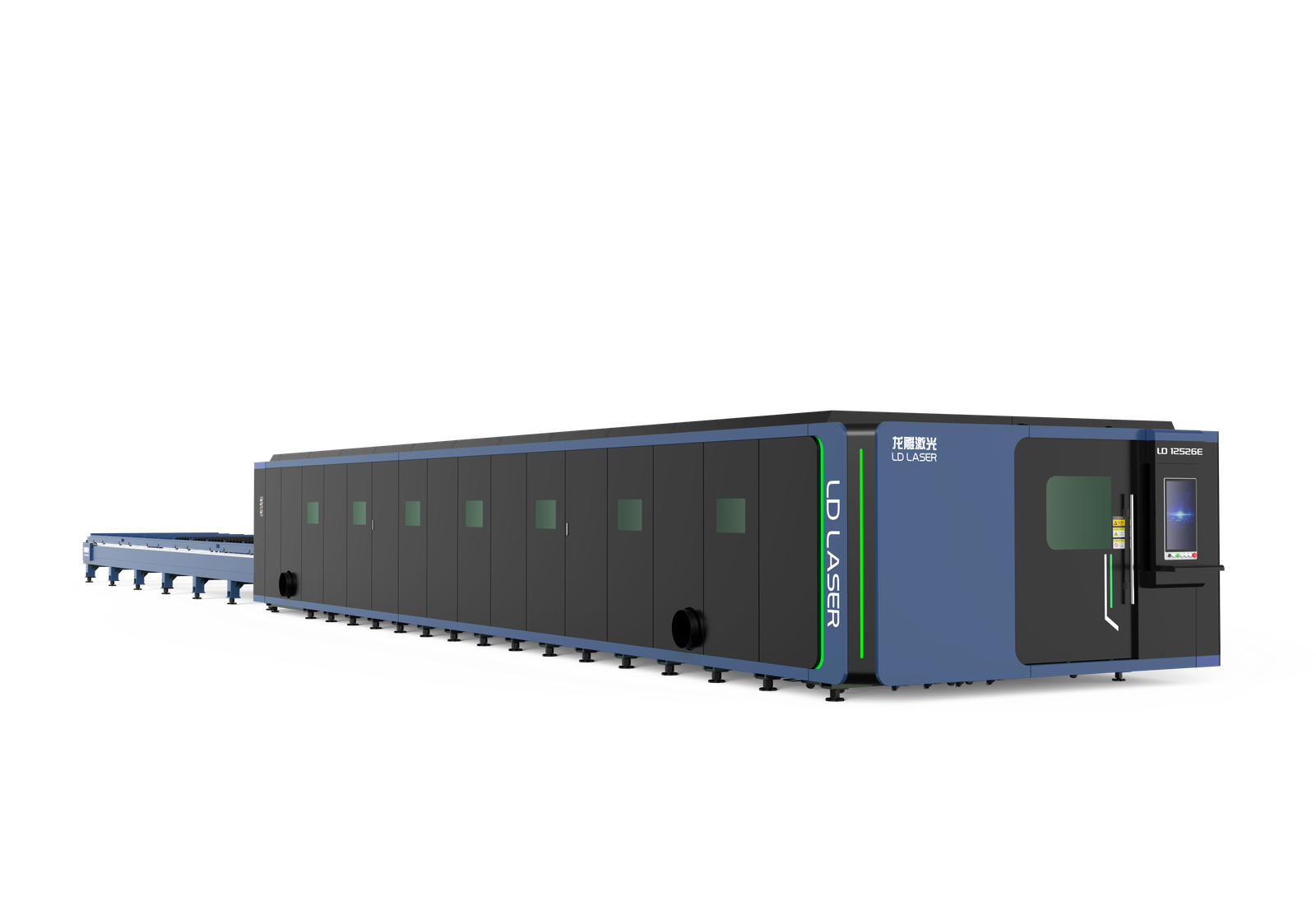
Manufacturing engineers face a critical decision when selecting cutting technologies for precision applications. Laser cutting utilizes focused light beams to achieve thermal separation, while water jet cutting employs high-pressure water streams mixed with abrasive particles for material removal. Each method delivers distinct advantages in speed, material compatibility, and edge quality. The choice between these technologies directly impacts production costs, cycle times, and final part specifications. Understanding their fundamental differences determines project success.
Klíčové poznatky
Laser cutting excels with thin materials (steel up to 25mm) while water jet handles thick materials (steel up to 200mm).
Laser cutting operates faster (500-2000 inches/min) but water jet provides superior precision with ±0.001 inch tolerances.
Water jet cutting preserves material integrity through cold cutting while laser creates heat-affected zones impacting structural properties.
Laser systems cost $300,000-$1,500,000 initially versus water jet’s $200,000-$900,000 but have lower maintenance requirements.
Laser cutting allows intricate patterns and sharp corners while water jet requires edge starts and creates rounded corners.
How Laser Cutting Technology Works
Laser cutting technology harnesses concentrated light beams to precisely slice through materials by converting electrical energy into coherent photons within a laser cavity. The process begins when electrical current excites atoms in the gain medium, causing electrons to release photons at specific wavelengths. These photons bounce between mirrors, amplifying through stimulated emission to achieve peak beam coherence.
The resulting laser beam travels through a carefully engineered optical path, including focusing lenses and beam delivery systems. Computer-controlled mirrors direct the beam to target coordinates with sub-millimeter accuracy. Upon contact, the concentrated energy rapidly heats material to vaporization temperatures, creating a narrow kerf width typically measuring 0.1-0.5mm.
Gas assist systems remove molten debris while preventing oxidation. Power densities reach 106-108 watts per square centimeter, enabling cuts through metals, plastics, ceramics, and composites. Cutting speeds vary from 0.5-30 meters per minute depending on material thickness and laser specifications.
How Water Jet Cutting Technology Works
Water jet cutting technology transforms ordinary water into a precision cutting tool by accelerating liquid through a microscopic orifice at pressures reaching 30,000 to 90,000 pounds per square inch (PSI). The system pumps water through high-pressure tubing to a cutting head containing a jewel orifice, typically made from diamond, ruby, or sapphire, measuring 0.003 to 0.015 inches in diameter.
Two primary variants exist: pure water jet cutting for soft materials like foam, rubber, and food products, and abrasive water jet cutting for harder materials. Abrasive systems introduce garnet particles into the high-velocity water stream after it exits the orifice, creating an erosive cutting medium capable of penetrating metals, ceramics, and composites.
Sophisticated nozzle design guarantees consistent water flow and ideal cutting accuracy. Computer-controlled positioning systems guide the cutting head along programmed paths while maintaining precise standoff distances. This technology achieves tolerances within ±0.001 inches across material thicknesses exceeding twelve inches.
Material Compatibility and Thickness Capabilities
Material selection considerations fundamentally differentiate these two cutting technologies, with each method exhibiting distinct advantages across specific thickness ranges and substrate types.
Laser cutting excels with thin to medium-thickness materials, typically handling steel up to 25mm and aluminum up to 12mm efficiently. The concentrated heat source enables precise cuts in metals, plastics, wood, and ceramics. However, reflective materials like copper and brass present challenges due to beam reflection.
Water jet cutting demonstrates superior versatility across material types, processing virtually any substance including metals, stone, glass, composites, and food products. The cold cutting process eliminates heat-affected zones and material distortion.
Key thickness limits comparison:
- Laser cutting: Steel 25mm maximum, aluminum 12mm ideal performance
- Water jet cutting: Steel 200mm+ capability, titanium 100mm achievable
- Material restrictions: Laser struggles with reflectives; water jet handles all materials
Water jet technology consistently outperforms laser cutting in thick material applications.
Cutting Speed and Production Efficiency
Production efficiency in manufacturing operations depends critically on cutting speed capabilities and throughput enhancement. Laser cutting systems typically achieve speeds of 500-2000 inches per minute on thin materials, while waterjet cutting operates at 50-500 inches per minute depending on material thickness and composition. Quantitative analysis of cycle times, setup requirements, and material-specific processing rates determines ideal production strategies for each cutting technology.
Speed Comparison Analysis
When evaluating manufacturing efficiency, cutting speed emerges as a critical performance metric that directly impacts production throughput and operational costs. Cutting velocity assessment reveals significant disparities between laser and waterjet technologies across material types and thicknesses.
Manufacturing speed analysis demonstrates three key performance differentiators:
- Thin material processing – Laser cutting achieves speeds of 500-2000 inches per minute on materials under 0.5 inches, while waterjet operates at 50-200 inches per minute
- Thick material performance – Waterjet maintains consistent speeds of 10-50 inches per minute on materials exceeding 2 inches, whereas laser speed degrades substantially
- Setup and piercing time – Laser systems require minimal setup with instantaneous piercing, while waterjet demands longer initialization sequences
These velocity variations directly influence production scheduling and cost calculations across different manufacturing scenarios.
Production Rate Factors
Efficiency optimization in manufacturing environments depends on multiple interconnected variables that extend beyond raw cutting velocity to encompass extensive production workflows. Production throughput involves material handling protocols, setup procedures, and system maintenance intervals that greatly impact overall operational capacity.
| Factor | Laser Cutting | Water Jet Cutting |
|---|---|---|
| Setup Time | 2-5 minutes | 8-15 minutes |
| Automation Level | High integration | Moderate integration |
| Maintenance Frequency | Weekly | Bi-weekly |
Automation advancements have revolutionized laser systems through integrated material handling and real-time process monitoring, achieving higher production consistency. Water jet operations require more manual intervention for nozzle adjustments and abrasive management. Industry demand for rapid prototyping favors laser cutting’s quick changeover capabilities, while water jet systems excel in specialized applications requiring superior edge quality despite longer cycle times.
Efficiency Optimization Strategies
Maximizing operational performance requires systematic implementation of cutting parameter adjustments, workflow streamlining techniques, and equipment utilization protocols that directly correlate with measurable productivity gains. Process automation emerges as the primary driver for sustained efficiency improvements across both cutting technologies.
Strategic optimization encompasses three critical areas:
- Parameter calibration – Adjusting cutting speeds, power settings, and traverse rates based on material thickness and composition specifications
- Material selection protocols – Implementing standardized material handling procedures that minimize setup shifts and maximize continuous operation cycles
- Preventive maintenance scheduling – Establishing data-driven maintenance intervals that prevent unplanned downtime while optimizing component longevity
These methodologies enable manufacturers to achieve consistent throughput rates while maintaining quality standards. Systematic monitoring of key performance indicators guarantees continuous improvement and identifies bottlenecks before they impact production schedules.
Precision and Edge Quality Comparison
How do laser cutting and water jet cutting compare when examining their precision capabilities and edge quality outcomes? Laser cutting achieves tolerances of ±0.003 to ±0.005 inches with exceptional edge clarity on materials under 1 inch thick. The focused beam creates minimal heat-affected zones, producing smooth finishes on metals and plastics. However, thicker materials exhibit slight tapering and oxidation marks.
Water jet cutting delivers superior precision accuracy with tolerances reaching ±0.001 to ±0.003 inches across material thicknesses up to 12 inches. The abrasive stream generates virtually perpendicular cuts without thermal distortion. Edge surfaces remain smooth and require minimal post-processing.
Material thickness notably influences performance. Laser cutting excels on thin sheets with rapid processing speeds, while water jet maintains consistent quality regardless of thickness. Surface finish requirements determine ideal selection: laser cutting for speed-critical applications with moderate thickness, water jet for maximum precision and superior edge quality on thick materials.
Heat-Affected Zones and Material Integrity
Zatímco edge quality provides immediate visual assessment of cutting performance, the thermal effects within the material structure reveal deeper implications for component integrity and functionality.
Laser cutting generates significant heat during the process, creating heat-affected zones (HAZ) that extend beyond the cut line. These zones experience metallurgical changes, including altered hardness, grain structure modifications, and potential stress concentration points. The thermal input can compromise cutting accuracy through material expansion and contraction cycles, particularly problematic for precision applications requiring tight tolerances.
Water jet cutting operates through cold cutting mechanics, eliminating thermal stress entirely. This approach preserves original material properties throughout the workpiece, maintaining structural integrity without introducing heat distortion.
Key thermal considerations include:
- HAZ depth – Laser cutting produces 0.1-0.5mm zones versus zero thermal impact from water jet
- Residual stress patterns – Thermal cutting creates internal stresses affecting dimensional stability
- Microstructural changes – Heat exposure alters material hardness and ductility characteristics
These factors directly influence component performance in critical applications.
Operating Costs and Equipment Investment
Operating costs and equipment investment present distinct financial profiles for laser cutting and water jet cutting systems. Initial capital expenditure varies considerably between technologies, with laser systems typically requiring lower upfront investment compared to water jet equipment of comparable cutting capacity. Maintenance expenses, energy consumption patterns, and operational overhead create different total cost of ownership scenarios that influence long-term profitability calculations.
Initial Equipment Costs
Capital expenditure represents one of the most considerable factors when selecting between laser cutting and water jet cutting systems. Initial investment analysis reveals substantial cost differences between these technologies, with laser systems typically requiring $300,000-$1,500,000 while water jet systems range from $200,000-$900,000 for comparable cutting capacities.
Key cost considerations include:
- Laser systems – Higher upfront costs due to complex optical components, precision beam delivery systems, and sophisticated control electronics
- Water jet systems – Lower initial investment but require high-pressure pump infrastructure and cutting head assemblies
- Installation requirements – Facility modifications, power requirements, and safety systems vary considerably between technologies
Equipment financing options greatly impact decision-making, as extended payment terms can offset higher initial costs through improved cash flow management and operational revenue generation.
Ongoing Maintenance Expenses
Beyond initial capital requirements, operational expenditures considerably impact total cost of ownership calculations over equipment lifecycles. Laser cutting systems typically require periodic replacement of consumable components including laser tubes, focusing lenses, and protective windows. Gas-assisted cutting operations demand continuous supply of nitrogen or oxygen, adding recurring expenses. Equipment upkeep involves regular calibration procedures and beam path maintenance.
Water jet cutting systems generate higher maintenance costs through frequent replacement of high-pressure seals, cutting heads, and orifice jewels. Abrasive consumption represents significant ongoing expense, particularly for thick material applications. Pump components endure extreme pressure conditions, necessitating scheduled rebuilds every 500-1000 operating hours. Additionally, water treatment systems require filtration media replacement and disposal of spent abrasive materials, creating additional operational overhead compared to laser systems.
Energy Consumption Rates
Electrical power requirements differ substantially between laser and water jet cutting technologies, directly affecting operational cost structures and facility infrastructure demands. Energy efficiency metrics reveal significant disparities in consumption comparison between these manufacturing processes.
Water jet systems typically consume 30-60 kW during operation, with high-pressure pumps accounting for 85% of total energy usage. Laser cutting systems demonstrate superior energy efficiency, requiring 5-25 kW depending on laser type and material thickness.
Key energy consumption factors include:
- Peak power demand – Water jets require consistent high-pressure pump operation, while lasers modulate power based on cutting requirements
- Idle state consumption – Laser systems consume minimal standby power compared to water jet pressure maintenance
- Cutting speed correlation – Faster laser cutting reduces overall energy per part versus slower water jet processing
Maintenance Requirements and Downtime
Both laser cutting and water jet cutting systems require distinct maintenance protocols that directly impact operational efficiency and production schedules. Laser cutting systems demand regular preventive maintenance on optical components, gas delivery systems, and resonator chambers. Scheduled inspections typically occur every 500-1000 operating hours, with equipment lifecycle averaging 8-12 years for CO2 lasers and 15-20 years for fiber lasers. Parts replacement focuses on lenses, mirrors, and cutting heads, with troubleshooting challenges primarily involving beam alignment and power calibration.
Water jet cutting systems require intensive maintenance on high-pressure pumps, cutting heads, and abrasive delivery mechanisms. Scheduled inspections occur every 200-500 hours due to component wear from ultra-high pressure operation. Equipment lifecycle spans 10-15 years with proper care. Parts replacement includes seals, orifices, and pump components, while troubleshooting challenges involve pressure consistency and abrasive flow regulation. Downtime analysis reveals water jet systems typically experience 15-20% more maintenance-related interruptions than laser systems.
Environmental Impact and Safety Considerations
Environmental impact assessment requires evaluation of emissions profiles and waste stream characteristics for both cutting technologies. Laser cutting generates thermal emissions, metal particulates, and potentially hazardous fumes depending on material composition, while water jet cutting produces contaminated abrasive slurry and wastewater requiring specialized disposal protocols. Workplace safety analysis must address distinct hazard categories including laser radiation exposure, inhalation risks, high-pressure water injection injuries, and noise levels exceeding occupational exposure limits.
Emissions and Waste Generation
Manufacturing processes generate distinct environmental footprints through their emission profiles and waste streams. Laser cutting produces fumes containing metal oxides and volatile organic compounds, requiring ventilation systems for emission reduction. Water jet cutting generates minimal airborne emissions but creates substantial wastewater containing abrasive particles and metal debris.
Key waste generation differences include:
- Laser cutting: Creates heat-affected zones producing oxidized material requiring secondary finishing, plus filter replacements from fume extraction systems
- Water jet cutting: Generates contaminated water slurry requiring filtration and proper disposal of abrasive garnet particles
- Material utilization: Water jet achieves tighter nesting patterns, reducing raw material waste by 15-20% compared to laser cutting
Effective waste management strategies involve recycling metal chips, treating contaminated water, and implementing closed-loop abrasive systems for sustainable operations.
Workplace Safety Hazards
Multiple workplace hazards distinguish laser cutting and water jet cutting operations, each presenting distinct risk profiles requiring specialized safety protocols. Laser cutting generates intense thermal radiation, toxic fumes, and high-voltage electrical hazards necessitating thorough equipment training and laser-specific personal protective equipment including eye protection and respiratory gear. Water jet operations pose high-pressure fluid injection risks, noise exposure exceeding 85 decibels, and ergonomic strain from material handling. Both processes require rigorous risk assessments addressing machine-specific dangers and environmental factors. Effective hazard communication systems must detail process-specific risks, while emergency response procedures must address thermal burns, chemical exposure, and high-pressure injuries. Regular safety audits and operator certification programs minimize incident rates across both cutting technologies.
Design Flexibility and Geometric Limitations
Geometric complexity presents distinct challenges and opportunities for laser cutting and water jet cutting technologies. Laser cutting excels in design adaptability through rapid parameter adjustments and software integration, enabling intricate patterns with sharp corners and fine details. The focused beam produces minimal kerf widths, facilitating complex geometries with tight tolerances.
Water jet cutting offers superior versatility for thick materials but faces limitations in certain geometric configurations:
- Corner radius constraints – Water jet cutting produces slightly rounded internal corners due to beam deflection, while laser cutting achieves sharper 90-degree angles
- Taper considerations – Water jet cuts may exhibit slight angular deviation through thick sections, whereas laser cutting maintains consistent perpendicularity in thinner materials
- Piercing limitations – Water jet requires edge starts for enclosed shapes, while laser cutting can pierce anywhere on the workpiece
Both technologies accommodate complex nesting patterns, though laser cutting demonstrates faster setup times for geometric modifications and prototype iterations.
Industry Applications and Use Cases
The geometric capabilities and material compatibility of laser cutting and water jet cutting directly influence their adoption across diverse industrial sectors. Laser cutting dominates automotive manufacturing and electronics assembly where high-speed processing of thin metals and plastics proves essential. Its precision serves aerospace engineering for lightweight component fabrication and jewelry production requiring intricate detail work.
Water jet cutting excels in architectural design projects involving thick stone and glass, while supporting arts and crafts applications with diverse material requirements. Metal fabrication facilities utilize both technologies depending on thickness specifications and material types.
| Industry Sector | Laser Cutting Applications | Water Jet Applications |
|---|---|---|
| Automotive Manufacturing | Sheet metal components, brackets | Thick armor plating, gaskets |
| Aerospace Engineering | Titanium parts, composite trim | Aluminum structures, ceramics |
| Architecture | Decorative panels, signage | Stone facades, thick glass |
| Electronics Assembly | Circuit boards, enclosures | Heat sinks, thick substrates |
| Industrial Prototyping | Rapid iteration, thin materials | Proof-of-concept, varied materials |
Both technologies serve complementary roles across manufacturing environments.
Choosing the Right Method for Your Project
When selecting between laser cutting and water jet cutting technologies, project requirements must align with each method’s operational characteristics and performance parameters. Material selection serves as the primary determining factor, as laser cutting excels with metals and thin materials while water jet cutting accommodates virtually any material including composites, ceramics, and thick metals.
Cost considerations encompass initial setup, operational expenses, and production volume requirements. Laser cutting typically offers faster processing speeds and lower per-part costs for high-volume production, while water jet cutting provides superior value for complex geometries and specialized materials.
Three critical evaluation criteria include:
- Precision needs – Water jet cutting achieves tighter tolerances (±0.001″) compared to laser cutting (±0.005″)
- Material thickness – Water jet handles materials up to 12 inches thick versus laser’s 1-inch limitation
- Edge quality requirements – Water jet produces smooth, finished edges while laser cutting may require secondary finishing operations
Future Trends and Technological Developments
As manufacturing industries demand increasingly sophisticated cutting solutions, both laser and water jet technologies are experiencing rapid advancement through automation integration, artificial intelligence optimization, and enhanced material processing capabilities.
Automation advancements are revolutionizing both cutting methods through robotic loading systems, real-time quality monitoring, and predictive maintenance algorithms. Laser cutting benefits from fiber laser developments achieving higher power densities and improved beam quality, enabling faster cutting speeds and reduced energy consumption. Water jet systems incorporate advanced pump technologies delivering pressures exceeding 90,000 PSI while maintaining consistent performance.
Materials innovation drives technological evolution as manufacturers process advanced composites, ultra-high-strength steels, and aerospace alloys. Machine learning algorithms optimize cutting parameters dynamically, reducing material waste and improving edge quality. Hybrid systems combining multiple cutting technologies within single platforms are emerging, offering manufacturers unprecedented flexibility. These developments indicate continued convergence toward fully automated, intelligent cutting solutions capable of handling diverse material requirements with minimal human intervention.
Conclusion
Water jet cutting demonstrates superior material versatility, processing over 95% of engineering materials compared to laser cutting‘s 70% compatibility rate. Each technology serves distinct manufacturing requirements: laser systems enhance high-volume production with speeds reaching 2,000 inches per minute, while water jet technology delivers unmatched precision for thick-section cutting without thermal distortion. Selection criteria must evaluate material specifications, thickness requirements, production volumes, and tolerance demands to determine ideal cutting methodology for specific applications.