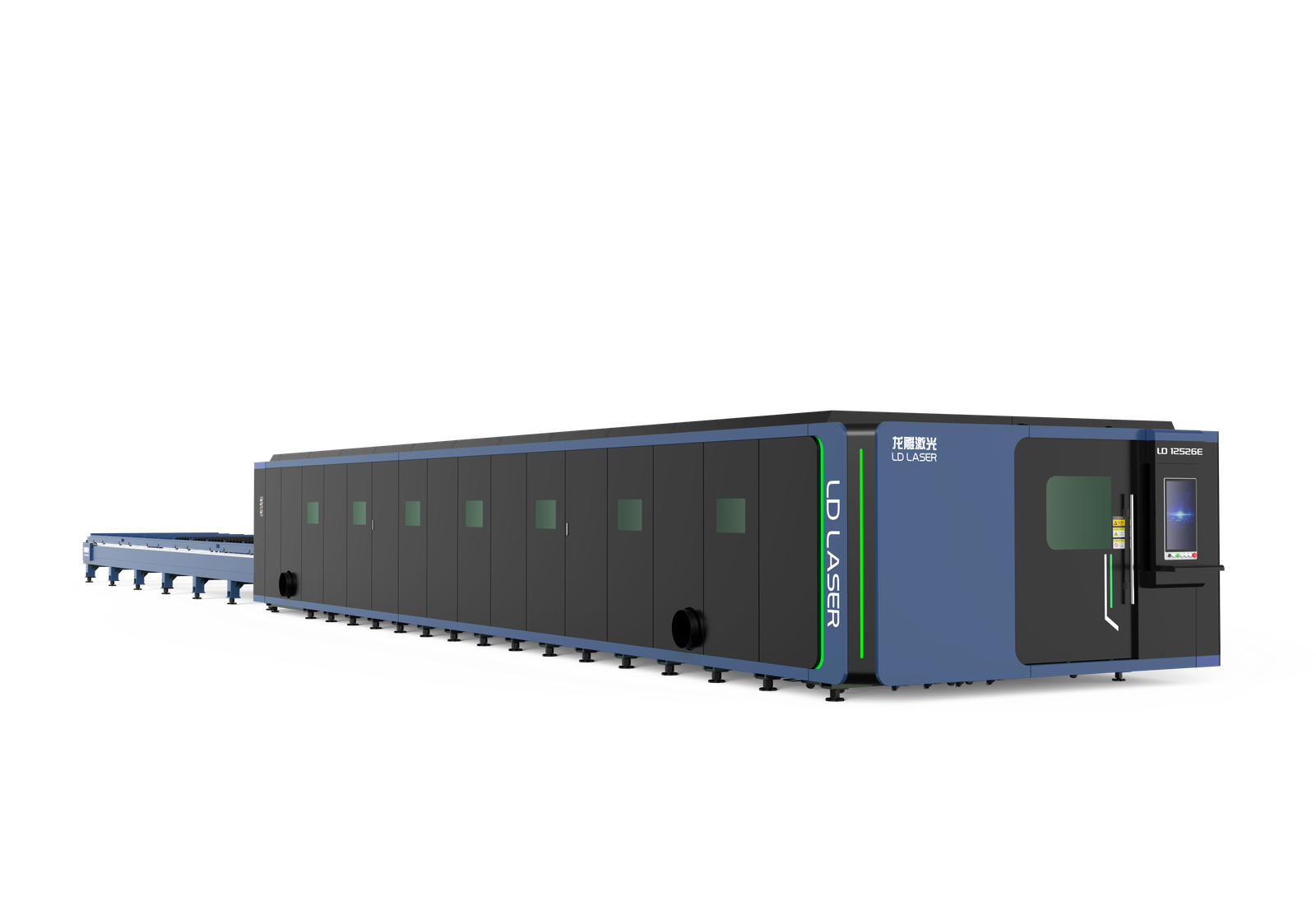
The evolution of quality standards in laser cutting equipment reflects the industry’s commitment to precision, safety, and reliability. Since the 1970s, international certification bodies have established increasingly rigorous requirements for manufacturers and operators. These standards encompass everything from beam containment protocols to material processing specifications. As technology advances and global manufacturing demands intensify, certification requirements continue to adapt, shaping the future of laser cutting operations.
Klíčové poznatky
Initial laser safety standards emerged in 1971 through ANSI, followed by ISO’s comprehensive guidelines in 1978 for global standardization.
ISO 9013 established standardized tolerance zones and quality parameters for thermal cutting processes with four precision levels.
European committees developed EN standards in the 1990s, creating harmonized requirements for laser equipment across the EU.
Modern certification requirements integrate cybersecurity standards, real-time monitoring protocols, and environmental impact considerations.
International bodies like ISO, IEC, and UL collaborate to maintain evolving standards for safety, quality, and equipment performance.
Historical Development of Laser Cutting Standards
The journey of laser cutting standards began in the early 1960s, shortly after the invention of the first working laser by Theodore Maiman. Initially, there were no formal guidelines governing laser cutting equipment, leading to significant standardization challenges in manufacturing processes and safety protocols.
Several historical milestones marked the evolution of these standards. In 1971, the American National Standards Institute (ANSI) introduced the first laser safety standards, followed by the International Organization for Standardization (ISO) developing extensive guidelines in 1978. The 1980s saw the emergence of industry-specific standards for laser cutting in automotive and aerospace applications. By the 1990s, European committees established harmonized standards (EN) for laser equipment, addressing beam quality, mechanical precision, and operational safety requirements.
Key International Certification Bodies
Building upon these historical developments, several prominent international bodies now oversee certification standards for laser cutting equipment. These certification body roles encompass safety protocols, performance benchmarks, and compliance verification across global markets.
- The International Organization for Standardization (ISO) establishes core standards through technical committees dedicated to laser technology and safety requirements
- The International Electrotechnical Commission (IEC) focuses on electrical safety standards and electromagnetic compatibility testing for laser cutting systems
- Underwriters Laboratories (UL) provides third-party certification and testing services, particularly for North American markets
- The European Committee for Standardization (CEN) develops harmonized standards that align with EU directives
These organizations maintain international partnerships to guarantee consistent global standards implementation while adapting to technological advances in laser cutting equipment. Their collaborative framework enables manufacturers to achieve multi-regional certifications efficiently.
ISO 9013 Requirements for Thermal Cutting
ISO 9013 establishes standardized tolerance zones for thermal cutting processes, categorizing cut quality into ranges numbered from 1 to 4, with Range 1 representing the highest precision. The standard defines critical surface quality parameters including perpendicularity tolerance, surface roughness, and edge melting characteristics. These measured parameters determine compliance levels and guide manufacturers in achieving specific quality requirements for laser-cut components.
Tolerance Zones Classification
Precision-based tolerance zones, as defined in ISO 9013, establish standardized classifications for thermal cutting quality levels. These zones reflect specific manufacturing precision requirements and define acceptable tolerance limits for thermal cutting operations.
- Range 1 represents the highest quality level with the tightest tolerances, typically achieved by high-precision laser cutting systems
- Range 2 and 3 indicate intermediate quality levels suitable for general industrial applications
- Range 4 sets baseline requirements for standard production cutting operations
- Range 5 represents minimum acceptable quality for thermal cutting processes
The classification system enables manufacturers to specify and verify exact quality requirements, ensuring consistency across different production facilities. This standardization facilitates clear communication between suppliers and customers regarding expected cut quality levels and helps maintain uniform quality control measures throughout the manufacturing process.
Surface Quality Parameters
Surface quality parameters complement the tolerance zone classifications by providing measurable criteria for evaluating thermal cut surfaces. The ISO 9013 standard defines specific surface finish characteristics that must be measured and documented for quality certification.
| Parameter | Measurement Method | Acceptance Criteria |
|---|---|---|
| Roughness (Rz) | Profilometer | 100 μm |
| Perpendicularity | Digital gauge | ± 0.05 mm |
| Kerf width | Optical measurement | ± 0.2 mm |
| Edge rounding | Radius gauge | 0.1 – 0.5 mm |
| Surface striations | Visual inspection | Even pattern |
Laser cut textures are evaluated using these standardized parameters to guarantee consistent quality across manufacturing processes. The measurements must be taken at specified intervals along the cut edge, with particular attention to the entry and exit points where variations typically occur. Documentation of these parameters enables objective quality assessment and process optimization.
EN 1090 Compliance for Steel Fabrication
When implementing laser cutting processes for steel fabrication, compliance with EN 1090 standards is essential for ensuring structural integrity and safety. The certification requirements encompass thorough quality control measures across steel fabrication processes, addressing specific compliance challenges in laser cutting operations.
- Factory Production Control (FPC) documentation must detail all laser cutting parameters, including beam focus, assist gas pressure, and cutting speed specifications
- Regular calibration and maintenance of laser cutting equipment must be documented and traceable according to EN 1090 requirements
- Thermal cutting processes must maintain specified tolerances for quality levels, with particular attention to edge roughness and perpendicularity
- Material traceability systems must be implemented to track steel components from raw material through finished product stages
Manufacturers must regularly audit their processes to maintain EN 1090 certification, ensuring consistent quality in structural steel components.
Safety Protocols Under IEC 60825
The IEC 60825 standard establishes thorough safety protocols for laser cutting equipment, requiring specific operator protection measures including protective eyewear, skin coverage, and restricted access zones. Emergency shutdown systems must incorporate both manual emergency stops and automated safety triggers that respond to barrier breaches or system malfunctions. Regular interlock verification procedures guarantee that all safety mechanisms, including door sensors, beam containment systems, and ventilation controls, maintain their operational integrity through documented testing and certification.
Operator Protection Requirements
International safety standards outlined in IEC 60825 mandate thorough operator protection measures for laser cutting equipment. These requirements emphasize extensive workplace safety protocols and systematic risk assessment procedures to minimize potential hazards.
Mandatory operator training programs must cover hazard identification, emergency procedures, and proper equipment safety protocols, with regular competency assessments and certification renewals.
Personal safety gear requirements include appropriate eye protection, flame-resistant clothing, and respiratory equipment when working with specific materials.
Workspace design must incorporate operator ergonomics considerations, including proper ventilation systems, emergency shut-off mechanisms, and adequate lighting conditions.
Regular safety audits must document potential risks, investigate instances of operator negligence, and implement corrective measures to maintain compliance with international safety standards.
Emergency Shutdown Systems
Modern laser cutting equipment must incorporate redundant emergency shutdown systems as mandated by IEC 60825 safety protocols. These systems guarantee rapid deactivation of laser operations through multiple independent circuits, enhancing system reliability during critical situations.
| Component | Primary Function | Activation Method |
|---|---|---|
| E-Stop Buttons | Immediate Power Cut | Manual Push |
| Door Interlocks | Beam Termination | Automatic/Mechanical |
| Control Circuit | System Monitoring | Electronic/Software |
Emergency protocols require all shutdown mechanisms to function independently, preventing single-point failures from compromising safety. The system must verify complete laser deactivation before allowing reset procedures. Regular testing of emergency shutdown components is mandatory, with documentation of response times and functionality checks. Equipment certification depends on demonstrating consistent shutdown performance across various operational scenarios.
Interlock Verification Procedures
Thorough interlock verification procedures establish foundational safety protocols required by IEC 60825 standards for laser cutting equipment operation. The systematic implementation of interlock testing protocols guarantees all safety mechanisms function as designed before equipment activation.
- Verification of access panel interlocks through sequential testing of all protective covers and emergency stops
- Documentation of safety mechanism evaluation results, including response times and activation thresholds
- Confirmation of proper integration between mechanical interlocks and control system safety circuits
- Assessment of warning system functionality, including visual indicators and audible alarms
Regular verification cycles maintain system integrity while identifying potential failures before they compromise operator safety. These procedures require detailed documentation, calibrated testing equipment, and qualified personnel to execute the established protocols in compliance with current safety standards.
Material-Specific Quality Parameters
Different materials require specific quality parameters when subjected to laser cutting processes, ensuring advantageous performance and consistent results. Material integrity must be maintained through precise power settings, cutting speed adjustments, and focal length enhancement. These parameters directly influence laser efficiency and final product quality.
For metals, parameters typically include assist gas pressure, nozzle diameter, and power density requirements. Plastics demand lower power settings with controlled pulse frequencies to prevent melting deformation. Wood materials need specific moisture content ranges and specialized ventilation parameters to avoid charring. Each parameter must be documented and regularly calibrated according to international standards, with particular attention to edge quality, kerf width, and surface finish measurements. Quality control systems monitor these parameters in real-time, adjusting variables to maintain favorable cutting conditions.
Measurement and Testing Methods
Testing protocols for laser cutting equipment require thorough measurement procedures to validate both positional accuracy and repeatability. Standard calibration methods incorporate laser interferometry and precision gauge blocks to guarantee conformance with ISO 230-2 requirements for machine tool testing. Regular verification of beam focus, power density, and cutting path accuracy must be performed using certified measurement instruments that meet national metrology standards.
Accuracy Testing Protocols
Establishing reliable accuracy testing protocols requires an extensive set of measurement and testing methods to evaluate laser cutting equipment performance. The implementation of standardized testing methodologies guarantees consistent quality assessment across different manufacturing environments.
- Dimensional accuracy verification through coordinate measuring machines (CMM) with precision of ±0.001mm
- Dynamic positioning tests using laser interferometry to measure motion system accuracy
- Beam quality analysis including power density, focal spot size, and energy distribution
- Repeatability assessment through multiple test cuts on standardized materials
These protocols form the foundation for laser accuracy certification and compliance with international standards. The testing procedures must be conducted under controlled environmental conditions, including stable temperature and humidity levels, to maintain measurement integrity and guarantee reliable results across testing cycles.
Calibration Standards Compliance
Laser cutting equipment must adhere to three primary calibration standards to guarantee measurement accuracy and testing reliability: ISO 11554 for beam parameter measurements, ISO 11146 for beam width determination, and ISO 13694 for power density distribution.
Calibration techniques encompass regular verification of beam characteristics, power output stability, and přesnost polohování using certified measurement devices. Manufacturers implement compliance strategies through documented procedures that include daily baseline testing, quarterly thorough evaluations, and annual third-party certifications. These procedures require calibration against traceable reference standards and maintenance of detailed calibration records.
The standards mandate specific measurement uncertainties: ±2% for power measurements, ±5μm for positioning accuracy, and ±3% for beam parameter products. Equipment failing to meet these thresholds requires immediate recalibration or service intervention to maintain certification status.
Documentation Requirements for Certification
To achieve certification for laser cutting equipment, manufacturers must compile extensive documentation that demonstrates compliance with all applicable quality standards and safety regulations. Documentation best practices require systematic organization of technical specifications, test results, and compliance verification records throughout the certification process steps.
- Complete technical documentation including design specifications, engineering drawings, material selections, and component specifications
- Broad testing protocols and validation reports demonstrating performance metrics, safety features, and operational parameters
- Quality management system documentation showing conformity to ISO 9001 standards and industry-specific requirements
- Maintenance and calibration records, operator training materials, and standard operating procedures that guarantee ongoing compliance
These documents must be maintained, regularly updated, and made available for audit review to maintain valid certification status.
Regional Variations in Quality Standards
While core quality standards for laser cutting equipment share common foundational requirements worldwide, significant variations exist across different geographic regions due to distinct regulatory frameworks, industrial priorities, and market demands. Regional compliance often necessitates manufacturers to adapt their equipment specifications and safety features to meet local requirements, creating standardization challenges across international markets.
| Region | Primary Standards |
|---|---|
| Europe | EN ISO 11553-1 |
| North America | ANSI Z136.1 |
| Asia-Pacific | GB/T 15706 |
| Australia | AS/NZS 2211 |
| Middle East | GSO 1956 |
These variations in standards have led manufacturers to develop modular certification approaches, allowing equipment to be modified according to specific regional requirements while maintaining core operational capabilities and safety features.
Industry-Specific Compliance Guidelines
Industry-specific laser cutting equipment must meet rigorous compliance guidelines, particularly in aerospace applications where tolerances are specified to within microns for critical components. Medical device manufacturing requires adherence to FDA-regulated safety standards, including validated sterilization protocols and biocompatibility requirements for materials processed by laser systems. Manufacturing facilities across industries must maintain thorough documentation of laser cutting processes, including calibration records, maintenance logs, and quality control measurements that demonstrate consistent compliance with industry-specific requirements.
Aerospace Tolerance Requirements
Aerospace tolerance requirements for laser cutting operations demand exceptional precision and adherence to stringent quality control measures. The industry’s specifications for laser accuracy must meet tolerances as tight as ±0.001 inches when processing aerospace materials.
- Component specifications require dimensional stability across varying temperatures, with thermal expansion coefficients carefully monitored during laser cutting processes
- Material certification documentation must accompany all cut parts, ensuring full traceability from raw material through finished components
- Surface finish requirements typically mandate Ra values below 0.8 micrometers, with specialized processes for critical aerodynamic surfaces
- Non-destructive testing protocols must validate the integrity of cut edges, particularly in primary structure components
These requirements align with AS9100 certification standards and incorporate specific Original Equipment Manufacturer (OEM) specifications for different aircraft components and systems.
Medical Device Safety Standards
Medical device manufacturers must adhere to rigorous safety standards when implementing laser cutting equipment in their production processes, with compliance requirements spanning FDA 21 CFR Part 820, ISO 13485, and IEC 60601-1 regulations. These biomedical regulations mandate specific parameters for material selection, surface finish quality, and sterilization compatibility.
Equipment validation protocols require documented evidence that laser cutting systems consistently produce components meeting predetermined specifications for device durability and patient safety. Critical parameters include beam focusing accuracy, cutting edge quality, and material handling cleanliness. Manufacturers must implement process monitoring systems that detect deviations from established parameters and maintain detailed records of equipment calibration, maintenance, and operator training. Regular audits verify ongoing compliance with these standards to guarantee the safety and effectiveness of medical devices produced using laser cutting technology.
Manufacturing Process Documentation
Documentation requirements for laser cutting operations vary greatly across regulated industries, with each sector maintaining distinct protocols for process validation, quality control, and equipment certification. Process improvement initiatives demand thorough documentation that captures operational parameters, calibration records, and quality control metrics.
- Manufacturing facilities must maintain detailed records of equipment specifications, maintenance schedules, and operator training certifications to guarantee compliance with industry standards
- Documentation accuracy requires systematic validation of all process parameters, including beam characteristics, cutting speeds, and material handling procedures
- Quality control departments must implement standardized forms and digital documentation systems to track non-conformances and corrective actions
- Regular audits of documentation processes help identify gaps in record-keeping and guarantee alignment with current regulatory requirements
These documented procedures form the foundation for continuous improvement and regulatory compliance in laser cutting operations.
Environmental Impact Considerations
When evaluating laser cutting equipment standards, environmental impact considerations play a crucial role in ensuring sustainable manufacturing practices. Modern laser cutting systems must comply with strict emissions regulations while implementing sustainability practices throughout their operational lifecycle. These requirements encompass waste reduction, energy efficiency, and proper disposal of cutting byproducts.
| Environmental Factor | Compliance Requirement |
|---|---|
| Air Quality | HEPA filtration systems |
| Energy Consumption | ISO 50001 standards |
| Waste Management | Recyclable material handling |
| Chemical Emissions | VOC limitation protocols |
| Noise Pollution | <85 dB operating levels |
Manufacturers must document their environmental performance through regular audits and maintain certification records. This includes monitoring power consumption, tracking filtered particulate matter, and implementing closed-loop recycling systems for cooling fluids and metal waste materials.
Equipment Maintenance and Calibration Standards
To maintain peak performance and guarantee consistent cutting quality, laser equipment requires strict adherence to standardized maintenance and calibration protocols. Industry specifications mandate extensive preventive measures and routine inspections to ascertain operational reliability.
- Daily calibration checks of beam alignment, focusing optics, and assist gas pressure must be documented and verified against established parameters
- Quarterly maintenance schedules should include thorough cleaning of optical components, verification of cooling systems, and assessment of mechanical alignments
- Annual certification procedures require complete system diagnostics, power output measurements, and beam quality analysis by certified technicians
- Automated monitoring systems must track operating hours, cutting performance metrics, and component wear rates to predict maintenance needs
These standardized procedures ascertain equipment compliance with international quality requirements while maximizing operational efficiency and component longevity.
Quality Control Implementation Strategies
Successful implementation of laser cutting quality control systems requires a strategic, multi-layered approach encompassing both automated monitoring and human oversight protocols. Organizations must establish clear documentation procedures, real-time monitoring systems, and regular quality assessments to maintain consistent production standards.
Process enhancement begins with establishing baseline performance metrics and implementing continuous improvement methodologies. Quality control managers develop audit methodologies that include systematic inspection schedules, statistical process control, and deviation reporting mechanisms. These strategies typically incorporate automated sensor systems for dimensional accuracy, surface finish evaluation, and material integrity verification.
Key implementation components include operator training programs, calibration schedules, and standardized troubleshooting procedures. Regular review cycles confirm that quality control measures evolve with technological advancements and changing industry requirements, maintaining peak performance and compliance with international standards.
Future Trends in Certification Requirements
As manufacturing technologies continue to evolve, certification requirements for laser cutting equipment are projected to undergo significant changes in the coming years. Future certifications will need to address emerging challenges in automated systems, artificial intelligence integration, and advanced safety protocols.
- Integration of cybersecurity standards into equipment certification processes, ensuring protection against digital vulnerabilities and unauthorized access
- Implementation of real-time monitoring requirements for evolving technologies, including remote operation capabilities and cloud-based control systems
- Development of environmental impact certifications focusing on energy efficiency, waste reduction, and sustainable manufacturing practices
- Expansion of safety protocols to address new laser technologies, including ultra-short pulse lasers and hybrid cutting systems
These emerging certification requirements will shape the industry’s approach to quality assurance and regulatory compliance, establishing new benchmarks for equipment manufacturers and operators.
Conclusion
The evolution of laser cutting equipment standards has transformed the industry with a mountain of increasingly rigorous requirements. International certification bodies continue to refine protocols, emphasizing safety, precision, and environmental responsibility. As technology advances, standards adapt to address emerging challenges like cybersecurity and real-time monitoring, ensuring the industry maintains its commitment to excellence while meeting global regulatory demands.