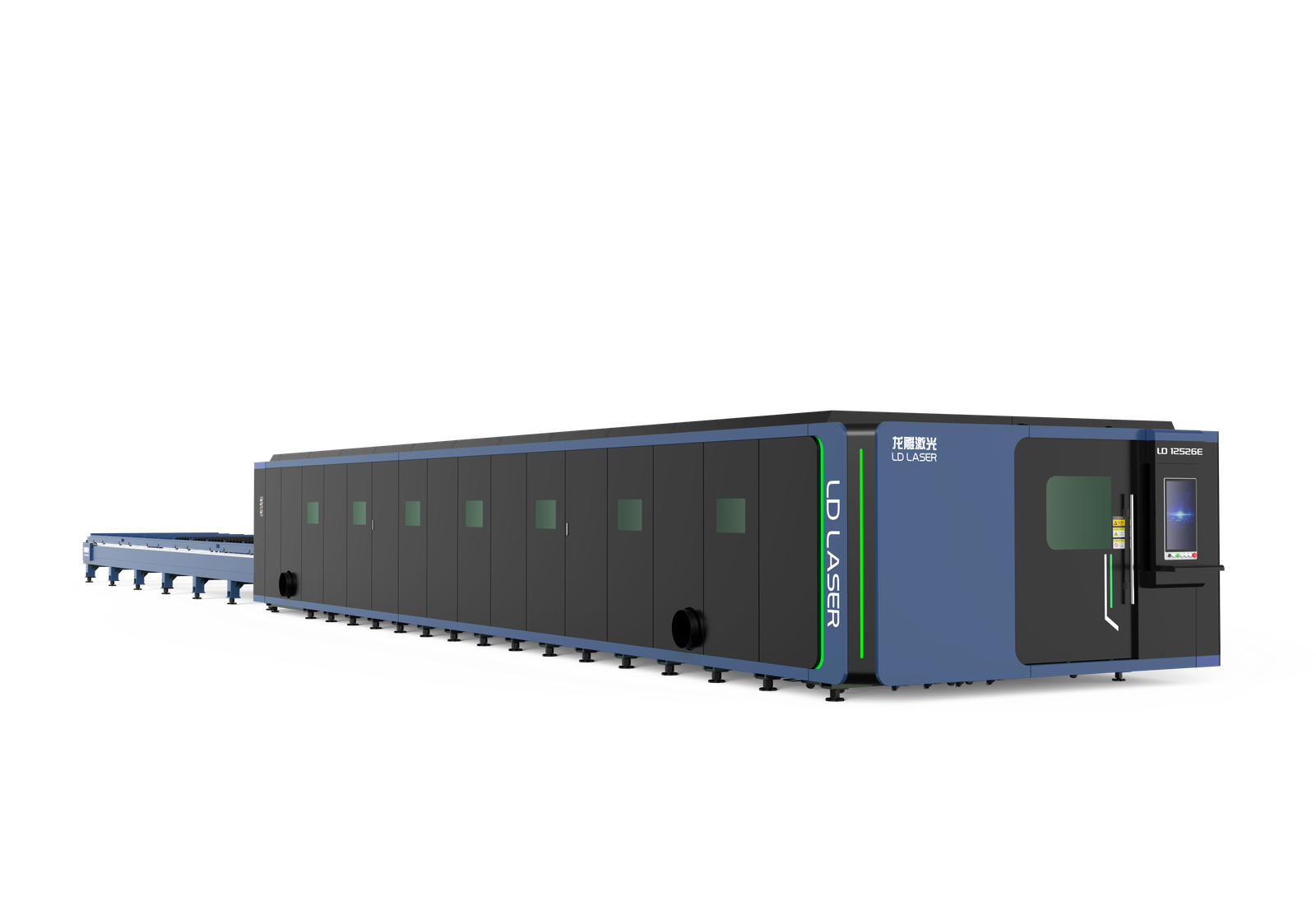
The evolution of laser cutting technology has reached a pivotal milestone with dual-platform systems. These machines address a critical production challenge by eliminating traditional loading downtime über simultaneous processing capabilities. While one platform actively cuts material, operators can safely prepare the next workpiece on the adjacent platform. This architectural innovation transforms conventional bottlenecks into streamlined workflows, setting new standards for manufacturing efficiency. The implications of this advancement extend far beyond basic productivity gains.
Wichtigste Erkenntnisse
Dual-platform systems enable concurrent loading and cutting operations, eliminating machine downtime and maximizing production efficiency.
Independent platforms with automated material handling reduce cycle times by 40-60% compared to single-platform systems.
Synchronized servo motors and linear guides allow separate platform operation while maintaining precise cutting parameters.
Strategic workflow automation coordinates loading sequences between platforms, minimizing bottlenecks and optimizing production flow.
Physical barriers between operators and cutting areas enhance workplace safety while maintaining continuous production capabilities.
Understanding the Dual-Platform Advantage
Die dual-platform configuration in laser cutting machines represents a significant advancement in Fertigungseffizienz durch Ermöglichung simultaneous loading and cutting operations. This innovative design eliminates traditional workflow bottlenecks by dividing the work area into two independent zones, each capable of supporting distinct operations.
The primary dual platform benefits include maximized machine utilization und reduced downtime. While one platform actively processes material through laser cutting, operators can safely load, unload, or prepare materials on the second platform. This simultaneous processing capability effectively transforms previously idle loading periods into productive cutting time. The system’s automated platform exchange mechanism guarantees seamless shifts between operations, maintaining continuous production flow and optimizing overall throughput. Additionally, the separate zones enhance workplace safety by creating a physical barrier between operators and active cutting areas.
Key Components and Design Features
Structural integrity forms the foundation of dual-platform laser cutting systems, which incorporate several essential components working in harmony. The machine base features heavy-duty steel construction with vibration-dampening properties to guarantee precise laser cutting operations. Each platform operates independently through synchronized servo motors and linear guides.
The platform design integrates automated loading mechanisms, safety interlocks, and precision-aligned cutting heads. Critical components include dual beam delivery systems, specialized gas assist nozzles, and independent z-axis controls for maintaining ideal focal lengths. The separated work zones feature programmable positioning systems and integrated material handling capabilities. Advanced control systems monitor both platforms simultaneously, managing beam switching, cutting parameters, and workflow sequencing while maintaining consistent cut quality across both working areas.
Optimizing Production Workflow
Während dual-platform laser cutting machines offer increased capacity, maximizing their efficiency erfordert eine sorgfältige workflow enhancement across both platforms. Operators must implement strategic scheduling protocols that minimize production bottlenecks and maintain continuous material flow. This involves coordinating loading and unloading sequences between platforms while accounting for varying cut times and material specifications.
Workflow automation systems play a vital role in orchestrating these operations, utilizing smart algorithms to improve job queuing and platform allocation. These systems analyze cut patterns, material thickness, and processing requirements to determine the most effective distribution of workload. Überwachung in Echtzeit of both platforms enables dynamic adjustments to maintain peak throughput, while automatisierte Materialflusssysteme guarantee seamless shifts between jobs, reducing idle time and maximizing machine utilization.
Cost-Benefit Analysis and ROI
Investing in dual-platform laser cutting machines requires thorough financial analysis to justify the significant capital expenditure against projected operational benefits. The initial cost premium of dual-platform systems typically ranges from 30-40% higher than single-platform alternatives, necessitating careful ROI calculations.
Key cost savings emerge through reduced labor requirements, minimized machine downtime during material loading, and increased throughput capacity. Investment returns typically materialize within 18-24 months through productivity gains of 40-60% compared to conventional systems. Quantifiable benefits include reduced per-part costs, optimized material utilization, and decreased energy consumption per unit produced. Organizations must factor in maintenance costs, operator training, and potential facility modifications while considering depreciation schedules and tax implications to determine accurate long-term financial impact.
Safety Considerations and Operator Training
Three critical safety domains must be addressed when operating dual-platform laser cutting machines: physical barriers, procedural protocols, and personal protective equipment (PPE). Thorough risk assessment and strict operational guidelines guarantee operator safety during simultaneous processing operations.
| Safety Domain | Training Required | Implementation |
|---|---|---|
| Physical Barriers | Machine Familiarity | Light Curtains, Safety Interlocks |
| Procedural Protocols | Emergency Procedures | Lockout/Tagout, Shutdown Sequence |
| PPE Requirements | Safety Gear Usage | Laser Eyewear, Protective Clothing |
Training protocols must include hands-on training sessions focusing on platform switching procedures, material handling, and emergency response scenarios. Operators must demonstrate proficiency in both routine operations and emergency procedures before receiving certification. Regular refresher courses maintain operational competency and reinforce safety practices, particularly when system upgrades or modifications occur.
Maintenance Best Practices
Building upon established Sicherheitsprotokolle, effective maintenance practices directly impact both operational reliability and workplace safety in dual-platform laser cutting systems. A thorough preventive maintenance schedule guarantees ideal machine performance through regular inspection of optical components, beam delivery systems, and mechanical assemblies. Performance monitoring through integrated diagnostic tools enables early detection of potential issues before they escalate into critical failures.
Daily maintenance tasks include cleaning of optical elements, verification of coolant levels, and inspection of assist gas systems. Weekly checks focus on beam alignment, motion system accuracy, and filter conditions. Monthly procedures encompass detailed evaluation of electrical connections, calibration of positioning systems, and testing of safety interlocks. This systematic approach to maintenance maximizes equipment uptime while preserving cut quality and processing precision.
Industry Applications and Success Stories
Recent advancements in dual-platform laser cutting have transformed automotive manufacturing through precision chassis component production and rapid prototyping capabilities. Medical device manufacturers report significant efficiency gains, with documented cases showing 40% faster production rates for intricate surgical instruments using synchronized dual-platform systems. The aerospace industry has leveraged this technology to achieve stringent tolerances in titanium alloy components, resulting in a 25% reduction in material waste and improved quality control metrics.
Automotive Manufacturing Breakthroughs
Leading automotive manufacturers have revolutionized their production lines by implementing dual-platform laser cutting systems, resulting in significant Effizienzgewinne und cost reductions. Major automakers have achieved up to 40% faster production rates by simultaneously processing vehicle body panels while loading new materials, showcasing remarkable automotive innovation in high-volume manufacturing environments.
These systems demonstrate precision engineering through adaptive cutting parameters that automatically adjust for different material thicknesses and compositions. The technology enables manufacturers to process various components, from intricate dashboard elements to structural reinforcements, with minimal setup time between batches. Notable improvements include reduzierter Materialabfall, enhanced cut quality on complex geometries, and decreased production bottlenecks. The dual-platform configuration has proven particularly valuable in just-in-time manufacturing scenarios, where rapid turnaround is essential.
Medical Device Production Efficiencies
While conventional laser cutting methods once dominated medical device manufacturing, dual-platform systems have transformed production capabilities for Class I, II, and III medical devices. The simultaneous processing enabled by these machines has reduced Produktionszeit for surgical instruments by up to 40%, while maintaining strict FDA compliance standards.
Medical device manufacturers report significant advantages in Prototypentwicklung, with dual-platform systems allowing rapid iterations of device prototypes without interrupting primary production lines. This capability has proven particularly valuable for companies producing precision components for minimally invasive surgical tools. The technology’s ability to maintain consistent tolerances of ±0.001 inches while processing multiple materials has resulted in higher throughput rates and reduced quality control rejections, contributing to more efficient regulatory approval processes.
Aerospace Component Success Cases
Success stories from major aerospace manufacturers demonstrate the transformative impact of dual-platform laser cutting systems on component production. Leading manufacturers have reported 40% increased throughput in titanium airframe components und precision-engineered wing elements using dual-platform configurations. These aerospace innovations have enabled simultaneous processing of multiple components while maintaining strict tolerances of ±0.0005 inches.
Notable implementations include the production of turbine blade components, where dual-platform systems have reduced cycle times by 35% while maintaining required metallurgical properties. The ability to process different material thicknesses simultaneously has proven particularly valuable in spacecraft panel manufacturing, where varying gauges of aluminum alloys require precise cutting parameters. These systems have consistently delivered superior results in high-stakes aerospace applications where precision engineering and production efficiency are paramount.
Schlussfolgerung
Dual-platform laser cutting machines have transformed manufacturing from a stop-and-go circus into a precision ballet of productivity. While traditionalists clutch their single-platform pearls, industry leaders gleefully watch their ROI soar as these mechanical multitaskers slice through production bottlenecks. In the end, those who resist this technological evolution might find themselves precisely cut out of the competitive equation.