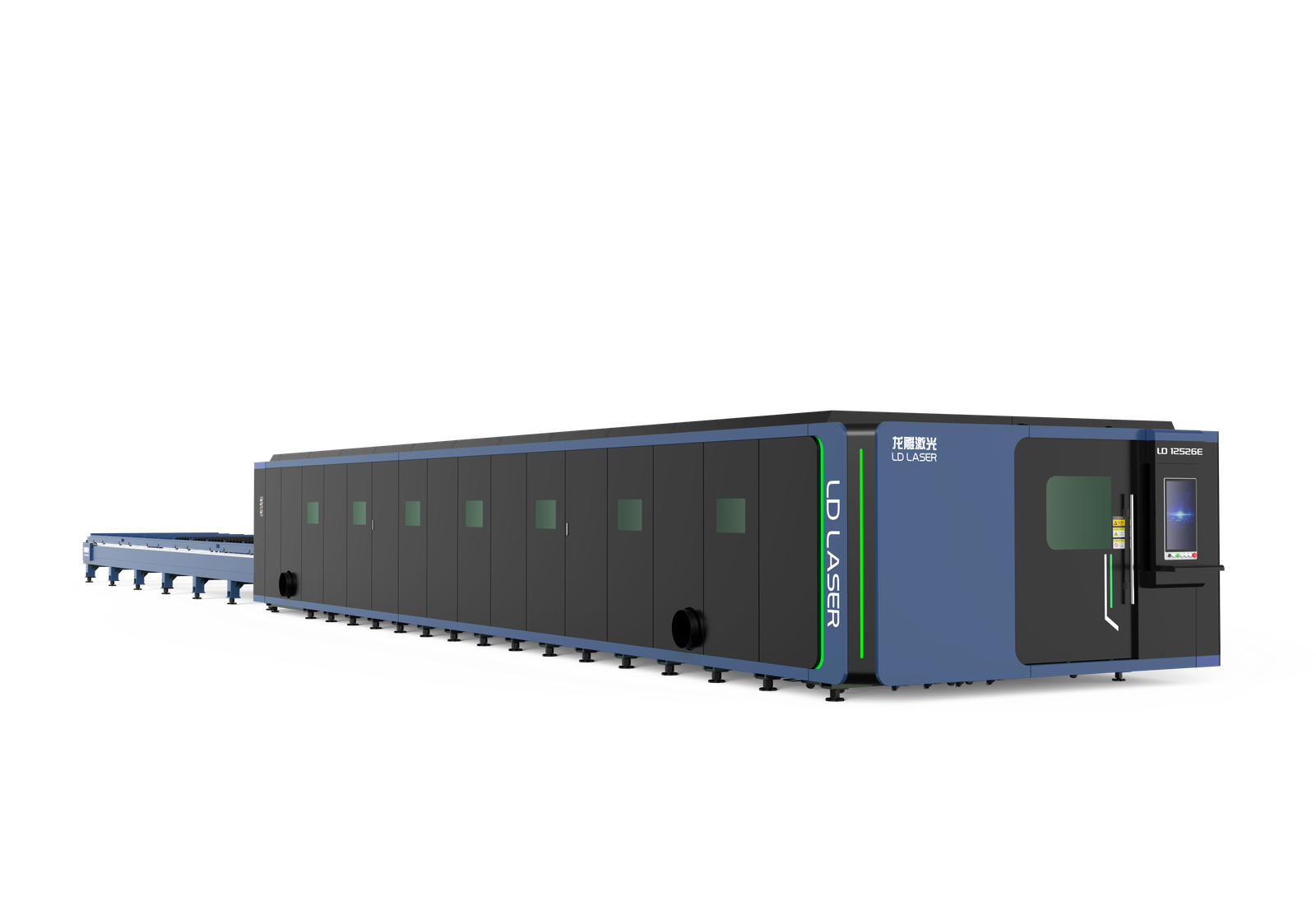
The evolution of laser cutting technology presents a critical decision point for manufacturing operations. Recent advancements in fiber laser systems have challenged the long-standing dominance of CO2 lasers in industrial applications. With reported efficiency gains of up to 300% in thin material processing and operational cost reductions exceeding 70%, the comparative analysis of these technologies demands careful examination. The technical specifications and performance metrics reveal distinct advantages for each system.
Key Takeaways
Fiber lasers are 30-40% energy efficient compared to CO2’s 10-15%, resulting in 70% lower electricity consumption and reduced operating costs.
Fiber lasers cut thin materials up to 3x faster than CO2 lasers, with superior precision of 0.1mm kerf width versus 0.2-0.3mm.
CO2 lasers excel in cutting non-metallic materials like wood and acrylic, while fiber lasers perform better with reflective metals.
Fiber lasers require minimal maintenance (quarterly) compared to CO2 lasers’ monthly requirements, significantly reducing operational downtime.
Fiber laser components last 100,000 operational hours versus CO2’s 30,000-50,000 hours, offering better long-term value despite higher initial costs.
Understanding the Core Technology Differences
The fundamental distinction between fiber and CO2 laser cutting systems lies in their beam generation and delivery methods. CO2 lasers generate their beam through electrical stimulation of a gas mixture, primarily carbon dioxide, while fiber lasers utilize rare-earth elements, typically ytterbium, embedded in optical fibers.
The core technology of these laser types affects their beam characteristics considerably. CO2 lasers produce a beam with a wavelength of 10.6 micrometers, delivered through a series of mirrors and focusing optics. In contrast, fiber lasers emit at wavelengths around 1.06 micrometers, transmitted directly through flexible optical fibers. This difference in wavelength and delivery mechanism results in varying absorption rates across different materials, affecting cutting efficiency and precision. The fiber laser’s shorter wavelength enables superior absorption in metals, while CO2 lasers excel in non-metal applications.
Material Processing Capabilities and Limitations
While both laser technologies offer distinct material processing advantages, fiber lasers demonstrate superior performance when cutting reflective metals like copper, brass, and aluminum due to their shorter wavelength and higher absorption rates. CO2 lasers excel in processing non-metallic materials, including acrylic, wood, and textiles, achieving clean edges with minimal thermal damage.
| Material Type | Fiber Laser Max Thickness | CO2 Laser Max Thickness |
|---|---|---|
| Mild Steel | 25mm | 20mm |
| Stainless Steel | 30mm | 15mm |
| Aluminum | 25mm | 10mm |
| Acrylic | 8mm | 25mm |
Material thickness capabilities vary considerably between the two technologies. Fiber lasers achieve greater cutting depths in metals, particularly in stainless steel applications up to 30mm. CO2 lasers maintain advantages in thicker non-metallic materials, demonstrating ideal performance in acrylic sheets up to 25mm thick.
Operating Costs and Energy Efficiency
Beyond material processing capabilities, operating costs represent a significant differentiator between fiber and CO2 laser systems. Fiber lasers demonstrate superior energy efficiency, typically converting 30-40% of input power into laser energy, while CO2 systems achieve only 10-15% conversion efficiency. This difference directly impacts operating expenses, with fiber lasers consuming approximately 70% less electricity per cutting operation.
The maintenance requirements further widen the cost gap. CO2 systems need regular mirror alignments, gas refills, and beam delivery system maintenance, resulting in higher service intervals and replacement part costs. In contrast, fiber lasers feature solid-state technology with fewer moving components, reducing downtime and maintenance expenses. The service life of fiber laser components typically extends 2-3 times longer than comparable CO2 system parts.
Speed and Precision Performance Metrics
Comparing speed and precision metrics reveals distinct performance advantages between fiber and CO2 laser systems across different material types. Speed comparison data indicates that fiber lasers operate up to three times faster than CO2 lasers when cutting thin materials, particularly in the 1-4mm range for mild steel. However, CO2 systems maintain competitive speeds when processing thicker materials above 6mm.
Precision evaluation shows fiber lasers achieving kerf widths as small as 0.1mm, with positioning accuracy of ±0.02mm. These systems demonstrate superior edge quality on thin metals, producing minimal heat-affected zones. CO2 lasers excel in cutting non-metals and achieve excellent results on thicker materials, though they typically produce wider kerfs of 0.2-0.3mm. Both technologies maintain consistent accuracy through computer-controlled positioning systems, but fiber lasers generally require less frequent calibration.
Maintenance Requirements and System Longevity
Maintenance profiles between fiber and CO2 laser systems reveal significant operational differences. The system durability and service intervals of fiber lasers demonstrate superior longevity, with typical maintenance cycles extending 25% longer than CO2 systems. Regular preventive maintenance requirements vary substantially between these technologies.
- Fiber lasers require minimal optical maintenance due to their sealed beam delivery system, reducing downtime to approximately 2-3 hours per quarter
- CO2 systems demand frequent mirror alignment and gas replenishment, typically requiring 6-8 hours of maintenance monthly
- Component lifespan in fiber systems averages 100,000 operational hours for critical elements, compared to 30,000-50,000 hours in CO2 systems
These maintenance characteristics directly impact operational efficiency and total cost of ownership, with fiber laser systems generally offering reduced service requirements and extended operational lifecycles.
Return on Investment Analysis
The financial implications of maintenance requirements directly influence the return on investment (ROI) calculations for laser cutting systems. When analyzing ROI metrics, fiber laser systems typically demonstrate faster payback periods, with investment timelines ranging from 18-36 months, compared to 36-48 months for CO2 systems. This differential is primarily attributed to lower operational costs and reduced downtime.
Cost forecasting models indicate that fiber lasers maintain a significant advantage in long-term profitability due to their minimal consumable requirements and higher energy efficiency. The initial capital investment for fiber laser technology, though higher, is offset by operational savings of 25-40% annually. These savings accumulate through reduced power consumption, lower maintenance expenses, and increased production capacity, resulting in a more favorable total cost of ownership over the system’s operational lifespan.
Conclusion
Like a precision surgical tool compared to a traditional scalpel, fiber laser technology demonstrates superior performance metrics across key parameters. Quantitative analysis reveals its threefold speed advantage in thin material processing, 70% reduction in energy consumption, and 0.1mm kerf precision. The data conclusively supports fiber laser systems as the best choice for metal cutting applications, delivering measurable advantages in operational efficiency and cost-effectiveness.