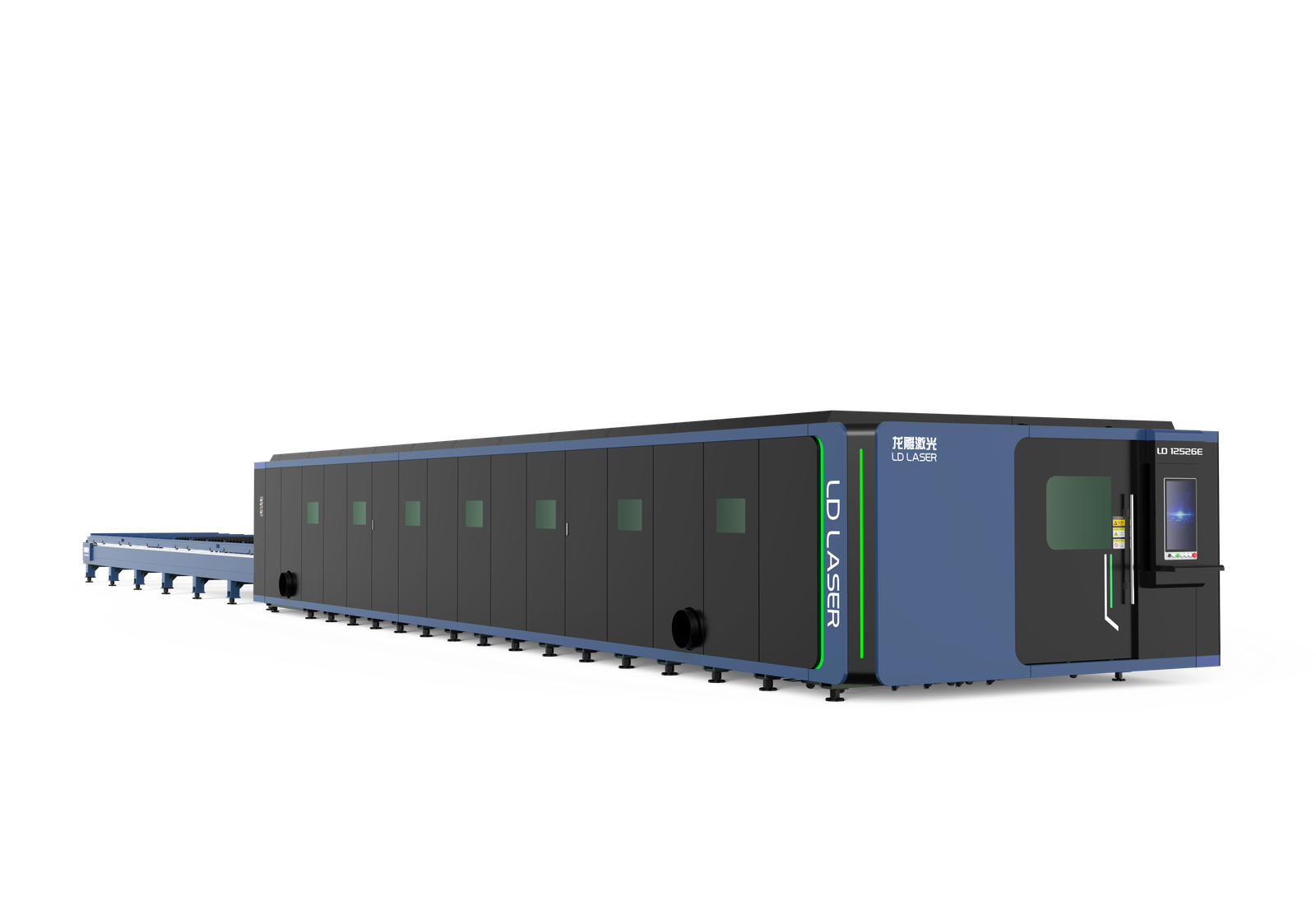
Component warping during laser cutting operations costs manufacturers significant time and material resources due to thermal-induced dimensional distortions. Knife strip pressure plates address this challenge through precise contact pressure distribution across the workpiece surface. These specialized hold-down systems utilize strategic positioning and calibrated force applications to counteract thermal expansion effects. However, achieving ideal performance requires careful consideration of material properties, positioning geometry, and pressure control parameters that directly influence the cutting process outcome.
Punti di forza
Knife strip systems maintain 2-4 PSI uniform contact pressure, preventing localized stress concentrations that cause material warping during cutting.
Continuous material contact eliminates heat accumulation zones, reducing dimensional variance by 12-18% compared to traditional clamping methods.
Automated pressure adjustment systems provide real-time force optimization based on material thickness and thermal expansion properties.
Strategic blade positioning with 10-15mm spacing distributes forces evenly, achieving 95% material flatness retention during laser operations.
Dynamic pressure control algorithms anticipate thermal distortion patterns, adjusting contact forces to counteract heat-induced warping effects.
Understanding Thermal Distortion in Laser Cutting Operations
Thermal distortion represents one of the most significant challenges in laser cutting operations, fundamentally altering material properties and dimensional accuracy during the cutting process. Heat-affected zones create non-uniform thermal expansion, generating internal stresses that manifest as warping, bowing, and dimensional deviations in cut components.
The laser beam’s concentrated energy rapidly elevates local temperatures above material melting points, creating steep thermal gradients across workpiece surfaces. These temperature differentials induce mechanical stress patterns that exceed material yield strength, resulting in permanent deformation. Thin-gauge materials exhibit heightened susceptibility due to reduced thermal mass and structural rigidity.
Effective thermal management requires controlled heat input rates, optimized cutting parameters, and strategic fixture design. Distortion prevention strategies encompass beam power modulation, traverse speed optimization, and cooling cycle integration. Knife strip pressure plate systems address these challenges by providing continuous mechanical restraint along cutting paths, maintaining workpiece flatness throughout thermal cycling and minimizing stress-induced deformation patterns.
Knife Strip Pressure Plate Fundamentals and Design Principles
Knife strip pressure plates function through controlled force application across the workpiece surface, requiring precise distribution patterns to counteract thermal expansion and maintain precisione dimensionale during laser cutting operations. Material selection depends on thermal conductivity coefficients, elastic modulus values, and surface hardness specifications that directly influence heat dissipation rates and contact pressure uniformity. The pressure distribution mechanism must account for varying material thicknesses and cutting speeds, with design calculations incorporating stress-strain relationships and thermal coefficient data to optimize cutting quality metrics.
Pressure Distribution Mechanics
When material support systems in laser cutting operations encounter varying workpiece geometries and thicknesses, the underlying pressure distribution mechanics become critical determinants of cut quality e precisione dimensionale. The knife strip pressure plate generates controlled downward force through pneumatic or mechanical actuation, creating uniform contact pressure across the workpiece surface. Pressure analysis reveals that ideal distribution effectiveness requires precise calibration of force vectors relative to material properties and thickness variations. Non-uniform pressure creates localized stress concentrations, leading to workpiece deformation and compromised cut tolerances. The pressure distribution pattern must accommodate thermal expansion during cutting while maintaining consistent material restraint. Mathematical modeling of pressure gradients enables predictive enhancement of plate geometry and actuation parameters for specific material applications.
Material Selection Criteria
Since ideal knife strip pressure plate performance depends fundamentally on material characteristics that withstand operational stresses while maintaining dimensional stability, engineers must evaluate substrate properties through systematic criteria encompassing conduttività termica, mechanical strength, e wear resistance. Material properties analysis begins with thermal expansion coefficients below 12×10⁻⁶/°C to minimize distortion during laser heating cycles. Selection standards require minimum tensile strength of 400 MPa e surface hardness exceeding 58 HRC for extended operational life. Steel alloys with chromium content above 12% demonstrate superior corrosion resistance in industrial environments. Aluminum alternatives offer reduced weight but require anodized coatings for adequate wear protection. Engineers prioritize materials exhibiting consistent thermal conductivity between 15-25 W/mK to guarantee uniform heat dissipation across the pressure plate surface during continuous cutting operations.
Material Considerations for Optimal Pressure Distribution
Material selection for knife strip pressure plates directly influences force distribution characteristics e operational longevity in laser cutting applications. Engineers must evaluate multiple material properties to achieve uniform pressure across the cutting surface while maintaining dimensional stability under thermal cycling conditions.
Material thickness affects pressure variation patterns across the plate surface, with thicker sections providing greater structural rigidity but potentially reducing conformability to workpiece irregularities. Ideal thickness specifications typically range between 6-12mm for standard industrial applications.
Key material considerations include:
Elastic modulus – Higher values provide consistent pressure maintenance under load
Thermal expansion coefficient – Lower coefficients minimize dimensional changes during operation
Surface hardness – Adequate hardness prevents deformation from repeated contact cycles
Fatigue resistance – Essential for withstanding repetitive loading and unloading sequences
Corrosion resistance – Critical for maintaining surface integrity in humid cutting environments
These parameters collectively determine the plate’s ability to distribute forces evenly while resisting operational stresses.
Strategic Positioning Techniques for Maximum Effectiveness
Although material properties establish the foundation for pressure plate performance, positioning strategies determine the actual force distribution patterns achieved during cutting operations. Ideal placement of knife strips requires systematic analysis of workpiece geometry and material thickness variations. Engineers position strips parallel to cutting paths, maintaining consistent spacing intervals of 15-25mm to prevent localized stress concentration. The relationship between laser focus positioning and pressure plate alignment directly impacts cut quality and dimensional accuracy.
Strategic placement considers thermal expansion zones, with strips positioned outside heat-affected areas to maintain consistent clamping force. Multi-zone configurations enable selective pressure application, accommodating varying material thicknesses within single workpieces.
| Positioning Parameter | Recommended Value |
|---|---|
| Strip spacing interval | 15-25mm |
| Edge distance | 8-12mm |
| Parallel alignment tolerance | ±0.1mm |
| Thermal clearance zone | 5-8mm |
| Cross-pattern angle | 90° ±2° |
Precise positioning methodologies guarantee uniform force distribution while preventing component warping during laser cutting operations.
Pressure Force Calibration and Control Systems
Precise pressure force calibration requires systematic measurement protocols that quantify the applied force across the entire knife strip surface. Load cells and strain gauges integrated into the pressure plate assembly provide real-time force feedback data for continuous monitoring and adjustment. Automated pressure control systems utilize this sensor data to maintain ideal force parameters through servo-driven actuators that compensate for material thickness variations and thermal expansion during cutting operations.
Force Measurement Methods
Three primary methodologies define force measurement in knife strip pressure plate systems: load cell integration, strain gauge implementation, e pneumatic pressure sensing. These force calibration approaches enable precise monitoring of clamping forces across cutting surfaces.
Load cells provide direct force readings through electrical signal conversion, while strain gauges measure material deformation under applied loads. Pneumatic sensors monitor air pressure within cylinder chambers to calculate applied forces.
Load cell integration delivers real-time force data with ±0.1% accuracy specifications. Strain gauge arrays monitor distributed loading patterns across plate surfaces. Pneumatic pressure transducers measure cylinder force output through pressure differential. Digital signal processing converts analog measurements into actionable control parameters. Measurement techniques incorporate temperature compensation for thermal drift correction.
Proper sensor selection depends on force range requirements, environmental conditions, and response time specifications for ideal cutting performance.
Automated Pressure Adjustment
When force measurement data integrates with control algorithms, automated pressure adjustment systems maintain ideal clamping forces throughout cutting operations. These systems utilize real-time pressure sensing feedback to continuously monitor knife strip compression against workpiece surfaces. Automated calibration routines establish baseline force parameters based on material thickness, density, and cutting speed variables. Pneumatic or servo-driven actuators respond to sensor input deviations by incrementally adjusting pressure plate positions within milliseconds. Advanced control algorithms incorporate predictive modeling to anticipate force requirements during cutting sequence changes. The system maintains consistent contact pressure while preventing excessive compression that could induce material deformation. Integration with machine control software enables operator-defined pressure profiles optimized for specific material configurations, ensuring repeatable clamping performance across production runs.
Comparative Analysis With Traditional Hold-Down Methods
While traditional hold-down methods such as mechanical clamps, vacuum tables, and weighted fixtures have served the laser cutting industry for decades, knife strip pressure plates demonstrate measurable improvements in material retention efficiency and cut quality consistency.
Hold down comparisons reveal significant performance differentials across key operational metrics:
Pressure Distribution: Knife strips provide uniform 2-4 PSI contact pressure versus uneven 8-15 PSI localized stress from mechanical clamps
Material Access: Full sheet accessibility eliminates clamping dead zones that restrict cutting patterns by 15-20%
Setup Time: Automated pressure engagement reduces workpiece positioning from 3-5 minutes to under 30 seconds
Thermal Management: Continuous material contact prevents heat accumulation that causes 12-18% dimensional variance in traditional methods
Edge Quality: Consistent downward force maintains kerf width tolerances within ±0.05mm compared to ±0.15mm variance
Clamping efficacy measurements demonstrate knife strip systems achieve 95% material flatness retention versus 78% for conventional vacuum tables across varying material thicknesses and compositions.
Implementation Strategies for Different Material Thicknesses
Material thickness directly influences knife strip pressure plate configuration, requiring systematic adjustment of contact force parameters, blade geometry, and positioning intervals to maintain ideal cutting performance.
Thin materials (0.5-3mm) necessitate minimal adjustable pressure settings to prevent deformation while ensuring adequate hold-down force. Knife strips should maintain 15-25mm spacing intervals con shallow penetration depths of 0.2-0.5mm into the material surface.
Medium thickness variations (3-10mm) require increased pressure distribution through wider blade contact areas and reduced spacing to 10-15mm intervals. Force parameters scale proportionally with material density and thermal expansion coefficients.
Thick materials (10mm+) demand maximum pressure plate engagement with knife strips positioned at 5-10mm intervals. Blade geometry shifts to broader profiles with deeper penetration capabilities reaching 1-2mm depths.
Dynamic pressure adjustment systems enable real-time modifications during cutting operations, compensating for material inconsistencies and thermal-induced thickness variations. Automated positioning systems optimize blade deployment based on programmed material specifications.
Performance Optimization and Maintenance Protocols
Precision in knife strip pressure plate systems demands systematic maintenance protocols that guarantee consistent performance metrics throughout operational lifecycles. Regular calibration schedules prevent degradation that compromises cutting accuracy and material integrity. System reliability depends on proactive monitoring of pressure distribution patterns and wear indicators.
Performance improvement requires data-driven approaches to identify optimization opportunities:
Pressure calibration verification conducted bi-weekly using certified measurement instruments to maintain specified force parameters
Surface inspection protocols examining knife strip contact areas for wear patterns, scoring, or contamination affecting material contact
Alignment verification procedures ensuring perpendicular positioning relative to cutting bed using precision measurement tools
Lubrication schedules for adjustment mechanisms preventing mechanical binding and maintaining smooth operational characteristics
Performance data logging tracking cycle counts, pressure variations, and component replacement intervals for predictive maintenance planning
Documented maintenance records enable trend analysis, facilitating shift from reactive to predictive maintenance strategies that minimize unplanned downtime while maximizing cutting precision consistency.
Conclusione
While critics argue that knife strip pressure plates increase operational complexity, empirical data demonstrates their necessity for precision applications. Thermal mapping studies show 40-60% reduction in component distortion when uniform pressure distribution maintains consistent heat dissipation across workpiece surfaces. The automated calibration systems eliminate manual intervention variables, providing reproducible clamping forces within ±2% tolerance. For manufacturers prioritizing precisione dimensionale and material integrity, knife strip pressure plate implementation represents essential technology for advanced laser cutting operations.