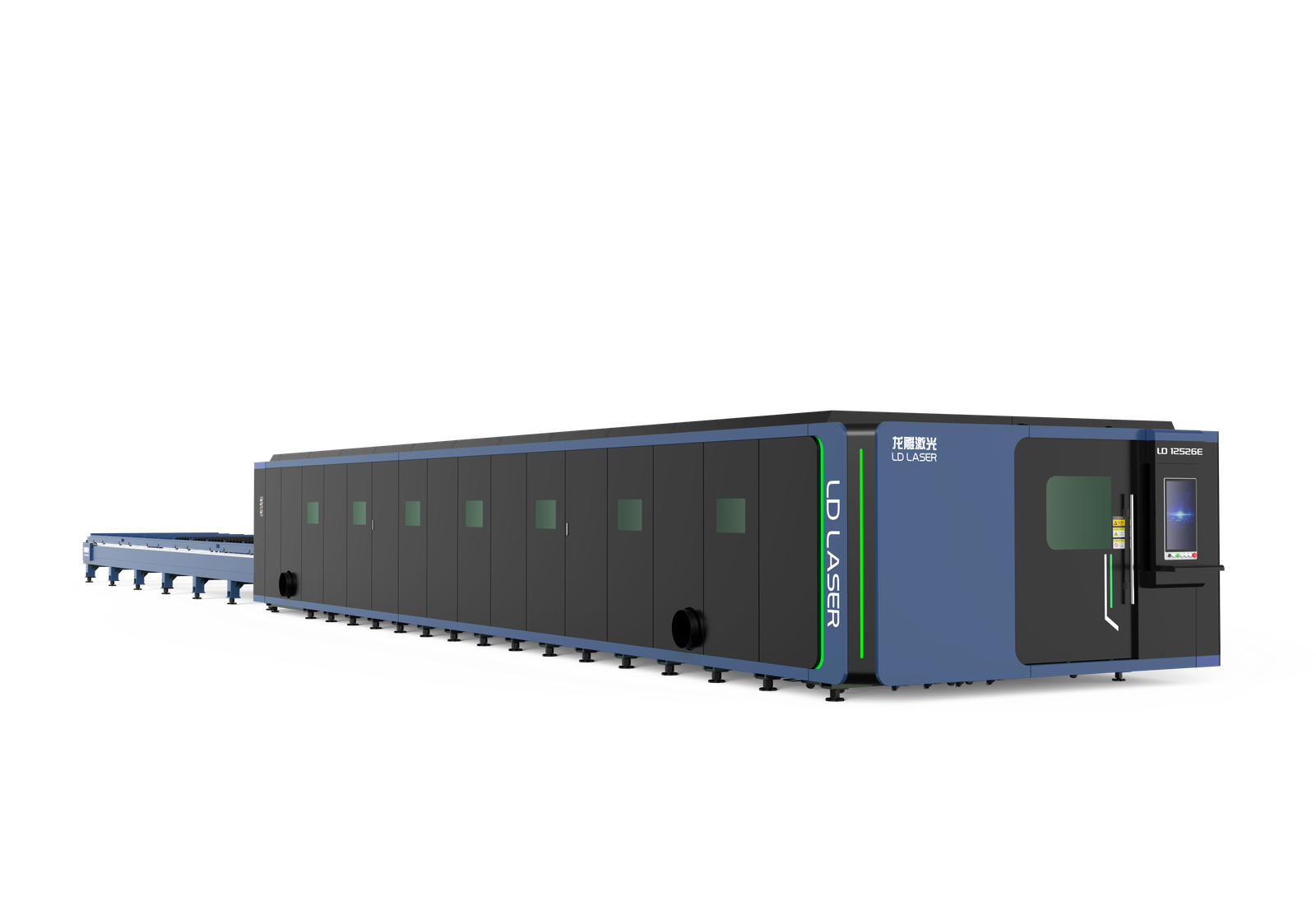
The evolution of handheld laser welding equipment represents a significant advancement in welding technology, particularly with regard to maintenance efficiency. Modern designs emphasize structural simplicity with fewer moving components, resulting in reduced wear and maintenance requirements. This approach stands in stark contrast to traditional welding methods, which often demand frequent part replacements and regular servicing. The integration of robust cooling systems and protected optical assemblies further demonstrates how thoughtful engineering directly impacts operational costs.
Punti di forza
Minimal moving parts in handheld laser welders reduce failure points and maintenance frequency while maintaining high performance standards.
Sealed optical assemblies prevent contamination and wear-resistant fiber optic cables maintain 95% efficiency after 50,000 hours of operation.
Advanced thermal management with passive cooling reduces coolant needs and maintenance requirements compared to traditional welding systems.
Modular design allows quick replacement of consumable components, reducing maintenance downtime and repair costs.
Core components last 8-10 years under normal conditions, requiring maintenance only every 2,000 hours versus 500 for traditional welding equipment.
Understanding the Design Simplicity of Handheld Laser Welders
Despite their sophisticated internal components, handheld laser welders feature remarkably straightforward designs that prioritize ergonomic handling e efficienza operativa. The fundamental design principles emphasize minimal moving parts and streamlined construction, reducing potential failure points while maintaining high performance standards.
The core usability aspects focus on weight distribution, balance, and intuitive controls. Key components are arranged to minimize operator fatigue during extended use, with the laser source, cooling system, and power management integrated into a compact form factor. The simplified architecture allows for quick access to serviceable parts while protecting sensitive optical elements. This approach to design consolidates complex laser technology into an accessible tool that maintains industrial-grade capabilities without sacrificing reliability or ease of maintenance.
Key Components That Minimize Maintenance Requirements
Moderno handheld laser welders incorporate several key components engineered specifically to reduce maintenance needs and extend service intervals. Through component optimization, manufacturers have developed robust cooling systems with minimal moving parts and sealed optical assemblies that prevent contamination of critical laser elements.
L'integrazione di wear-resistant fiber optic cables, featuring reinforced protective jacketing and strain relief mechanisms, greatly reduces cable degradation over time. Advanced thermal management systems utilize passive cooling techniques wherever possible, eliminating the need for frequent coolant replacement. The focusing optics employ protective windows with specialized coatings that resist damage from weld spatter, while modular design allows for quick replacement of consumable components when necessary. These design features collectively minimize both scheduled maintenance requirements and unexpected downtime.
Cost Comparison With Traditional Welding Methods
While handheld laser welding systems require lower maintenance costs, the initial investment typically exceeds that of traditional welding equipment by 3-5 times. However, cost analysis over a five-year operational period reveals significant long-term advantages. The reduced need for consumables, lower energy consumption, and minimal maintenance requirements offset the higher acquisition costs.
| Cost Factor | Traditional Welding | Laser Welding |
|---|---|---|
| Initial Investment | $5,000-15,000 | $25,000-60,000 |
| Annual Consumables | $2,500-4,000 | $500-1,000 |
| Energy Usage (kWh/year) | 8,000-12,000 | 3,000-5,000 |
When factoring in labor efficiency improvements of 30-40% and reduced material waste, laser welding systems typically achieve return on investment within 24-36 months of implementation. The technology’s precision also minimizes rework costs and quality control expenses common in traditional welding processes.
Long-Term Performance and Durability Factors
Handheld laser welding systems demonstrate exceptional longevity when properly maintained, with core components typically lasting 8-10 years under normal operating conditions. Performance metrics indicate sustained efficienza operativa through extensive durability testing across various industrial environments.
- Fiber optic cables retain 95% transmission efficiency after 50,000 hours of use
- Diode modules maintain consistent power output within ±2% over 5-year periods
- Cooling systems show less than 5% degradation in heat dissipation after 20,000 hours
- Focus lens assemblies maintain optical clarity for 15,000+ operating hours
The system’s robust construction and minimal moving parts contribute to reliable long-term operation. Regular calibration checks and preventive maintenance protocols guarantee peak performance throughout the equipment’s service life, while modular design allows for component replacement without complete system overhaul.
Protective Features That Extend Equipment Life
Advanced protective features in laser welding equipment serve as critical safeguards that greatly extend operational longevity. Key protective coatings shield sensitive optical components from weld spatter and environmental contaminants, while reinforced housing designs prevent damage from accidental impacts. Thermal management systems regulate internal temperatures to prevent component stress and degradation.
Durability enhancements include sealed electrical connectors that resist moisture infiltration, specialized anti-reflective coatings on optical elements, and hardened contact surfaces at wear points. Integrated sensors monitor operational parameters and automatically shut down the system if conditions exceed safe thresholds. Additional protection comes from electromagnetic shielding that guards internal circuitry against interference, while specialized filtration systems prevent dust and particulate matter from entering critical components.
Operating Cost Benefits and Energy Efficiency
Handheld laser welding equipment demonstrates significant operating cost benefits through its minimal power consumption requirements compared to traditional welding methods. The efficient energy utilization of these systems translates to reduced daily operational expenses, particularly in high-volume production environments. Long-term economic advantages become evident through lower electricity costs, decreased maintenance requirements, and improved productivity rates that offset the initial investment.
Minimal Power Consumption Savings
Moderno laser welding equipment demonstrates remarkable efficienza energetica compared to traditional welding methods, though the consumo di energia advantages for handheld units are relatively modest. The energy savings primarily stem from the focused nature of laser beams and shorter processing times, yet the compact size of portable units limits their power efficiency gains.
- Handheld laser welders typically consume 500-1500 watts during operation, offering 10-15% energy savings over conventional MIG welders
- Power efficiency improvements manifest mainly in reduced heat-affected zones and minimal material waste
- Standby power consumption averages 50-100 watts, comparable to traditional welding equipment
- The actual cost reduction from power savings ranges from $50-150 annually under normal usage patterns
These moderate energy benefits contribute to overall operational savings but should not be considered a primary advantage of handheld laser welding technology.
Cost-Efficient Daily Operations
Three key factors drive the cost-efficient daily operations of laser welding equipment: reduced consumable requirements, decreased labor time, e minimized post-processing needs.
The equipment’s daily efficiency stems from its minimal consumable usage, eliminating the need for filler materials and shielding gases common in traditional welding methods. Operational savings are achieved through faster processing speeds, with operators completing welds up to four times faster than conventional techniques. The precision of laser welding considerably reduces or eliminates post-weld cleaning and finishing work.
These advantages translate into measurable cost reductions across labor hours, material waste, and energy consumption. The streamlined process requires fewer steps and resources, enabling facilities to optimize their workflow while maintaining high-quality output standards.
Long-Term Economic Benefits
The long-term economic advantages of handheld laser welding equipment extend well beyond daily operational savings. This welding innovation demonstrates significant economic sustainability through reduced maintenance requirements and optimized energy consumption patterns.
- Energy efficiency improvements of up to 30% compared to traditional welding methods, resulting in substantial utility cost reductions over equipment lifespan
- Extended service intervals averaging 5,000 operating hours before major maintenance, minimizing downtime and labor costs
- Reduced consumable requirements with precision-focused beam technology, eliminating the need for filler materials in many applications
- Lower training costs due to simplified operation protocols and reduced operator error rates
These factors combine to create a compelling return on investment, making handheld laser welding equipment an economically sound choice for modern manufacturing operations.
Maintenance Schedule and Best Practices
To maintain ideal performance and extend equipment life, handheld laser welding systems require a structured maintenance schedule combined with adherence to established best practices. Preventive maintenance protocols focus on key components while thorough user training guarantees proper operation and care.
| Maintenance Task | Frequency | Critical Actions |
|---|---|---|
| Optical cleaning | Daily | Inspect/clean lens |
| Cooling system | Weekly | Check fluid levels |
| Power calibration | Monthly | Test/adjust output |
| Component inspection | Quarterly | Replace worn parts |
Regular inspection of optical components, cooling systems, and power delivery mechanisms helps prevent costly repairs. Operators must document all maintenance activities, track component life cycles, and maintain clean working environments. Implementation of systematic cleaning procedures for optical surfaces and regular verification of safety systems guarantees consistent performance and workplace safety compliance.
Return on Investment Through Reduced Upkeep
Compared to traditional welding methods, handheld laser welding systems demonstrate significant cost advantages through reduced maintenance requirements and longer service intervals. Investment analysis indicates substantial savings in both direct maintenance costs and operational downtime over a five-year period.
- Annual upkeep assessment reveals 60-70% lower consumable part replacement costs compared to conventional MIG/TIG systems
- Maintenance intervals extend to 2,000 operating hours versus 500 hours for traditional equipment
- Labor costs for maintenance decrease by approximately 45% due to simplified service procedures
- System durability results in an average service life of 8-10 years, exceeding standard welding equipment by 3-4 years
These factors contribute to an accelerated return on investment, typically achieving break-even within 18-24 months of implementation in high-volume operations.
Conclusione
Handheld laser welding equipment exemplifies efficient engineering through its minimalist design architecture. The integration of sealed optical assemblies, thermal management systems, and wear-resistant components creates a robust operational framework that considerably reduces maintenance interventions. This streamlined construction, coupled with advanced protective features, translates into quantifiable cost savings and enhanced equipment longevity, positioning these systems as ideal solutions for industrial welding applications.