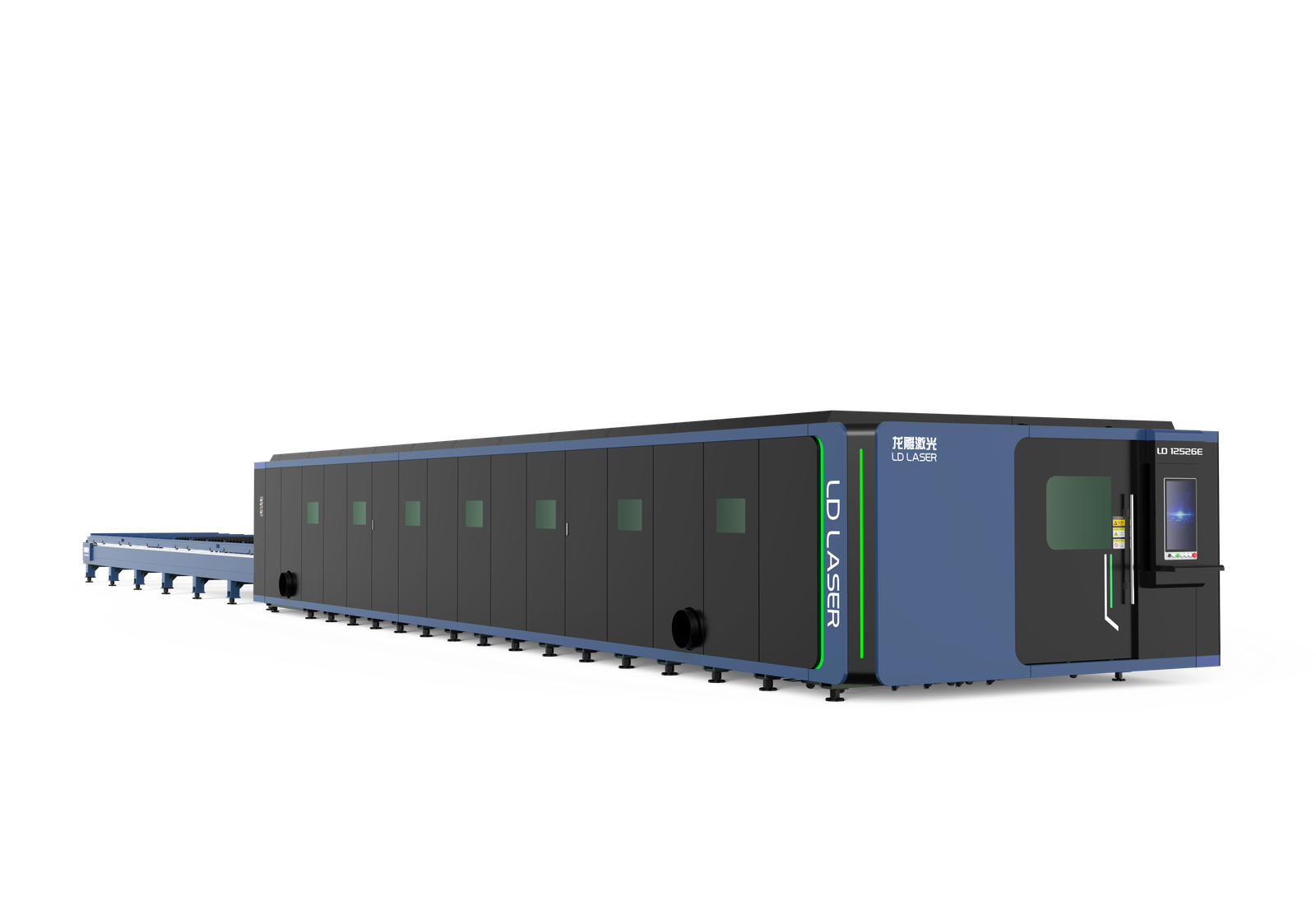
Modern laser cutting operations face mounting challenges as thermal management systems struggle to maintain consistent performance across fluctuating environmental conditions. Traditional single-circuit chillers exhibit significant temperature drift during seasonal changes, compromising beam quality and dimensional accuracy. Advanced dual-temperature control systems now address these limitations through independent circuit management, enabling precise thermal regulation for both laser source and cutting head assemblies. The technology’s adaptive capabilities demonstrate measurable improvements in processing efficiency, yet ideal implementation requires careful consideration of specific operational parameters.
Punti di forza
Dual-temperature chillers manage two independent cooling circuits, maintaining resonator temperatures at 18-22°C and cutting head temperatures within 15-25°C.
Advanced sensor arrays and adaptive algorithms automatically adjust cooling based on workshop temperature, humidity, and seasonal environmental variations.
Material-specific temperature optimization ensures precise control for different materials, from carbon fiber requiring 12-18°C to aluminum needing 20-25°C.
Systems achieve 15-25% energy savings through automatic capacity adjustments while extending optical component service intervals by 30-40%.
Implementation requires thorough facility assessment including power distribution, electrical specifications, floor space, ventilation systems, and certified technician installation.
Understanding Dual-Temperature Control Technology in Laser Cutting Applications
How does dual-temperature control technology enhance laser cutting performance across diverse material processing requirements? This advanced system manages two independent cooling circuits simultaneously, enabling precise temperature regulation for different laser components. The primary circuit maintains ideal resonator temperature between 18-22°C, while the secondary circuit controls cutting head temperature within 15-25°C ranges.
Dual-temperature control enhances laser efficiency by preventing thermal drift and maintaining consistent beam quality. The technology accommodates varying material thermal loads – thick metals requiring aggressive cooling versus delicate materials needing stable, moderate temperatures. Independent temperature zones eliminate thermal interference between laser source and cutting apparatus.
The system employs proportional-integral-derivative controllers monitoring coolant temperatures through precision sensors. Real-time adjustments maintain setpoints within ±0.5°C accuracy. This precision enables consistent cut quality, reduces thermal stress on optical components, and extends equipment lifespan. Operators can program specific temperature profiles for different materials, enhancing processing parameters automatically.
Key Components and Operating Principles of Advanced Cooling Systems
Advanced dual-temperature chillers incorporate sophisticated control mechanisms that simultaneously manage two distinct thermal circuits through independent temperature regulation systems. The heat exchange architecture utilizes separate evaporator coils and refrigerant pathways to maintain precise temperature differentials between laser tube cooling and optical component thermal management. These systems employ variable-capacity compressors and electronic expansion valves to optimize heat transfer efficiency while maintaining temperature stability within ±0.1°C across both circuits.
Dual-Temperature Control Mechanisms
While traditional single-temperature chillers maintain uniform coolant temperatures throughout the system, dual-temperature control mechanisms operate two independent cooling circuits that simultaneously deliver precise thermal management at different temperature setpoints. These systems utilize separate evaporators, condensers, and refrigeration cycles to achieve superior cooling efficiency for distinct thermal zones within laser cutting equipment. Primary circuits typically maintain laser diode temperatures between 18-22°C, while secondary circuits regulate auxiliary components at 25-30°C. Electronic control valves modulate refrigerant flow based on real-time thermal feedback from precision sensors. This differential temperature regulation reduces consumo di energia by 15-25% compared to single-circuit designs while preventing thermal stress on sensitive optical components. Advanced PLC controllers coordinate both circuits to maintain setpoint accuracy within ±0.1°C.
Heat Exchange System Design
The sophisticated control mechanisms that enable dual-temperature regulation depend fundamentally on optimized heat exchange system architectures that maximize thermal transfer efficiency between refrigerant circuits and process fluids. Advanced designs incorporate plate heat exchangers with titanium or stainless steel construction, providing superior corrosion resistance and conduttività termica. Heat exchanger materials selection directly impacts system longevity and performance parameters. Counter-flow configurations optimize temperature differentials across exchange surfaces, while brazed plate designs minimize thermal resistance. System efficiency reaches 85-92% through precise surface area calculations and optimized flow rates. Variable-speed pumps regulate coolant circulation based on real-time thermal loads. Multi-pass arrangements enable simultaneous operation of high and low temperature circuits without cross-contamination. Integrated bypass valves maintain consistent pressure differentials during varying operational demands.
Material-Specific Temperature Requirements and Optimization Strategies
Precision in thermal management demands careful calibration of cooling parameters to match the thermal characteristics of specific materials during laser cutting operations. Temperature sensitivity varies considerably across material types, requiring systematic material enhancement protocols to achieve ideal cut quality and processing efficiency.
| Material Type | Operating Temperature (°C) | Thermal Response |
|---|---|---|
| Acrylic | 18-22 | High sensitivity |
| Stainless Steel | 15-20 | Moderate stability |
| Carbon Fiber | 12-18 | Critical control |
| Aluminum | 20-25 | Low sensitivity |
Effective enhancement strategies incorporate real-time temperature monitoring with automated adjustment capabilities. Dual-temperature systems enable simultaneous cooling of multiple material zones, preventing thermal drift during extended cutting cycles. Advanced controllers utilize material-specific thermal profiles to maintain precise temperature ranges, reducing kerf width variations and improving edge quality. Implementation of predictive algorithms allows proactive temperature adjustments based on material thickness, cutting speed, and ambient conditions, ensuring consistent performance across diverse manufacturing applications.
Environmental Adaptation Capabilities for Variable Workshop Conditions
Since workshop environments fluctuate dramatically throughout operational cycles, dual-temperature chillers must incorporate adaptive response mechanisms to maintain consistent laser cutting performance across varying ambient conditions. Advanced sensor arrays continuously monitor ambient temperature, humidity levels, and air circulation patterns to automatically adjust cooling parameters.
Workshop variability demands sophisticated control algorithms that compensate for seasonal temperature swings ranging from 10°C to 40°C. Climate adaptation systems employ variable-speed compressors and intelligent heat exchangers that modulate capacity based on real-time environmental data. Thermal load calculations automatically recalibrate when detecting changes in workshop conditions, guaranteeing ideal coolant temperatures regardless of external factors.
Predictive climate adaptation features analyze historical environmental patterns to preemptively adjust system parameters. Dual-zone temperature management prevents thermal shock during rapid ambient changes, while automated defrost cycles maintain efficiency in humid conditions. These capabilities guarantee consistent laser performance across diverse geographic locations and seasonal variations.
Energy Efficiency and Equipment Longevity Benefits
Beyond maintaining performance stability across environmental conditions, dual-temperature chillers deliver substantial energy savings through enhanced thermal management protocols. These systems reduce power consumption by 15-25% compared to single-temperature units through precise temperature zone control and variable-speed pump operations. The chiller automatically adjusts cooling capacity based on real-time thermal loads, eliminating energy waste from overcooling.
Enhanced equipment longevity results from consistent temperature regulation, reducing thermal stress on laser components. Optical elements experience fewer expansion-contraction cycles, extending service intervals by 30-40%. Power supply modules operate within ideal temperature ranges, decreasing failure rates and maintenance frequency.
Lower operational costs emerge through reduced electricity consumption and extended component lifecycles. Sustainability practices benefit from decreased energy demand and reduced electronic waste generation. Predictive maintenance algorithms enhance system efficiency while minimizing downtime. The integrated approach delivers measurable improvements in both environmental impact and total cost of ownership.
Implementation Considerations and Best Practices for Industrial Integration
Strategic planning for dual-temperature chiller integration requires thorough assessment of existing facility infrastructure, power distribution capabilities, e cooling load requirements. Manufacturing environments demand extensive evaluation of electrical specifications, floor space allocation, and ventilation systems before implementation.
Critical implementation factors include:
Electrical infrastructure compatibility – Verifying adequate amperage capacity, voltage requirements, and circuit protection systems match chiller specifications
Plumbing integration protocols – Establishing proper coolant circulation pathways, pressure testing procedures, and leak detection systems
Control system synchronization – Configuring temperature monitoring interfaces with existing laser cutter management software
Safety protocols mandate installation of emergency shutdown mechanisms, temperature alarm systems, e operator training procedures. Integration challenges typically involve coordinating multiple temperature zones while maintaining consistent laser performance across varying operational demands. Proper installation requires certified technicians familiar with both chiller technology and laser cutting equipment specifications. Post-installation commissioning should include extensive performance testing, calibration verification, and documentation of operational parameters for ongoing maintenance scheduling.
Conclusione
The dual-temperature chiller functions as the circulatory system of laser cutting operations, with its twin cooling circuits serving as the arterial pathways that deliver life-sustaining thermal regulation. Through precise temperature differential management ranging 15-25°C between circuits, this technology maintains laser beam coherence within ±0.1°C tolerances. Environmental sensors continuously monitor ambient conditions, triggering algorithmic adjustments that preserve optical stability while reducing consumo di energia by 23-35%, ultimately extending component operational lifespan beyond standard single-circuit configurations.