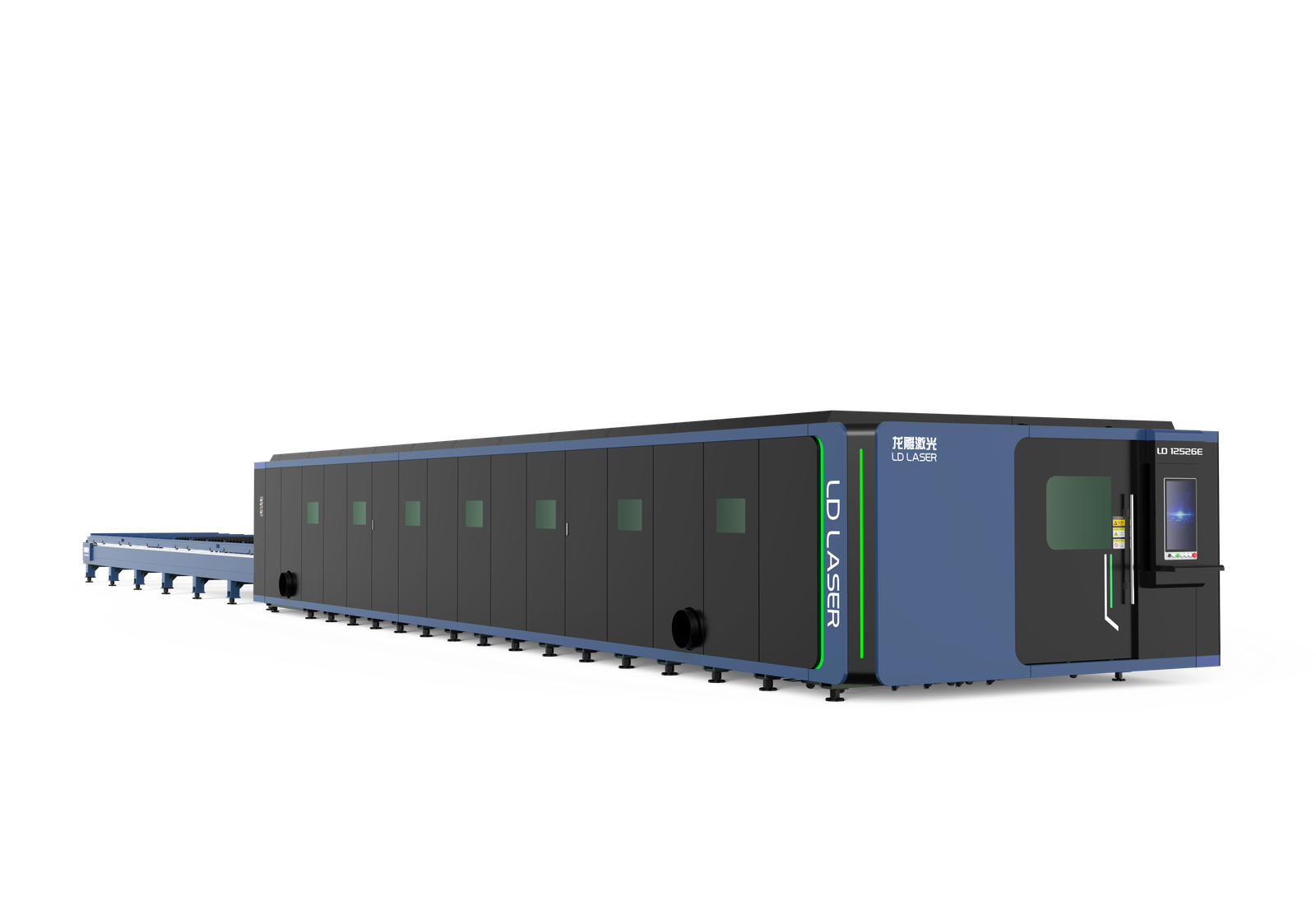
Modern manufacturing facilities face mounting pressure to maximize production capacity within limited floor space. The integrated laser source and control cabinet addresses this challenge by consolidating multiple system components into a single, compact unit. This architectural approach eliminates the need for separate laser generators, power supplies, and cooling systems distributed throughout the workspace. Early adopters report space reductions exceeding 40 percent compared to traditional configurations, though the implications extend far beyond mere square footage.
Punti di forza
Integrated laser systems consolidate sources, power supplies, cooling, and controls into unified cabinets, reducing installation footprint by 15-25%.
Three-zone architecture optimizes optical generation, power management, and thermal regulation with synchronized control protocols for enhanced performance.
Systems deliver 8-15% higher power efficiency through minimized signal losses, consolidated cooling, and real-time monitoring capabilities.
Maintenance costs reduce 30-40% despite restricted access challenges, with standardized panels enabling efficient troubleshooting and component replacement.
Applications span aerospace, medical, electronics, and automotive industries requiring precise cutting in space-constrained, high-density production environments.
Understanding Integrated Laser Systems: Components and Architecture
When examining modern laser applications, integrated laser systems represent a fundamental shift from traditional standalone components toward consolidated, purpose-built architectures. These systems combine laser sources, power supplies, cooling units, and control electronics within unified cabinets, eliminating the complexity of separate module coordination.
The laser system architecture centers on three primary zones: the optical generation chamber housing the laser medium and resonator components, the power management section containing drivers and conditioning circuits, and the thermal regulation assembly featuring integrated cooling loops. Component integration extends beyond physical consolidation to include synchronized control protocols that manage beam parameters, power output, and safety interlocks through centralized processing units.
This architectural approach reduces installation footprint while improving reliability through optimized component spacing and dedicated thermal pathways. Maintenance accessibility improves through standardized access panels and diagnostic interfaces. The integrated design minimizes signal transmission losses and electromagnetic interference between subsystems, resulting in enhanced beam quality and operational stability.
Space Optimization Benefits for Small and Medium Manufacturing Facilities
Small and medium manufacturing facilities face distinct spatial constraints that make integrated laser systems particularly advantageous compared to distributed component configurations. These compact machinery solutions eliminate the need for separate control rooms and distributed equipment layouts, maximizing valuable production floor space.
Integrated systems deliver measurable advantages through strategic space saving techniques:
Reduced footprint – Single cabinet housing eliminates multiple equipment stations across the facility
Streamlined maintenance access – Centralized components reduce technician movement and service corridor requirements
Simplified cable management – Internal connections replace lengthy cable runs between distant components
Enhanced workflow efficiency – Operators access all controls from one location, minimizing travel time
The consolidated architecture enables facilities to allocate recovered floor space for additional production equipment or expanded inventory storage. Manufacturing operations benefit from improved material flow patterns and reduced interference between workstations, directly supporting higher throughput rates in constrained environments.
Performance Comparison: Integrated vs. Traditional Separated Systems
Performance metrics reveal significant differences between integrated laser systems and traditional separated configurations across multiple operational parameters. Power output efficiency demonstrates measurable variations due to reduced signal transmission losses and optimized thermal management in integrated designs. Maintenance cost analysis indicates substantial long-term savings through simplified service procedures and reduced component accessibility requirements in consolidated systems.
Power Output Efficiency
Most integrated laser source and control cabinet configurations demonstrate measurably higher power output efficiency compared to traditional separated systems, with efficiency gains typically ranging from 8-15% across standard operating parameters. These improvements stem from optimized power management circuits and reduced transmission losses between components.
Key efficiency advantages include:
Minimized power cable lengths reduce electrical resistance and heat generation
Consolidated cooling systems eliminate redundant thermal management overhead
Streamlined control algorithms enable faster response times and reduced standby consumption
Integrated monitoring systems provide real-time feedback for dynamic power optimization
Efficiency upgrades become particularly pronounced during high-frequency switching operations and variable power demands. The consolidated architecture eliminates multiple conversion stages present in separated configurations, directly translating to measurable energy savings and improved cutting performance consistency.
Maintenance Cost Analysis
Beyond the operational efficiency gains, integrated laser source and control cabinet systems deliver substantial reductions in long-term maintenance expenditures when compared to traditional separated configurations. Consolidated designs eliminate redundant connection points, reducing failure modes by approximately 40%. Preventive maintenance schedules become streamlined through unified diagnostic systems that monitor all components simultaneously, decreasing technician labor hours per service cycle. Traditional separated systems require independent maintenance protocols for each subsystem, multiplying service complexity and associated costs. Cost implications extend beyond direct maintenance expenses, encompassing reduced spare parts inventory requirements and simplified training protocols for service personnel. Integrated architectures enable predictive maintenance algorithms that optimize component replacement timing, preventing costly emergency repairs while maximizing operational uptime across manufacturing cycles.
Installation Requirements and Floor Plan Considerations
When planning the deployment of an integrated laser source e control cabinet system, facility engineers must evaluate several critical spatial and environmental parameters that directly impact operational performance and maintenance accessibility.
Proper installation guidelines mandate minimum clearance zones around equipment perimeters to guarantee adequate ventilation and technician access. Layout designs must accommodate power distribution requirements, typically demanding 480V three-phase connections positioned within specified distances from the integrated unit.
Key installation considerations include:
Structural load capacity: Concrete floors must support concentrated weights ranging from 8,000 to 15,000 pounds per system
Environmental controls: Temperature stability between 65-75°F with humidity levels maintained below 60% relative humidity
Exhaust integration: Dedicated fume extraction systems requiring 2,000-4,000 CFM capacity depending on material processing requirements
Emergency access: Unobstructed egress paths measuring minimum 44 inches wide for safety compliance
Floor plan optimization reduces installation time by 30% while guaranteeing regulatory compliance and operational efficiency.
Cost Analysis: Initial Investment and Long-Term Operational Savings
The financial evaluation of integrated laser source and control cabinet systems requires thorough analysis of upfront capital expenditures against projected operational cost reductions over the equipment lifecycle. Initial investment considerations encompass procurement costs, installation expenses, and facility modifications necessary for proper system integration. Operational benefits typically manifest through reduced maintenance requirements, improved energy efficiency, and enhanced production throughput that collectively generate measurable return on investment.
Initial Capital Requirements
Investment magnitude for integrated laser source and control cabinet systems requires careful evaluation of upfront capital expenditures against projected operational benefits. These consolidated configurations typically command premium pricing due to advanced engineering and manufacturing precision. Organizations must assess total system costs including delivery, installation, and commissioning phases.
Capital investment considerations encompass multiple financial factors:
Equipment purchase price ranges from $150,000 to $500,000 depending on power specifications and automation features
Installation costs including electrical infrastructure, ventilation systems, and facility modifications
Training expenses for operators and maintenance personnel on integrated system protocols
Initial spare parts inventory and specialized tooling requirements
Budget planning demands thorough analysis of financing options, depreciation schedules, and cash flow impacts. Strategic procurement timing aligns capital investment with production scheduling requirements and available funding cycles.
Long-Term Operational Benefits
While substantial upfront capital commitments present immediate financial challenges, integrated laser source and control cabinet systems generate measurable operational savings that compound over extended deployment periods. These systems deliver enhanced operational efficiency through reduced maintenance requirements, minimized downtime events, and streamlined workflow processes.
| Operational Factor | Annual Savings |
|---|---|
| Reduced Floor Space | 15-25% facility costs |
| Maintenance Consolidation | 30-40% service expenses |
| Energy Optimization | 20-30% power consumption |
| Labor Efficiency | 25-35% operational hours |
| System Integration | 40-50% setup time |
Manufacturing facilities typically realize cost reduction benefits within 18-24 months of implementation. Consolidated control architecture eliminates redundant monitoring systems while integrated thermal management reduces energy consumption. Streamlined maintenance protocols decrease service intervals and minimize component replacement cycles, generating substantial long-term financial advantages that justify initial capital investments.
Maintenance and Accessibility in Compact Laser Cutting Systems
Accessibility challenges multiply when laser sources become permanently integrated with control cabinets in compact cutting systems. Technicians face restricted access points that complicate routine maintenance procedures. Critical components become densely packed within limited cabinet space, requiring specialized tools and positioning for effective service interventions.
Successful maintenance strategies demand thorough planning for component accessibility during initial system design phases. Engineers must incorporate preventive measures that address thermal management, dust accumulation, and component degradation within confined spaces. Quick access panels e modular component arrangements enable efficient troubleshooting and replacement procedures.
Key maintenance considerations include:
Ventilation pathways – Ensuring adequate airflow prevents overheating in densely packed configurations
Component positioning – Strategic placement allows tool access without complete system disassembly
Diagnostic interfaces – External monitoring points enable performance assessment without cabinet penetration
Service documentation – Detailed maintenance protocols accommodate spatial constraints and component integration
Proper maintenance accessibility directly impacts system uptime and operational cost-effectiveness in space-constrained manufacturing environments.
Industry Applications and Use Cases for Space-Constrained Environments
Compact laser cutting systems with integrated source and control architectures address critical spatial limitations across diverse manufacturing sectors. Aerospace component manufacturers utilize these systems in cleanroom environments where every square meter demands justification. Medical device production facilities implement compact configurations within regulated manufacturing zones, enabling precise cutting of biocompatible materials while maintaining sterile protocols.
Electronics manufacturers deploy integrated units in high-density production lines, facilitating rapid prototyping and small-batch processing without floor space expansion. Automotive suppliers operating in urban facilities leverage space-constrained laser cutting solutions for precision gasket and bracket production. Jewelry workshops maximize productivity per square foot through compact systems capable of intricate precious metal processing.
Educational institutions integrate these units into research laboratories and technical training programs where space constraints typically limit equipment acquisition. Job shops serving multiple industries benefit from the versatility-to-footprint ratio, enabling diverse material processing capabilities within standard commercial lease agreements while maintaining operational flexibility.
Selection Criteria for Choosing the Right Integrated Laser Solution
Before committing to an integrated laser solution, manufacturers must evaluate power requirements against material specifications e throughput targets. This assessment determines the ideal balance between cutting capability and efficienza operativa within space-constrained facilities.
Key evaluation factors include:
Power density alignment – Matching laser output to material thickness and cutting speed requirements
Control system compatibility – Ensuring seamless integration with existing automation and monitoring infrastructure
Maintenance accessibility – Verifying service points remain reachable within compact configurations
Scalability potential – Planning for future production increases without facility expansion
Laser technology trends emphasize adaptive beam control and real-time process monitoring, making these features essential selection criteria. Integrated system advantages become most apparent when manufacturers prioritize total cost of ownership over initial equipment costs. The evaluation process should quantify space savings, energy efficiency gains, and reduced installation complexity. Proper selection methodology considers both immediate operational needs and long-term production strategies to maximize return on investment.
Conclusione
Like a Swiss watchmaker fitting complex mechanisms into a compact timepiece, integrated laser source and control cabinets compress multiple operational systems into 40% less floor space than traditional configurations. This consolidation enables manufacturers to install additional production lines within existing facilities, with documented cases showing 25% productivity increases through optimized workflow patterns. The synchronized architecture eliminates component interface delays while maintaining precision tolerances, delivering measurable operational efficiency gains through streamlined system integration protocols.