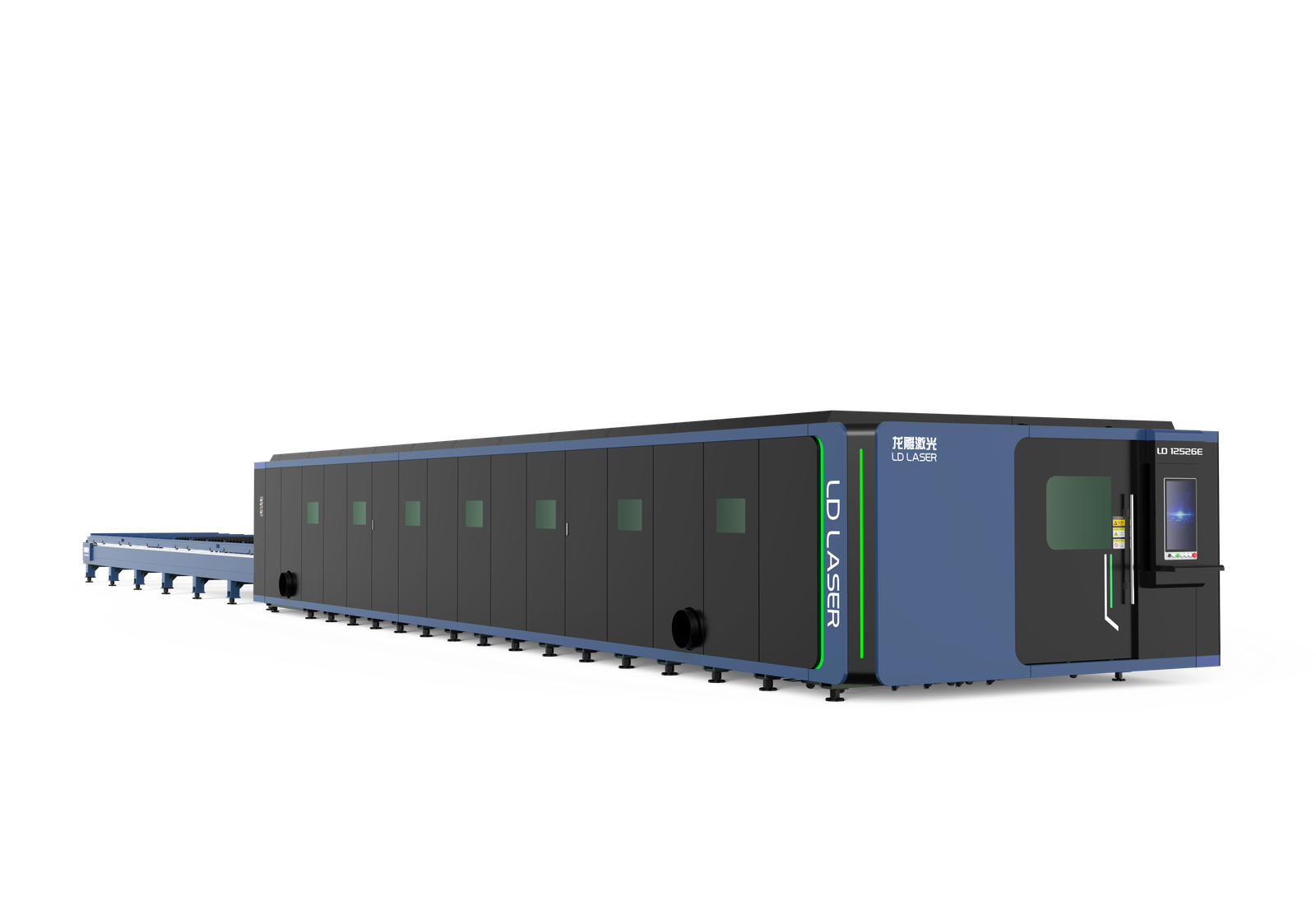
Industrial laser cutting operations present significant safety risks that demand thorough protective measures beyond basic equipment design. Modern manufacturing facilities increasingly rely on sophisticated safety integration systems to mitigate potentially catastrophic incidents involving high-powered laser beams. Door-stop mechanisms and automatic alarm systems represent critical components in multi-layered safety protocols, yet their effectiveness depends entirely on proper implementation and understanding of their operational limitations during emergency scenarios.
주요 내용
Door-stop mechanisms use electromagnetic, pneumatic, or mechanical interlocks to automatically terminate laser operation when enclosure doors open.
Photoelectric sensors provide rapid beam shutdown in under 0.5 seconds upon detecting unauthorized access or safety breaches.
Integrated alarm systems coordinate gas leak detectors, temperature sensors, and interlock monitoring for comprehensive hazard protection.
Fail-safe protocols ensure immediate laser cessation and power isolation when any safety system detects operational anomalies.
Compliance with ANSI Z136.1 and IEC standards mandates redundant safety mechanisms to prevent retinal damage and fire hazards.
Understanding Laser Safety Hazards and Risk Assessment
Laser cutting machines present multiple categories of safety hazards that require systematic identification and quantitative assessment before implementation in industrial environments. Primary risks include direct and reflected laser exposure, which can cause severe retinal damage or skin burns within milliseconds of contact. Secondary hazards encompass toxic fume emission from material processing, fire ignition from concentrated beam energy, and electrical shock from high-voltage power systems.
Risk assessment protocols must evaluate beam classification levels, exposure duration thresholds, and spatial containment effectiveness. Class 4 laser systems demand thorough barrier analysis and personnel training verification. Safety protocols require documentation of maximum permissible exposure limits, emergency shutdown procedures, and protective equipment specifications.
Compliance frameworks mandate regular calibration of safety interlocks, beam path verification, and environmental monitoring systems. Quantitative risk matrices should address probability-severity calculations for each identified hazard category, establishing baseline safety performance metrics for ongoing operational oversight and regulatory adherence.
Door-Stop Mechanisms: Design and Operational Principles
Physical containment systems form the cornerstone of laser safety implementation, with door-stop mechanisms serving as primary protective barriers that prevent unauthorized beam exposure during operational cycles. These mechanisms utilize electromagnetic, pneumatic, or mechanical interlocks that automatically terminate laser operation when enclosure doors are opened. Door stop functionality integrates fail-safe protocols guaranteeing immediate beam cessation upon breach detection, meeting stringent safety standards including ANSI Z136.1 and IEC 60825-4 compliance requirements.
Mechanical safety architectures typically employ redundant sensor arrays, magnetic reed switches, or optical position detectors that monitor door status continuously. The interlock circuit maintains normally-closed configurations, requiring deliberate reset procedures following any safety activation. Override capabilities remain restricted to qualified personnel through key-controlled bypass systems. Emergency stop integration ensures instantaneous shutdown regardless of operational status. Modern implementations feature diagnostic capabilities that identify interlock failures, preventing compromised safety conditions while maintaining operational reliability standards essential for industrial laser applications.
Automatic Alarm Systems: Detection and Response Technologies
Multiple detection technologies comprise the foundation of automatic alarm systems, providing real-time monitoring capabilities that identify hazardous conditions and initiate appropriate response protocols within laser cutting environments. These sensor technologies continuously assess operational parameters including beam alignment, enclosure integrity, and atmospheric conditions to guarantee compliance with safety standards.
| Detection Type | Response Mechanism | Activation Time | Compliance Standard |
|---|---|---|---|
| Photoelectric Sensors | Immediate beam shutdown | <0.5 seconds | IEC 60825-1 |
| Gas Leak Detectors | Ventilation activation + alarm | 1-3 seconds | OSHA 29 CFR 1910 |
| Interlock Monitoring | Power isolation circuit | <0.3 seconds | EN ISO 11553-1 |
| Temperature Sensors | Coolant system engagement | 2-5 seconds | ANSI Z136.1 |
Response mechanisms integrate multiple layers of protection, guaranteeing redundant safety coverage. Emergency stop circuits maintain fail-safe operation through hardwired connections that bypass software controls, preventing single-point failures that could compromise worker safety during hazardous events.
Integrated Safety Protocols and Emergency Procedures
Thorough integration of safety protocols establishes a systematic framework that coordinates detection systems, human factors, and emergency response procedures to maintain operational continuity while protecting personnel from laser-related hazards.
Comprehensive safety protocols require standardized operating procedures that define specific responses to alarm triggers, system malfunctions, and power failures. These protocols must specify personnel roles during emergencies, evacuation routes, and equipment shutdown sequences. Safety training programs guarantee operators understand protocol implementation, hazard recognition, and proper use of personal protective equipment. Regular emergency drills validate protocol effectiveness and identify procedural gaps requiring correction.
Emergency procedures encompass immediate laser deactivation protocols, containment of fire or toxic fume incidents, and coordination with external emergency services. Documentation requirements mandate incident reporting, safety audit trails, and regulatory compliance verification. Integration effectiveness depends on clear communication channels, automated safety interlocks, and continuous monitoring systems that provide real-time status updates during normal operations and emergency conditions.
Regulatory Compliance and Industry Standards for Laser Equipment
Compliance frameworks for laser cutting equipment establish mandatory safety requirements through international standards, national regulations, and industry-specific guidelines that govern equipment design, installation, and operational practices. Primary regulatory bodies including OSHA, FDA, and international organizations such as IEC enforce stringent compliance guidelines that mandate specific safety features, including interlock systems, beam containment measures, and emergency shutdown protocols.
ISO 11553 series standards define thorough safety requirements for laser processing machines, specifying protective housing specifications, control system redundancy, and operator protection measures. ANSI Z136.1 establishes laser safety protocols covering classification systems, hazard evaluation procedures, and administrative controls. European CE marking requirements under the Machinery Directive 2006/42/EC mandate risk assessment documentation and conformity declarations.
Non-compliance results in significant operational risks, including equipment shutdown orders, substantial financial penalties, and potential liability exposure. Manufacturing facilities must maintain current certification documentation, conduct regular compliance audits, and implement continuous monitoring systems to guarantee adherence to evolving regulatory requirements and emerging safety standards.
결론
Modern laser cutting safety systems function as multilayered shields, with door-stop mechanisms serving as primary gatekeepers and automatic alarm systems as vigilant sentinels. These interconnected barriers form an impenetrable fortress against operational hazards, where electromagnetic interlocks act as digital locks and photoelectric sensors stand as electronic watchdogs. Compliance frameworks provide the architectural blueprint for risk mitigation, ensuring that safety integration transforms potentially dangerous laser environments into controlled, regulation-compliant industrial fortresses protecting human assets.