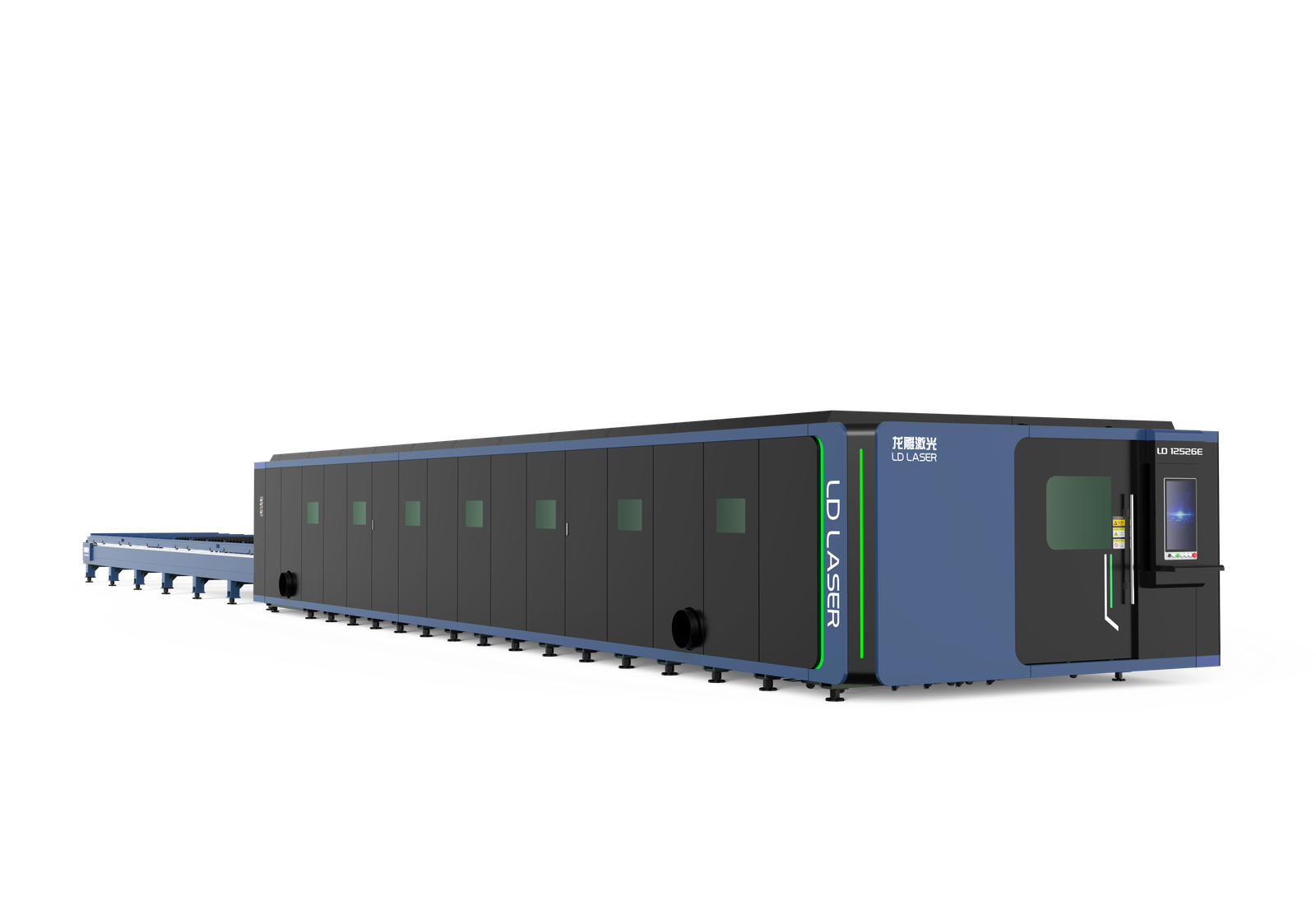
Modern laser cutting operations face increasing pressure to maximize workshop efficiency while maintaining stringent electrical safety standards. Integrated electrical cabinet design addresses this challenge by consolidating power distribution, control circuits, and safety interlocks into strategically engineered enclosures. These compact configurations reduce electromagnetic interference, minimize cable runs, and optimize floor space utilization. However, achieving proper component density while ensuring code compliance and thermal management requires careful consideration of several critical design factors.
Key Takeaways
Integrated cabinets consolidate power distribution, control circuits, and safety interlocks to minimize footprint and electromagnetic interference.
Vertical mounting systems reduce floor space requirements while maintaining code-mandated clearances and emergency disconnect accessibility.
Strategic cable management separates power, control, and communication circuits using color-coded pathways to prevent signal interference.
Modular designs with hinged panels enable rapid diagnostic access and component replacement without disrupting workflow patterns.
Dense configurations require forced air ventilation and temperature monitoring to prevent thermal buildup in compact spaces.
Understanding Integrated Cabinet Architecture for Laser Systems
Modern laser cutting systems require sophisticated electrical architectures that consolidate power distribution, control circuitry, and safety interlocks within integrated cabinet designs. These architectures implement strategic component placement to minimize electromagnetic interference while maximizing thermal management efficiency.
The cabinet structure houses primary power distribution units, motor controllers, and laser power supplies in dedicated zones. Integrated circuits manage real-time feedback loops between positioning systems and laser output control, ensuring precise cutting parameters. Modular design principles enable technicians to access individual subsystems without disrupting adjacent components.
Critical safety circuits include emergency stop networks, door interlock systems, and beam shutter controls. These systems operate independently of primary control circuits to maintain fail-safe operation. Proper grounding schemes prevent electrical noise from affecting sensitive analog signals.
Cabinet layouts prioritize service accessibility through removable panels and swing-out mounting systems. Wire management systems separate high-voltage power circuits from low-voltage control signals, maintaining signal integrity throughout operation.
Space Optimization Strategies in Workshop Layout Planning
Effective workshop layout planning requires systematic evaluation of vertical equipment mounting solutions to maximize floor space utilization while maintaining safe electrical clearances. Strategic cable management systems must integrate seamlessly with overhead routing paths and floor-level conduit runs to prevent electromagnetic interference and guarantee code compliance. Optimized workflow patterns demand careful positioning of integrated electrical cabinets relative to laser cutting stations to minimize signal degradation and reduce operator exposure to high-voltage components.
Vertical Equipment Mounting Solutions
When workshop floor space becomes a limiting factor, vertical mounting systems offer engineers a systematic approach to cabinet integration that maximizes operational efficiency while maintaining critical safety clearances. Vertical mounting advantages include reduced footprint requirements and improved cable management through strategic component positioning. Wall-mounted electrical enclosures must incorporate reinforced brackets capable of supporting distributed loads while ensuring equipment stability under operational vibrations. Circuit breakers, contactors, and control modules require standardized DIN rail configurations to facilitate vertical installation sequences. Safety protocols mandate minimum clearance distances between high-voltage components and accessible surfaces. Proper ventilation channels prevent thermal accumulation in vertically stacked configurations. Emergency disconnect switches must remain readily accessible regardless of mounting orientation, ensuring compliance with electrical safety standards while optimizing workshop space utilization.
Cable Management Systems
Multiple cable routing pathways within laser cutter electrical cabinets demand systematic organization to prevent signal interference, thermal buildup, and maintenance accessibility issues. Effective cable organization techniques separate power, control, and communication circuits using dedicated channels and appropriate spacing intervals. Strategic cable management reduces electromagnetic interference while facilitating rapid troubleshooting procedures during equipment maintenance cycles.
| Cable Type | Routing Method | Separation Distance |
|---|---|---|
| High-voltage power | Dedicated conduit | 6 inches minimum |
| Control signals | Shielded channels | 3 inches minimum |
| Communication data | Isolated pathways | 2 inches minimum |
| Ground conductors | Perimeter routing | Direct chassis contact |
| Emergency circuits | Independent conduit | 4 inches minimum |
Efficient routing employs color-coded identification systems and strain relief mechanisms to maintain circuit integrity under operational vibrations and thermal expansion cycles.
Workflow Path Optimization
Beyond internal cabinet organization, laser cutter installations require strategic positioning within workshop environments to enhance operational efficiency and maintain safety protocols. Electrical cabinet placement must accommodate material flow patterns, operator movement sequences, and emergency egress routes while maintaining proximity to primary power distribution points.
Workflow efficiency depends on minimizing cable runs between control cabinets and machine interfaces, reducing electromagnetic interference potential and voltage drop concerns. Process mapping reveals advantageous positioning coordinates that balance accessibility requirements with thermal management considerations. Emergency stop circuits must maintain unobstructed pathways throughout the operational zone.
Strategic cabinet orientation enables simultaneous access to multiple systems during maintenance cycles while preserving dedicated channels for high-voltage distribution, control signal routing, and diagnostic equipment connections within the integrated workshop ecosystem.
Component Consolidation Techniques for Maximum Efficiency
Although laser cutting systems traditionally require numerous discrete components scattered throughout multiple enclosures, modern electrical cabinet design achieves superior performance through strategic component consolidation that reduces circuit complexity while maintaining critical safety protocols. Advanced component layout methodologies position power supplies, control modules, and safety interlocks within unified assemblies, eliminating redundant wiring paths and reducing electromagnetic interference. Efficiency metrics demonstrate that consolidated designs achieve 15-20% improvement in thermal management through optimized airflow patterns and reduced heat-generating connection points.
Multi-function modules replace individual relays, contactors, and monitoring devices, creating streamlined control circuits with fewer failure points. Integrated servo drives combine motor control and feedback systems within single units, reducing cabinet footprint by approximately 30%. Safety systems benefit from consolidated emergency stop circuits that minimize response latency through direct signal paths. These consolidation techniques enable compact cabinet configurations while enhancing system reliability and maintenance accessibility for laser cutting operations.
Electrical Code Compliance in Compact Cabinet Designs
Compact electrical cabinet designs for laser cutting systems must satisfy stringent electrical code requirements that govern conductor spacing, thermal derating, and fault protection mechanisms within reduced enclosure volumes. National Electrical Code (NEC) Article 409 establishes minimum clearances between live parts, requiring careful circuit layout optimization to prevent arc flash incidents and electrical failures.
Thermal management becomes critical as component density increases. Engineers must apply derating factors to conductors when ambient temperatures exceed 30°C, necessitating enhanced ventilation systems or thermal barriers. Circuit breaker coordination requires precise fault current calculations to guarantee proper protective device operation within confined spaces.
Safety standards mandate adequate working space around energized components, creating design challenges in miniaturized configurations. Ground fault protection circuits must maintain sensitivity while accommodating high-frequency noise from laser power supplies. Compliance guidelines specify wire bend radius requirements that directly impact internal cabinet routing. Emergency disconnect switches must remain accessible despite space constraints, requiring innovative mounting solutions that preserve code-mandated clearances.
Safety System Integration and Access Management
Safety system integration requires careful orchestration of emergency stop circuits, interlock programming, and user access protocols to guarantee laser cutter operations meet stringent industrial safety standards. Emergency stop circuits must incorporate redundant pathways with positive-guided contacts that immediately de-energize all hazardous systems when activated. Interlock systems and permission protocols work in tandem to prevent unauthorized access while maintaining operational efficiency through properly sequenced safety checks.
Emergency Stop Circuit Design
Critical protection against hazardous laser operation requires an all-encompassing emergency stop circuit that integrates multiple safety subsystems while maintaining fail-safe functionality throughout the electrical cabinet design. Emergency designs must incorporate hardwired relay logic using normally closed contacts in series configuration, ensuring any component failure triggers immediate system shutdown. Circuit protocols mandate dual-channel safety monitoring with cross-checking between independent pathways to eliminate single-point failures.
The emergency stop network connects door interlocks, beam path sensors, and manual E-stop buttons through safety-rated contactors that directly interrupt laser power supplies. Master control relays provide galvanic isolation between low-voltage control circuits and high-power laser systems. Diagnostic LEDs and fault monitoring circuits enable rapid troubleshooting while maintaining compliance with IEC 60825 laser safety standards and Category 3 safety integrity requirements.
Interlock System Programming
Programmable logic controllers orchestrate complex interlock sequences through structured ladder logic that validates multiple safety conditions before permitting laser operation. Sequential programming guarantees door sensors, beam path verification, and ventilation systems achieve proper states before energizing cutting circuits. Advanced diagnostic routines monitor interlock system efficiency through real-time status feedback, enabling rapid fault identification and resolution.
| Interlock Function | Input Signal | Output Response |
|---|---|---|
| Door Position | Magnetic Reed Switch | Disable Laser Enable |
| Beam Path Clear | Photoelectric Sensor | Permit Firing Sequence |
| Ventilation Active | Airflow Monitor | Enable Operation Mode |
| Emergency Stop | NC Contact Chain | Immediate System Shutdown |
| Access Panel | Limit Switch | Lock Control Interface |
Systematic interlock system troubleshooting utilizes PLC diagnostic displays to isolate malfunctioning components, reducing downtime through precise fault localization and targeted maintenance procedures.
User Permission Protocols
Multi-tiered access control systems build upon foundational interlock programming to establish wide-ranging user authentication protocols that govern laser cutter operation permissions. These secure protocols integrate directly with cabinet-mounted control circuits to guarantee authorized personnel maintain exclusive operational access.
RFID card readers interface with permission management circuits to validate user credentials against stored access databases
Keypad authentication systems require numerical codes that correspond to specific permission levels within the control hierarchy
Biometric scanners provide advanced user authentication through fingerprint verification integrated with safety relay networks
Time-based access restrictions automatically disable user permissions outside designated operational windows through programmable timer circuits
Administrative override protocols enable emergency access while maintaining thorough audit trails through dedicated logging circuits
These layered security measures prevent unauthorized activation while streamlining legitimate user access workflows.
Cooling and Ventilation Solutions for Dense Configurations
Dense electrical configurations within laser cutter cabinets generate substantial heat loads that demand systematic thermal management to prevent component degradation and maintain operational safety margins. Cooling systems must address thermal concentration points where power conversion units, control processors, and switching circuits operate within confined spaces.
Forced air ventilation methods utilize strategically positioned intake and exhaust fans to establish controlled airflow patterns through cabinet enclosures. Temperature-sensitive fan controllers automatically adjust cooling capacity based on internal thermal monitoring, ensuring ideal component operating ranges while minimizing energy consumption.
Heat sink assemblies mounted to high-power semiconductors provide direct thermal conduction pathways, transferring heat away from critical junction points. Ventilation ducting channels heated air through predetermined paths, preventing thermal stratification and hot spot formation.
Cabinet thermal design incorporates ambient temperature considerations, accounting for workshop environmental conditions that affect cooling system effectiveness and component reliability over extended operational cycles.
Maintenance Accessibility in Streamlined Electrical Enclosures
Effective thermal management systems require regular inspection and component replacement protocols that depend on technician access to interior cabinet configurations. Streamlined electrical enclosures for laser cutters demand strategic layout planning that balances space optimization with service accessibility.
Essential maintenance techniques for compact electrical cabinets include:
Hinged panel systems – Removable access doors positioned at critical component clusters for rapid diagnostic procedures
Modular component mounting – Standardized rail systems enabling quick disconnection of power supplies and control modules
Cable management pathways – Organized routing channels that prevent interference during component extraction
Service clearance zones – Minimum 6-inch spacing requirements around high-maintenance components like contactors and relays
Test point accessibility – Strategic placement of measurement terminals for voltage verification without component removal
Enclosure optimization requires careful consideration of maintenance frequency patterns. High-wear components should occupy front-accessible positions, while static elements can utilize deeper cabinet zones. This approach minimizes downtime while preserving the compact footprint essential for workshop efficiency.
Retrofitting Existing Workshops With Integrated Cabinet Systems
When implementing integrated electrical cabinet systems in established workshops, circuit modifications must accommodate existing power infrastructure while maintaining compliance with electrical safety standards. Retrofit challenges typically involve evaluating current electrical loads, upgrading insufficient amperage capacity, and rerouting conduit pathways to accommodate new cabinet configurations. Existing breaker panels often require additional circuits or load redistribution to support integrated laser cutter systems effectively.
Workshop upgrades necessitate careful assessment of ground fault protection, emergency disconnect placement, and ventilation requirements for enclosed electrical components. Legacy wiring may need replacement to handle increased power demands and guarantee proper isolation between control circuits and high-voltage laser components. Installation teams must verify adequate clearance distances around electrical cabinets while integrating with existing workshop layouts.
Code compliance verification becomes critical when modifying established electrical systems, requiring inspection of updated installations to confirm adherence to current safety regulations and proper integration with workshop infrastructure.
Cost-Benefit Analysis of Consolidated Electrical Infrastructure
Calculating the financial impact of consolidated electrical infrastructure reveals significant cost advantages through reduced component redundancy and simplified maintenance protocols. Integrated cabinet systems eliminate duplicate circuit protection devices, contactors, and monitoring equipment across multiple machine installations. The streamlined architecture reduces initial capital expenditure while improving operational efficiency gains through centralized control systems.
Consolidated designs minimize labor costs during installation and ongoing maintenance cycles. Technical personnel can diagnose and service multiple laser systems from a single access point, reducing downtime and enhancing productivity metrics.
Key financial benefits include:
Reduced procurement costs through bulk component purchasing and standardized specifications
Lower installation labor requirements with simplified wiring configurations
Decreased maintenance overhead through centralized diagnostic capabilities
Enhanced safety compliance reducing insurance premiums and regulatory penalties
Improved energy efficiency through optimized power distribution and monitoring systems
These cost savings compound over the equipment lifecycle, typically achieving return on investment within eighteen to twenty-four months of implementation.
Conclusion
Modern workshops pursuing integrated electrical cabinet solutions discover that consolidating power distribution, control circuits, and safety interlocks into compact vertical configurations remarkably transforms chaotic cable sprawl into organized efficiency. Engineers marvel at how electromagnetic interference mysteriously diminishes when proper shielding protocols replace haphazard installations. Maintenance technicians express profound gratitude for accessible circuit breakers and clearly labeled terminations, while safety inspectors find fewer code violations in thoughtfully designed enclosures that prioritize both spatial economy and regulatory compliance.