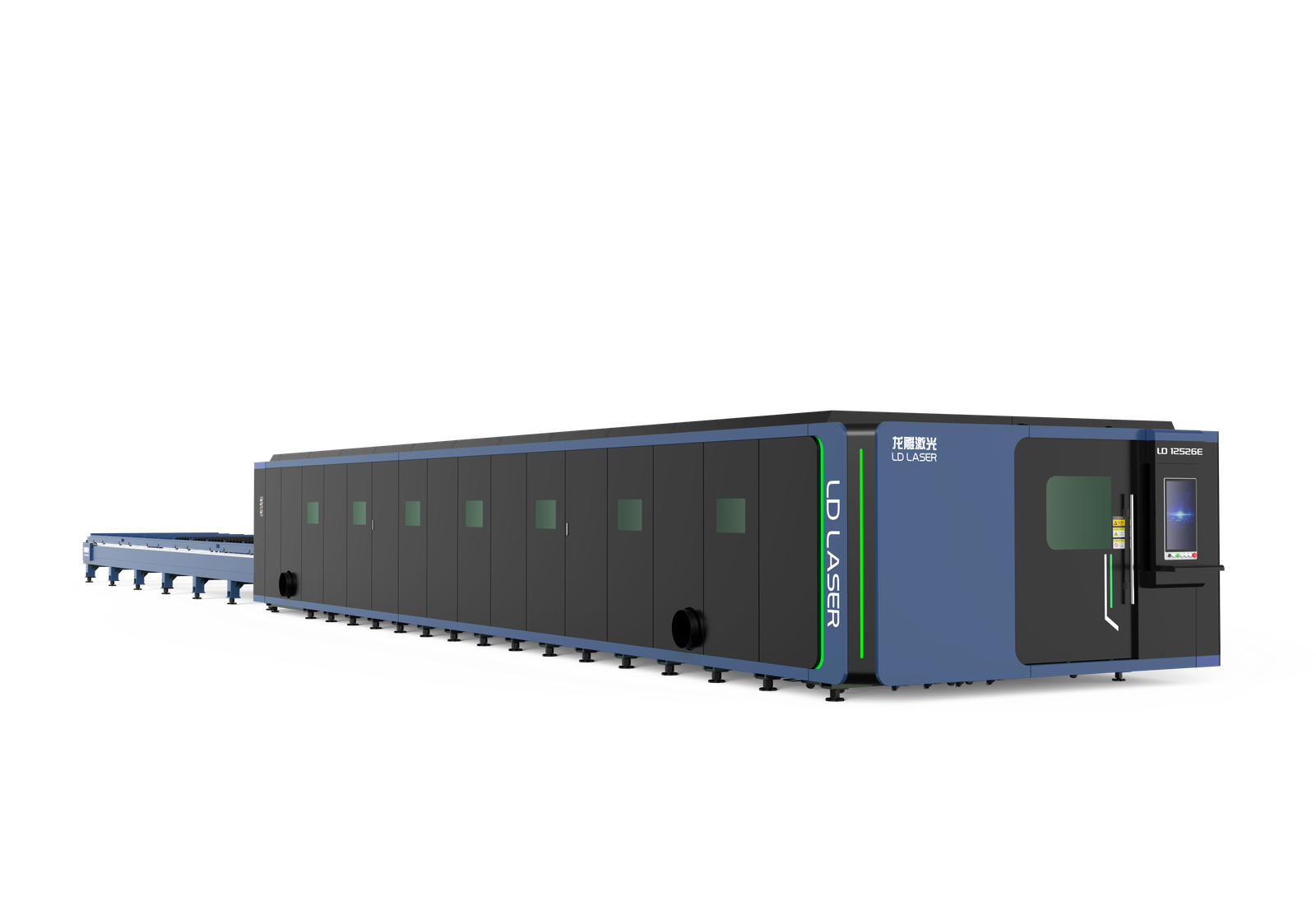
When Boeing selects cutting technology for aircraft components, they’re weighing plasma’s raw speed against laser’s surgical precision. You’ll face this same critical decision when choosing between these two dominant metal fabrication methods. Each technology offers distinct advantages that directly impact your production costs, cut quality, and operational efficiency. Understanding their fundamental differences in speed, precision, material compatibility, and total cost of ownership will determine whether you’re maximizing profits or leaving money on the table.
Key Takeaways
Plasma cutting excels on thick metals above 1 inch with speeds up to 500 IPM, while laser cutting dominates thin materials under 0.5 inches.
Laser cutting achieves superior precision with ±0.003 inch tolerances versus plasma’s ±0.020 inch tolerances and wider kerfs.
Plasma cutting requires lower initial investment ($15,000-$150,000) compared to laser systems ($100,000-$1,000,000+) but has higher operational electricity consumption.
Plasma cutting only works on electrically conductive materials like steel and copper, while laser cutting handles both conductive and non-conductive materials.
Laser cutting produces smooth edges requiring minimal post-processing, whereas plasma cutting often creates beveled edges needing secondary machining.
How Plasma and Laser Cutting Technologies Work
When you’re evaluating cutting technologies for your manufacturing operation, understanding the fundamental mechanisms behind plasma and laser cutting directly impacts your equipment selection and operational costs.
Plasma cutting operates by creating an electrical arc through compressed gas, generating temperatures exceeding 45,000°F. This ionized gas stream melts and blows away material, making it ideal for thick metals and high-speed applications. You’ll find plasma systems cost-effective for structural steel, shipbuilding, and heavy fabrication.
Laser cutting uses concentrated light beams to melt, burn, or vaporize materials with precise thermal control. The focused energy delivers superior edge quality and tight tolerances, particularly on thin to medium materials. Technology advancements in fiber lasers have reduced operating costs while improving cut speeds.
Your choice depends on material thickness, precision requirements, and production volumes. Application industries like aerospace demand laser precision, while construction and demolition favor plasma’s raw cutting power and lower equipment investment.
Speed and Efficiency Comparison
While both technologies deliver fast cutting speeds, plasma cutting consistently outpaces laser cutting on thick materials above 1 inch, achieving speeds up to 500 inches per minute compared to laser’s 200-300 IPM range.
Your cut speed advantages shift dramatically based on material thickness. For thin sheets under 0.5 inches, laser cutting maintains superior operational efficiency with precise, clean cuts. However, you’ll find plasma cutting dominates thick plate applications where raw speed matters most.
| Material Thickness | Plasma Speed (IPM) | Laser Speed (IPM) |
|---|---|---|
| 0.25″ – 0.5″ | 300-400 | 400-600 |
| 1″ – 2″ | 400-500 | 150-250 |
| 3″ – 4″ | 200-300 | 50-100 |
Operational efficiency extends beyond pure speed metrics. You’ll experience faster piercing times with plasma on thick materials, reducing overall cycle time. Laser cutting requires longer piercing sequences but delivers consistent speeds across varying material compositions. Consider your production volume and material specifications when evaluating which technology maximizes your throughput requirements.
Cut Quality and Precision Analysis
Precision requirements dictate your cutting technology selection more than any other factor. Laser cutting delivers superior cut quality with tolerances of ±0.003 inches, while plasma cutting typically achieves ±0.020 inches. You’ll notice laser’s narrow kerf width produces smooth, vertical edges requiring minimal post-processing, reducing your finishing costs by 60-80%.
Plasma cutting creates wider kerfs with beveled edges and heat-affected zones that often need secondary machining. However, you’re trading precision levels for speed and lower equipment costs. For structural steel and basic fabrication, plasma’s cut quality meets most specifications at half the operating cost.
Your material thickness influences these precision levels considerably. Laser maintains consistent accuracy up to 1 inch, while plasma’s cut quality degrades on materials under 1/4 inch. Consider your tolerance requirements, production volume, and finishing budget when evaluating these technologies. Tighter specifications justify laser’s premium, while general fabrication favors plasma’s cost-effectiveness.
Material Compatibility and Thickness Capabilities
Material selection drives your cutting technology choice as much as precision requirements do. You’ll find that plasma and laser cutting technologies excel with different materials and thickness ranges based on their fundamental operating principles.
Plasma cutting works best with electrically conductive materials, while laser cutting handles both conductive and non-conductive materials effectively. Your material properties directly impact which process delivers ideal cost-efficiency.
Plasma Cutting Capabilities:
- Steel plates up to 6 inches thick with excellent speed
- Aluminum and stainless steel to 4 inches economically
- Copper, brass, and other conductive metals efficiently
- Limited to electrically conductive materials only
Laser Cutting Capabilities:
- Steel sheets up to 1 inch with superior edge quality
- Non-metals like plastics, composites, and ceramics precisely
- Thin materials under 0.5 inches with exceptional accuracy
- Broader material compatibility across thickness ranges
Choose plasma for thick conductive materials requiring speed over precision. Select laser cutting when material properties demand fine detail or you’re working with non-conductive substrates.
Cost Considerations and Return on Investment
Your cutting technology choice impacts both immediate capital expenses and long-term operational profitability. Plasma cutting systems require considerably lower initial investment, typically ranging from $15,000-$150,000 for industrial units. You’ll find laser cutting machines demand higher upfront costs, often $100,000-$1,000,000+ depending on power and automation features.
Operational costs reveal a different story. Plasma systems consume more electricity per cut but use inexpensive consumables like electrodes and nozzles. You’ll spend $0.50-$2.00 per hour on consumables. Laser cutting offers superior energy efficiency but requires costly gas assists, specialized optics, and maintenance. Your hourly operational costs typically range $3.00-$8.00.
Calculate your ROI by analyzing material thickness, production volume, and precision requirements. High-volume thin sheet operations favor laser’s speed and quality despite higher costs. Heavy plate cutting applications make plasma’s lower initial investment and operational flexibility more profitable long-term.
Conclusion
You’re choosing between a Formula 1 car and a Swiss watchmaker’s precision tool. If you’re cutting 2-inch steel plates at 150 IPM for structural work, plasma’s your racing machine—delivering speed and cost efficiency. But when you need 0.001-inch tolerance on intricate parts, laser cutting becomes your precision instrument. Consider this: plasma systems cost 40% less upfront, while laser cutting reduces secondary operations by 60%. Match your cutting technology to your production requirements, not industry trends.