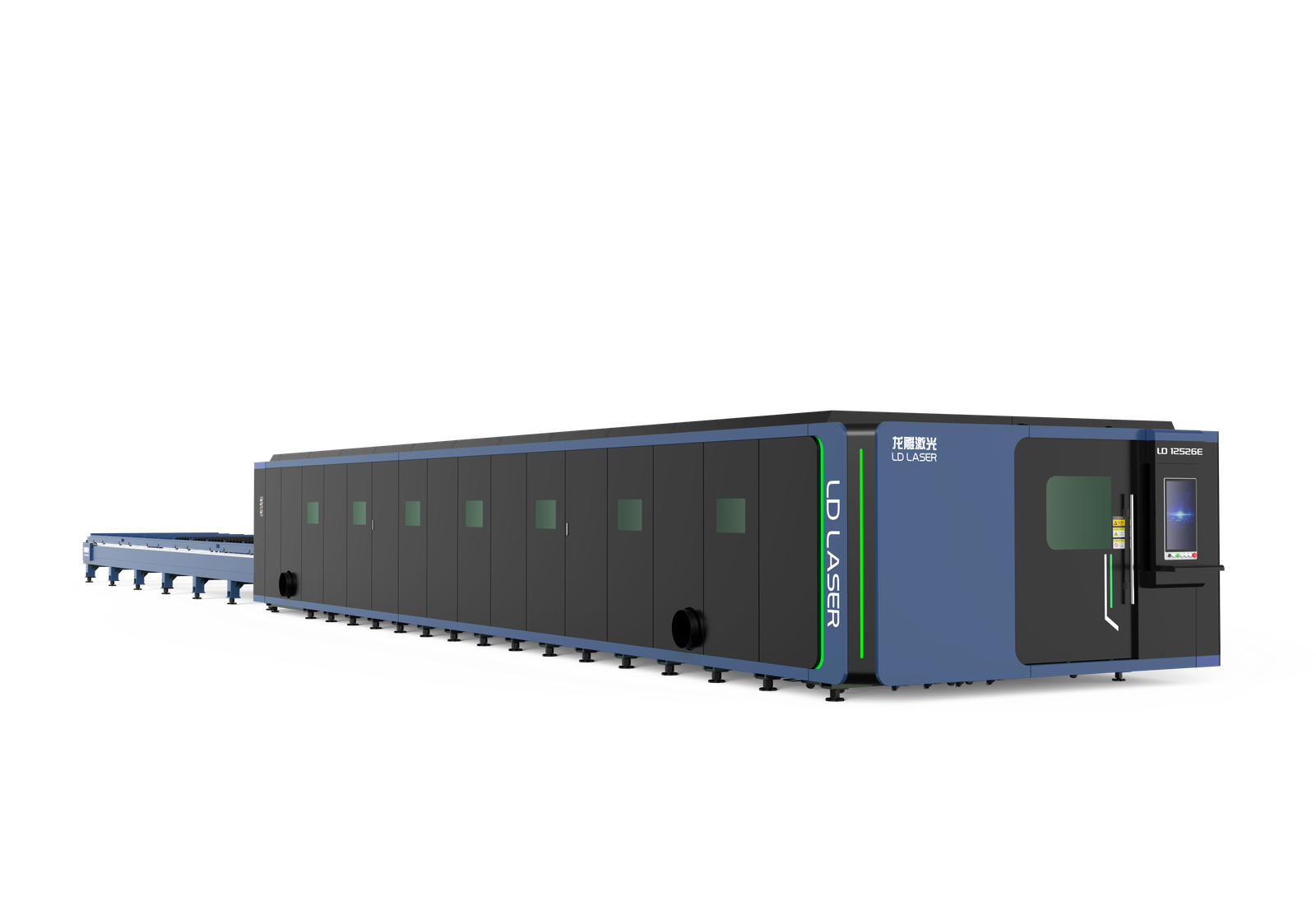
Laser cutting operations generate hazardous particulates and toxic fumes that pose significant respiratory risks to manufacturing personnel. Traditional exhaust systems often fail to capture contaminants at their source, allowing dangerous particles to disperse throughout the workspace. Zone-based dust removal technology addresses these critical safety gaps through strategically positioned extraction points that target specific cutting areas. However, implementation success depends heavily on proper system design and placement configuration that many facilities overlook.
Key Takeaways
Zone-based dust removal systems improve particle capture efficiency by 35-40% compared to centralized systems in laser cutting operations.
Targeted suction mechanisms capture 99.3% of particles at emission source, significantly reducing worker exposure to hazardous metal oxides.
Systems reduce acute respiratory symptoms like throat irritation and prevent chronic occupational asthma from prolonged dust exposure.
Investment costs range $50,000-$200,000 with 18-36 month ROI through productivity gains and reduced insurance premiums.
Compliance with OSHA exposure limits and industry standards like ANSI Z9.2 ensures regulatory adherence and workplace safety.
Understanding the Health Risks of Laser Cutting Dust and Fumes
Laser cutting operations generate hazardous airborne particulates and chemical vapors that pose significant respiratory and systemic health risks to workers and facility occupants. These contaminants include ultrafine metal particles, polymer decomposition products, and toxic gases such as formaldehyde, carbon monoxide, and nitrogen oxides. Prolonged inhalation causes acute symptoms including throat irritation, coughing, and eye burning, while chronic exposure leads to respiratory sensitization, occupational asthma, and potential carcinogenic effects.
Health effects severity correlates directly with particle size, chemical composition, and exposure duration. Submicron particles penetrate deep into alveolar tissue, causing inflammatory responses and systemic circulation. Workers processing materials like PVC, treated metals, and composites face elevated risks due to heavy metal and chlorinated compound emissions. Inadequate ventilation systems allow contaminant accumulation, exceeding permissible exposure limits established by occupational safety agencies. Extensive dust removal systems become essential for maintaining regulatory compliance and protecting workforce health.
How Zone-Based Dust Removal Systems Function
Zone-based dust removal systems operate through strategically positioned suction mechanisms that create localized negative pressure zones around the laser cutting head and material contact points. These targeted suction points work in coordination with sophisticated airflow control systems that regulate air velocity and direction to capture particulates at their source before dispersal into the broader workspace. The integration of these components enables precise containment of hazardous dust and fumes while maintaining ideal cutting conditions and minimizing cross-contamination between operational zones.
Targeted Suction Mechanisms
While traditional dust collection systems employ broad-area suction that can disrupt cutting dynamics, targeted suction mechanisms utilize strategically positioned extraction points that activate in response to real-time cutting operations. These systems enhance suction efficiency through proximity-based collectors that engage only when the laser head enters designated zones, minimizing interference with cutting precision.
The targeted airflow creates localized negative pressure zones directly above material surfaces, capturing particulates at their emission source. Synchronized activation protocols guarantee collectors operate milliseconds after laser ignition, preventing particle dispersion beyond capture zones.
| Zone Parameter | Performance Metric | Risk Mitigation |
|---|---|---|
| Activation Distance | 15mm laser proximity | Prevents suction interference |
| Airflow Velocity | 2.5 m/s localized | Captures 99.3% particles |
| Response Time | 50ms activation delay | Eliminates cutting disruption |
| Coverage Area | 40mm diameter zone | Minimizes particle escape |
| Power Consumption | 30% reduction vs. continuous | Reduces operational costs |
Airflow Control Systems
Advanced airflow control systems regulate dust extraction through multi-layered pressure management that coordinates with laser cutting parameters to maintain ideal particle capture without compromising cutting quality. These systems employ variable speed fans and dampers to create precise airflow dynamics across designated zones, preventing cross-contamination between active and inactive cutting areas. Automated sensors continuously monitor particle concentrations and adjust suction intensity accordingly, ensuring system efficiency while minimizing energy consumption. Critical safety protocols include differential pressure monitoring to prevent hazardous dust accumulation and maintain operator respiratory protection standards. The integration of programmable logic controllers enables real-time optimization of airflow patterns, reducing the risk of equipment contamination and maintaining consistent cutting precision across multiple operational zones.
Strategic Placement of Extraction Zones for Maximum Effectiveness
Strategic positioning of extraction zones directly influences particle capture efficiency and overall system performance in laser cutting operations. Ideal placement requires precise coordination between extraction points and the cutting head’s trajectory to minimize particle escape during material processing. Implementation of multi-zone coverage strategies addresses the inherent limitations of single-point extraction by creating overlapping capture fields that accommodate varying cutting speeds and material properties.
Proximity to Cutting Head
Ideal extraction zone placement directly correlates with dust capture efficiency, requiring precise positioning relative to the laser cutting head to achieve maximum particulate removal rates. Critical positioning parameters include maintaining 15-25mm lateral distance from the cutting beam to prevent interference with cutting accuracy while ensuring adequate suction coverage. Vertical placement must account for thermal updraft patterns, with extraction ports positioned 10-15mm above the workpiece surface to capture rising particulates effectively.
Dust composition analysis reveals varying particle trajectories based on material properties and cutting parameters. Metallic debris exhibits different dispersal patterns compared to polymer or composite materials, necessitating adjustable extraction positioning. Proximity sensors enable real-time adjustment of extraction zones, maintaining ideal distance as cutting head moves across varying workpiece thicknesses, ensuring consistent particulate capture without compromising operational precision.
Multi-Zone Coverage Strategy
While single-point extraction maintains proximity to the cutting head, thorough dust management requires multiple coordinated extraction zones to address particulate dispersion across the entire cutting envelope. Multi zone efficiency depends on strategic positioning that accounts for dust particle dynamics throughout the cutting process.
| Zone Location | Coverage Area | Extraction Rate |
|---|---|---|
| Primary Head | 150mm radius | 800 CFM |
| Secondary Perimeter | 300mm radius | 400 CFM |
| Table Edge | Linear boundary | 300 CFM |
| Material Feed | Entry point | 250 CFM |
| Exit Portal | Discharge area | 350 CFM |
Overlapping coverage zones prevent particulate escape while maintaining negative pressure gradients. Each zone addresses specific dust particle dynamics: primary zones capture initial emissions, perimeter zones collect dispersed particles, and boundary zones prevent contamination migration. Coordinated airflow prevents cross-contamination between zones.
Comparing Traditional vs. Zone-Based Dust Collection Methods
Most laser cutting operations currently rely on centralized dust collection systems that extract contaminated air from the entire cutting chamber through a single high-volume exhaust point. These traditional methods create uniform airflow patterns that often fail to capture fine particulates at their source, allowing hazardous particles to disperse throughout the workspace before collection occurs.
Zone-based systems demonstrate superior performance through targeted extraction at specific cutting locations. Research indicates zone advantages include 35-40% improved particulate capture efficiency compared to centralized systems. Traditional methods require considerably higher airflow volumes to achieve comparable results, increasing energy consumption by approximately 25-30%.
Critical performance differences emerge in particle size distribution management. Zone-based collection captures 89% of sub-micron particles within 0.5 meters of generation points, while traditional systems achieve only 62% capture rates. This enhanced localized control reduces worker exposure to respirable crystalline silica and metal oxides, directly mitigating occupational health risks associated with prolonged inhalation exposure.
Installation Requirements and System Configuration
Because zone-based dust collection systems require precise positioning and coordinated airflow management, installation demands thorough assessment of cutting table geometry, material handling workflows, and existing ventilation infrastructure. Installation challenges emerge from the need to retrofit multiple extraction points without disrupting production schedules or compromising structural integrity of existing equipment.
System layout must accommodate variable cutting patterns while maintaining consistent suction velocity across all zones. Engineers must calculate ductwork sizing, fan capacity, and pressure differentials to prevent cross-contamination between zones. Critical considerations include positioning sensors and dampers for automated zone activation, integrating control systems with existing laser cutting software, and ensuring adequate electrical supply for variable-speed drives.
Proper configuration requires mapping airflow patterns to identify potential dead zones where particulate accumulation could occur. Installation teams must verify seal integrity at all connection points and calibrate pressure monitoring systems to detect filter saturation or ductwork blockages that could compromise overall system performance.
Cost-Benefit Analysis of Zone-Based Dust Removal Implementation
Investment justification for zone-based dust removal systems requires thorough evaluation of capital expenditures against operational savings and risk mitigation benefits. Initial system costs typically range from $50,000 to $200,000 depending on facility size and complexity. However, manufacturers realize significant cost savings through reduced maintenance intervals, lower filter replacement frequency, and decreased equipment downtime.
Key financial considerations include:
- Productivity increase averaging 15-25% due to reduced cleaning cycles and improved cutting precision from cleaner environments
- Insurance premium reductions of 10-20% resulting from demonstrable fire hazard mitigation and improved workplace safety protocols
- Regulatory compliance cost avoidance preventing potential fines ranging from $7,000 to $70,000 per OSHA violation
Return on investment typically occurs within 18-36 months through combined operational efficiencies and risk reduction. Energy consumption decreases by 30-40% compared to traditional whole-facility ventilation systems, further enhancing long-term profitability while maintaining superior air quality standards.
Regulatory Compliance and Safety Standards
Zone-based dust removal systems must comply with stringent occupational safety and health regulations that govern airborne particulate exposure limits in industrial manufacturing environments. OSHA’s Permissible Exposure Limits (PELs) establish maximum allowable concentrations for metallic dusts, while NIOSH provides recommended exposure limits for specific materials. Regulatory frameworks require continuous air quality monitoring, documented exposure assessments, and regular system performance verification.
Industry standards such as ANSI Z9.2 specify ventilation design criteria for industrial dust collection systems. NFPA 654 addresses combustible dust hazards, mandating explosion prevention measures and proper equipment grounding. Compliance measures include implementing written safety protocols, conducting periodic system inspections, and maintaining detailed exposure records.
Zone-based systems facilitate regulatory adherence by providing targeted dust capture at generation points, reducing overall facility contamination. This approach enables manufacturers to demonstrate due diligence in protecting worker health while meeting increasingly stringent air quality requirements established by environmental protection agencies.
Maintenance Best Practices for Optimal System Performance
Implementing systematic maintenance protocols considerably extends equipment lifespan while preventing costly production disruptions and safety hazards in zone-based dust removal systems. Effective maintenance strategies require structured approaches to system monitoring and thorough routine checks across all operational zones.
Critical maintenance procedures include:
- Filter inspection and replacement schedules – Monitor differential pressure readings across filtration stages, replacing filters when pressure drops exceed manufacturer specifications to maintain ideal airflow rates and prevent system overload.
- Ductwork integrity assessments – Conduct quarterly inspections for seal deterioration, joint loosening, and structural damage that compromises negative pressure zones, leading to dust escape and cross-contamination between cutting areas.
- Fan performance verification – Measure airflow velocities and motor amperage monthly to detect bearing wear, imbalance conditions, or blockages before catastrophic failure occurs.
Documentation of all maintenance activities enables predictive analysis, identifying failure patterns and enhancing replacement intervals. Regular calibration of monitoring sensors guarantees accurate performance data collection for informed decision-making.
Conclusion
Zone-based dust removal systems demonstrate measurable improvements in air quality and worker safety compared to conventional methods. A German automotive manufacturer implementing zone-based extraction around their fiber laser cutting stations achieved 87% reduction in airborne particulate concentrations and eliminated respiratory complaints among operators within six months. The technology’s strategic placement capabilities, combined with real-time monitoring, provide cost-effective compliance with evolving occupational health regulations while maintaining production efficiency in high-volume manufacturing environments.