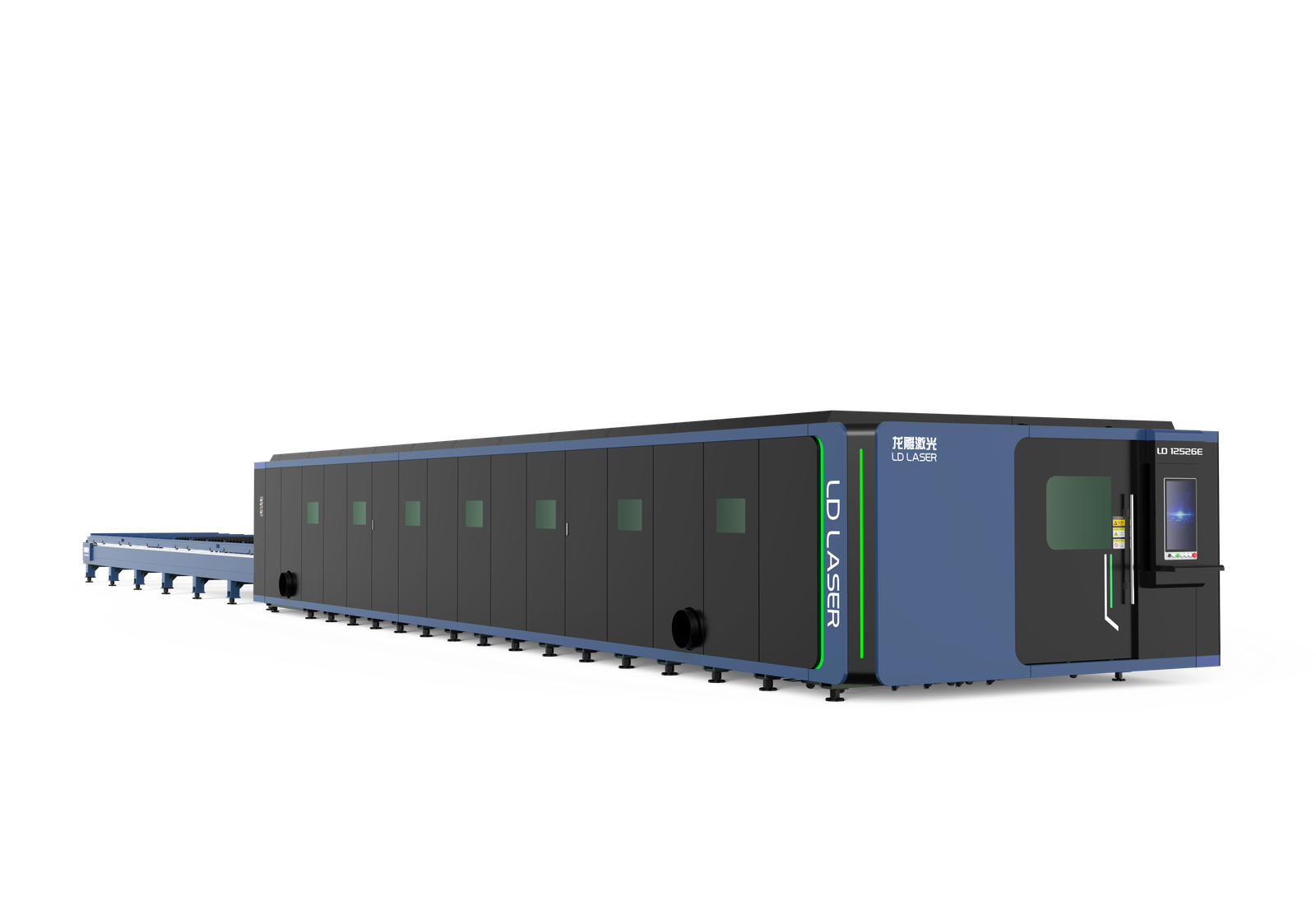
While traditional bevel programming chains you to time-consuming manual adjustments and costly rework cycles, intelligent automation transforms your entire workflow into a seamless, predictive operation. You’ll discover how integrated CAD systems now communicate directly with cutting machines, enabling real-time parameter optimization that responds instantly to design changes. This convergence of advanced algorithms and manufacturing intelligence doesn’t just eliminate guesswork—it fundamentally reshapes how you approach complex geometries and quality assurance.
Principais conclusões
Seamless CAD integration enables automatic calculation of cutting angles, feed rates, and torch positioning with real-time design validation and simulation.
Machine learning algorithms continuously adapt cutting parameters based on feedback, predicting tool wear and optimizing paths during operation.
Real-time monitoring processes thousands of data points per second, automatically correcting trajectories and adjusting speeds for material variations.
Smart nesting algorithms and predictive analytics minimize material waste while optimizing cutting paths and preventing quality defects proactively.
Standardized calibration protocols ensure consistent performance through systematic torch height, cutting speed, and gas flow verification procedures.
The Evolution From Manual Programming to Intelligent Automation
Enquanto traditional bevel programming required operators to manually input cutting parameters for each job, today’s intelligent systems automatically calculate ideal angles, feed rates, and torch positioning based on material specifications and design requirements. You’ll find that manual programming demanded extensive operator expertise and consumed significant setup time, often leading to inconsistent results and material waste.
Modern automation benefits include real-time parameter enhancement, adaptive cutting strategies, and seamless CAD integration. You can now import part geometries directly from design files, where intelligent algorithms automatically generate improved tool paths and bevel sequences. The system analyzes joint requirements, material thickness, and edge preparation specifications to determine precise cutting parameters.
You’ll experience reduced programming time from hours to minutes while achieving superior cut quality and repeatability. Advanced machine learning capabilities enable the system to continuously refine cutting strategies based on historical performance data, ensuring excellent results across diverse applications and materials.
CAD Integration and Real-Time Design Validation
Since modern bevel cutting systems seamlessly connect with CAD software, you can validate design geometry and cutting parameters before material processing begins. This CAD collaboration eliminates costly errors through thorough design iteration cycles that catch potential issues early.
Real-time simulation feedback provides immediate visualization of cutting paths, joint fit-ups, and weld preparations. You’ll see exactly how beveled edges align before committing materials to production. Advanced visualization tools display torch angles, travel speeds, and kerf compensation in three-dimensional space.
Software interoperability guarantees your existing design workflows integrate smoothly with cutting operations. The unified user interface streamlines shifts between design modification and production execution. Centralized data management maintains version control across engineering teams while tracking design changes through manufacturing.
System integration extends beyond basic file transfer—you’re working with intelligent feedback loops that optimize cutting parameters based on material properties, thickness variations, and joint requirements. This all-encompassing approach transforms traditional CAD-to-cutting workflows into dynamic, validated production systems.
Advanced Algorithm Implementation for Complex Geometries
Complex geometries demand sophisticated algorithmic approaches that extend far beyond standard linear and circular cutting patterns. You’ll need custom geometry algorithms that leverage advanced parametric modeling to handle intricate shapes efficiently. These shape recognition techniques analyze your CAD data and implement automated feature extraction to identify critical cutting zones.
Your system must incorporate several key algorithmic design innovations:
Surface enhancement algorithms that minimize material waste while maintaining structural integrity
Curve fitting strategies that translate complex splines into executable machine paths
Geometry simplification methods that reduce computational overhead without sacrificing accuracy
Geometric approximation methods that balance precision with processing speed
Complex shape analysis requires intelligent preprocessing where your software applies these techniques automatically. The system performs real-time calculations, adjusting parameters based on material properties and machine capabilities. This approach guarantees superior bevel quality across varying geometric complexities while maintaining production efficiency.
Automated Tool Path Optimization and Machine Learning
You’ll implement machine learning algorithms that automatically adjust cutting parameters based on real-time material feedback and geometric complexity analysis. Your system must integrate predictive wear models that anticipate tool degradation patterns before they compromise bevel quality or dimensional accuracy. The automated path enhancement engine you develop will continuously recalculate toolpaths during operation, ensuring ideal cutting speeds, feed rates, and approach angles for each unique geometric feature.
Adaptive Cutting Parameters
When you implement adaptive cutting parameters em intelligent bevel programming, you’re leveraging machine learning algorithms that continuously analyze real-time cutting conditions and automatically adjust tool paths for peak performance.
These systems monitor material resistance, thermal conditions, and tool wear patterns to enhance your cutting operations dynamically. You’ll achieve consistent quality while extending tool life through intelligent parameter management.
Key adaptive capabilities include:
Real-time feed rate modulation based on material density variations
Automatic depth adjustment responding to workpiece geometry changes
Predictive tool wear compensation preventing quality degradation
Dynamic coolant optimization maintaining ideal thermal conditions
Your adaptive speed adjustments respond instantly to changing conditions, while customizable cutting profiles guarantee peak performance across diverse materials and geometries. This intelligent approach eliminates manual intervention while maximizing throughput and maintaining precision standards.
Predictive Wear Analysis
Building on adaptive parameter adjustments, predictive wear analysis takes intelligent bevel programming to the next level by forecasting tool degradation before it impacts your cutting quality. Modern wear prediction techniques analyze vibration patterns, cutting forces, and thermal signatures to calculate remaining tool life with remarkable accuracy.
Sensor integration enables real-time monitoring of critical wear indicators. Your system continuously compares actual performance against baseline parameters, identifying deviation patterns that signal impending tool failure. Machine learning algorithms process this data stream, refining predictions based on material types, cutting conditions, and historical wear patterns.
| Sensor Type | Monitored Parameter | Wear Indicator |
|---|---|---|
| Vibration | Frequency spectrum | Edge chipping |
| Force | Cutting resistance | Tool dulling |
| Thermal | Temperature rise | Excessive friction |
| Acoustic | Sound patterns | Surface degradation |
This proactive approach eliminates unexpected tool failures and maintains consistent bevel quality throughout production runs.
Real-Time Path Adjustment
Através de continuous feedback loops, real-time path adjustment systems modify cutting trajectories during active machining operations to compensate for material variations, tool wear, and geometric deviations. You’ll achieve superior cutting performance by implementing dynamic routing algorithms that respond instantly to sensor data feedback.
Advanced systems deliver precise real time adjustments through:
Adaptive speed control – Automatically modulates feed rates based on material hardness variations
Trajectory correction – Compensates for workpiece positioning errors and fixture inconsistencies
Tool deflection monitoring – Adjusts cutting parameters when excessive tool bending occurs
Surface quality enhancement – Modifies approach angles to maintain consistent finish requirements
Your CNC system processes thousands of data points per second, enabling immediate response to changing conditions. This intelligent monitoring eliminates manual operator interventions while maintaining tight tolerances throughout complex bevel operations.
Quality Control Through Predictive Analytics and Feedback Systems
As modern bevel cutting operations generate massive amounts of data from sensors, encoders, and monitoring systems, you can harness this information to predict quality outcomes before defects occur. Your predictive maintenance systems analyze real-time sensor utilization patterns to identify potential failures hours before they manifest. Through analytics integration, you’ll establish robust feedback loops that automatically adjust parameters when anomaly detection algorithms identify deviations from acceptable thresholds.
| Traditional Quality Control | Predictive Analytics Approach |
|---|---|
| Reactive defect correction | Proactive error forecasting |
| Manual inspection cycles | Automated trend analysis |
| Fixed parameter settings | Dynamic adjustment protocols |
| Post-production evaluation | Real-time performance monitoring |
| Historical data review | Continuous data visualization |
Your performance benchmarking capabilities enable iterative improvement through systematic trend analysis. You’ll visualize quality metrics through extensive data visualization dashboards, allowing operators to identify patterns and correlations that weren’t previously visible. This integrated approach transforms quality control from reactive problem-solving into proactive optimization.
Material Waste Reduction and Cost Optimization Strategies
Predictive analytics systems that prevent quality defects simultaneously minimize resíduos de materiais by eliminating the need to scrap defective parts. Your intelligent bevel programming platform enhances cutting paths and torch movements to maximize material utilization while reducing consumable consumption through precise process control.
Smart nesting algorithms analyze your plate inventory and automatically arrange parts to minimize remnant material. You’ll achieve peak supply chain efficiency by coordinating material orders with production schedules, preventing overstock situations and reducing carrying costs.
Advanced resource allocation strategies include:
Dynamic torch parameter adjustment based on material thickness and grade
Real-time monitoring of consumable wear patterns to prevent premature replacement
Automated remnant tracking and reuse prioritization for future jobs
Integration with inventory management systems for just-in-time material delivery
Your system continuously learns from production data, refining cutting strategies to reduce kerf waste and improve edge quality. These enhancement algorithms deliver measurable cost reductions while maintaining stringent quality standards across all bevel operations.
Implementation Best Practices for Manufacturing Operations
You’ll achieve maximum efficiency in intelligent bevel programming by establishing systematic workflow protocols that integrate seamlessly with your existing production schedule. Your quality control systems must incorporate real-time monitoring capabilities that track bevel accuracy against programmed parameters throughout each cutting cycle. Equipment setup procedures require standardized calibration sequences that guarantee consistent performance across multiple operators and shift changes.
Workflow Optimization Strategies
When implementing intelligent bevel programming in manufacturing operations, you’ll need to establish clear workflow optimization strategies that integrate seamlessly with your existing production systems. Process optimization requires systematic task automation that enhances workflow efficiency while maintaining quality standards. Your resource management approach should focus on time reduction through strategic system integration that creates operational synergy across departments.
Key workflow optimization strategies include:
Performance enhancement protocols that automate repetitive programming tasks and reduce manual intervention
Production flow mapping to identify bottlenecks and streamline material handling processes
Real-time monitoring systems that provide instant feedback on cutting parameters and quality metrics
Project alignment frameworks ensuring consistent bevel specifications across multiple workstations
These strategies create measurable improvements in throughput while maintaining precision standards essential for critical applications.
Quality Control Integration
Because intelligent bevel programming generates complex geometric profiles that demand consistent dimensional accuracy, your quality control integration must establish real-time validation protocols that verify cutting parameters against design specifications. You’ll implement automated inspection processes that capture quality metrics throughout production cycles, enabling immediate defect detection before parts leave your workstation. Configure your system to monitor performance benchmarks against established compliance standards, creating actionable data analysis reports that identify deviation patterns. Schedule regular quality audits to validate measurement accuracy and calibration integrity. Your continuous improvement protocols should incorporate feedback loops that automatically adjust cutting parameters when quality metrics indicate drift from specifications, ensuring consistent output quality while minimizing material waste and rework costs.
Equipment Setup Protocols
Proper equipment setup protocols form the foundation of successful intelligent bevel programming operations, requiring systematic calibration procedures that assure your cutting systems achieve peak performance from the initial installation through daily production runs. Equipment calibration techniques must address multiple variables simultaneously to guarantee consistent results.
Your maintenance scheduling strategies should incorporate these critical elements:
Torch height verification – Establish precise standoff distances using automated sensors
Cutting speed optimization – Calibrate feed rates against material thickness specifications
Gas flow calibration – Verify pressure settings and mixture ratios for each material type
Machine geometry alignment – Check axis perpendicularity and backlash compensation values
These protocols eliminate variability while maximizing your system’s operational efficiency. You’ll achieve superior cut quality when calibration procedures become standardized workflow components rather than occasional maintenance tasks.
Conclusão
You’ve witnessed how intelligent bevel programming transforms theoretical automation into measurable results. Your implementation strategy determines whether you’ll achieve the documented 40% reduction in setup times and 25% decrease in material waste. The integration theory proves valid when you maintain continuous feedback loops between CAD systems and machine operations. You’re now equipped to validate this approach in your manufacturing environment, converting reactive quality control into predictive optimization protocols.