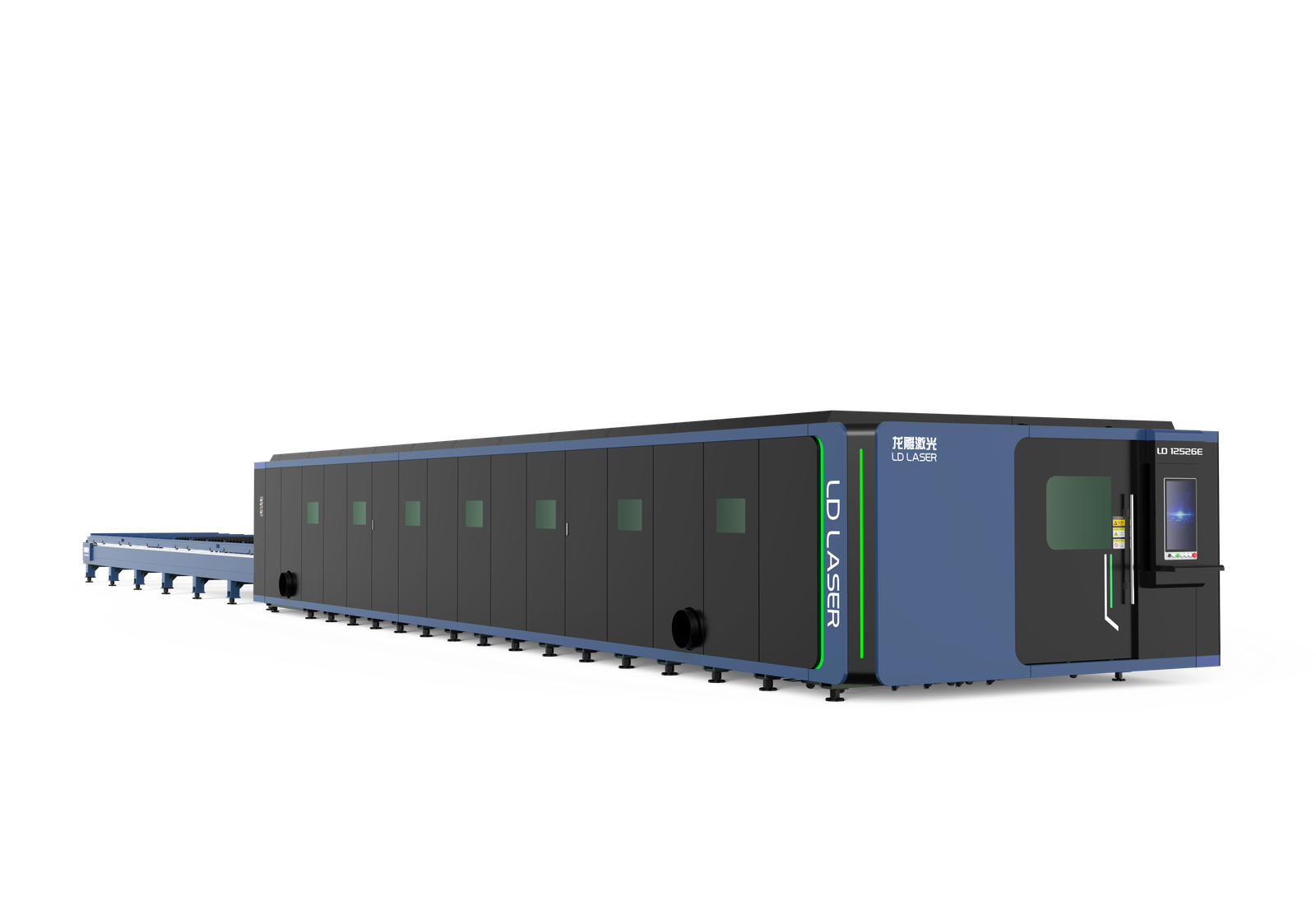
Modern laser cutting manufacturing faces critical sustainability challenges as потребление энергии и материальные отходы continue to impact operational costs and environmental footprints. Recent industry data indicates that traditional laser systems operate at 40-60% efficiency, leaving substantial room for improvement through innovative technologies. The integration of smart power management and waste heat recovery systems presents promising opportunities to transform manufacturing processes while meeting increasingly stringent environmental standards.
Основные выводы
Smart power management systems with automated scaling and dynamic beam adjustment can reduce laser cutting energy consumption by up to 30%.
Advanced fiber laser systems consume 70% less energy than CO2 lasers while providing superior beam quality and longer service life.
Waste heat recovery methods, including heat exchangers and absorption chillers, can achieve up to 60% energy recovery efficiency.
Closed-loop cooling systems reduce water consumption by 90% while maintaining precise temperature control within ±0.5°C tolerance.
Implementation of energy-efficient solutions leads to 15-40% reduced operational costs with ROI typically achieved within 18-24 months.
The Environmental Impact of Traditional Laser Cutting Systems
В то время как технология лазерной резки has revolutionized manufacturing processes, traditional laser cutting systems pose several environmental challenges. These systems consume substantial amounts of electricity, with typical industrial lasers requiring 10-30 kW of power during operation. The high energy consumption directly contributes to increased carbon footprints and elevated emission levels in manufacturing facilities.
Traditional laser cutting operations also generate hazardous byproducts, including metal fumes, particulate matter, and waste heat. The cooling systems essential for laser operation contribute to resource depletion through extensive water usage, often requiring 5-10 gallons per minute. Additionally, the disposal of spent assist gases, cutting beds, and worn components creates ongoing waste management challenges. The maintenance requirements and limited lifespan of conventional laser components further compound these environmental impacts through increased material consumption and disposal needs.
Smart Power Management Technologies in Modern Laser Equipment
Recent advancements in smart power management systems address many of the environmental challenges posed by traditional laser cutting equipment. Modern laser systems integrate smart sensors that continuously monitor power consumption patterns and automatically adjust energy usage during both active cutting and standby phases.
Energy analytics software platforms analyze real-time operational data to enhance power distribution across different system components. These systems can reduce потребление энергии by up to 30% through automated power scaling, selective component shutdown, and predictive maintenance scheduling. Smart power management technologies also enable dynamic beam power adjustment based on material thickness and cutting parameters, ensuring efficient energy utilization. Additionally, integrated thermal management systems recover and redistribute waste heat, further improving overall system efficiency while maintaining precise cutting performance.
Waste Heat Recovery and Energy Recycling Methods
Industrial laser cutting systems generate substantial waste heat during operation, presenting valuable opportunities for energy recovery and recycling. Through thermal energy integration and advanced waste reduction strategies, manufacturers can notably improve their энергоэффективность while reducing operational costs.
Key waste heat recovery methods include:
- Heat exchanger systems that capture and redirect thermal energy to facility heating, reducing HVAC energy consumption by up to 30%
- Absorption chillers converting waste heat into cooling power, achieving 45-60% recovery efficiency
- Organic Rankine Cycle (ORC) systems transforming low-grade heat into electrical power, with conversion rates of 15-20%
- Thermal storage solutions enabling recovered heat utilization during non-operational hours, storing up to 85% of captured energy
These integrated approaches maximize resource utilization while minimizing environmental impact in laser cutting operations.
Optimizing Material Usage and Reducing Scrap
Effective material utilization in laser cutting operations can reduce scrap rates from typical levels of 15-20% down to 8-12% through strategic enhancement approaches. Advanced nesting software algorithms maximize material efficiency by arranging parts efficiently on raw stock, while considering grain direction and thermal effects. Real-time monitoring systems track material usage patterns and identify opportunities for scrap reduction.
Key enhancement techniques include common-line cutting, where adjacent parts share cut lines, and dynamic remnant management that catalogs and reuses viable material segments. Implementation of just-in-time processing helps minimize excess inventory and associated waste. Additionally, automated material handling systems reduce damage during transport and storage, while precision calibration of laser parameters guarantees consistent cut quality, minimizing rejected parts and rework requirements.
Energy-Efficient Cooling Solutions for Laser Systems
Modern laser cutting facilities implement closed-loop cooling systems that recycle and reuse coolant, reducing water consumption by up to 90% compared to open-loop systems. Energy recovery through advanced chiller technologies captures and repurposes waste heat, achieving thermal efficiency ratings of 85% or higher. Smart temperature control systems utilize AI-driven algorithms to optimize cooling parameters in real-time, resulting in 15-30% reduced energy consumption while maintaining precise operating temperatures.
Closed-Loop Cooling Systems
Closed-loop cooling systems represent an essential advancement in thermal management for laser cutting operations, reducing water consumption by up to 95% compared to traditional open-loop designs. The closed loop efficiency enables continuous recirculation of coolant through specialized heat exchangers, minimizing environmental impact while maintaining ideal operating temperatures.
Современный cooling technology implementations offer several quantifiable benefits:
- Reduces annual water consumption from 12,000 gallons to approximately 600 gallons per laser system
- Maintains consistent temperature control within ±0.5°C tolerance
- Decreases energy usage by 40% through intelligent pump cycling and flow optimization
- Extends laser system component life by 30% through superior contamination control and water quality management
These systems integrate seamlessly with predictive maintenance protocols, enabling real-time monitoring of coolant conditions and system performance metrics.
Energy Recovery Through Chillers
While traditional cooling methods waste significant thermal energy, chiller-based energy recovery systems in laser cutting operations can recapture up to 85% of excess heat for facility heating, water preheating, or auxiliary industrial processes.
Modern chiller efficiency has advanced through sophisticated heat exchangers и variable-speed compressors that automatically adjust to thermal loads. These systems integrate seamlessly with building management controls, enabling real-time energy optimization across facility operations. The recovered thermal energy can maintain consistent temperatures in production areas, supply hot water for cleaning processes, or support adjacent manufacturing operations.
Advanced chillers also incorporate free cooling modes during cooler seasons, bypassing compressor operation when ambient temperatures permit. This feature further reduces energy consumption while maintaining the precise temperature control required for laser cutting systems.
Smart Temperature Control Optimization
Building upon the efficiency gains of chiller systems, smart temperature control optimization represents the next evolution in laser cutting thermal management. Advanced algorithms and sensors enable precise thermal regulation while minimizing energy consumption. Smart thermal management systems continuously analyze operational parameters to maintain ideal cutting conditions.
Key improvements through intelligent cutting strategies include:
- Real-time temperature monitoring reduces cooling energy usage by 35%
- Predictive maintenance algorithms prevent 92% of thermal-related failures
- Dynamic power adjustment based on material thickness saves 28% energy
- Automated thermal zone control decreases coolant consumption by 40%
These data-driven optimizations guarantee consistent cut quality while greatly reducing the environmental impact of laser cutting operations. Integration with facility-wide energy management systems enables coordinated efficiency improvements across the manufacturing process.
Advanced Motion Control for Reduced Power Consumption
Through sophisticated motion control algorithms, modern laser cutting systems can considerably reduce power consumption while maintaining precise cutting performance. Motion sensor integration enables real-time adjustments to acceleration and deceleration profiles, minimizing energy waste during directional changes. Precision alignment techniques further optimize path planning, reducing unnecessary movements and associated power draw.
| Характеристика | Energy Impact | Implementation Method |
|---|---|---|
| Adaptive Acceleration | -15% consumption | Dynamic speed profiles |
| Path Optimization | -20% consumption | AI-driven routing |
| Servo Efficiency | -12% consumption | Smart torque control |
| Idle State Management | -18% consumption | Automated standby |
| Motion Prediction | -10% consumption | Predictive algorithms |
Advanced motion controllers continuously monitor system parameters, adjusting power delivery based on material thickness, cut complexity, and process requirements, resulting in optimized energy utilization across all operational phases.
Green Manufacturing Certifications and Standards
Manufacturing facilities pursuing sustainability in laser cutting operations can align with ISO 14001 environmental management standards and ISO 50001 energy management systems. These certifications establish frameworks for monitoring environmental impact, energy consumption, and waste reduction throughout the production process. Studies indicate that ISO-certified manufacturers experience an average 23% reduction in energy costs and qualify for environmental compliance incentives, offsetting the initial certification investment of $5,000-$50,000.
ISO Standards Overview
International Organization for Standardization (ISO) standards relevant to sustainable laser cutting operations encompass several key certifications, including ISO 14001 for environmental management systems, ISO 50001 for energy management, and ISO 14955 for environmental evaluation of machine tools.
ISO compliance requires manufacturers to meet specific sustainability metrics and demonstrate continuous improvement in environmental performance. The standards framework provides:
- Quantifiable benchmarks for energy consumption reduction in laser cutting processes
- Documented procedures for waste minimization and material optimization
- Systematic approaches to measuring and reducing environmental impact
- Standardized methods for calculating and reporting carbon footprint data
These requirements enable organizations to implement structured environmental management systems, optimize resource utilization, and maintain consistent sustainability performance across global operations while meeting international regulatory requirements.
Certification Cost Benefits
While implementing green manufacturing certifications requires initial investment, companies adopting ISO standards for laser cutting operations typically achieve significant cost benefits within 2-3 years of certification. Statistical data indicates that certified facilities report 15-20% reduction in потребление энергии and 25-30% decrease in material waste, translating to substantial operational savings.
Certification advantages extend beyond direct cost savings, encompassing improved market access, reduced insurance premiums, and enhanced regulatory compliance. Companies with ISO 14001 certification demonstrate average annual savings of $25,000-$50,000 through optimized resource management. Additional benefits include decreased environmental penalties, lower waste disposal costs, and improved equipment longevity through standardized maintenance protocols. The systematic approach required by certification processes also leads to more efficient workflow patterns, reducing production time and associated labor costs.
Cost Benefits of Energy-Efficient Laser Operations
Economic analysis demonstrates that energy-efficient laser cutting operations can reduce operational costs by 15-40% compared to conventional systems. The implementation of optimized laser systems yields substantial cost savings through enhanced operational efficiency and reduced energy consumption.
Key financial benefits of energy-efficient laser operations include:
- Average annual utility cost reduction of $42,000 through implementation of power-saving laser resonators
- 30% decrease in maintenance expenses due to reduced thermal stress on components
- Return on investment within 18-24 months through reduced energy consumption and improved throughput
- Carbon tax savings of up to $15,000 annually in jurisdictions with emissions regulations
These quantifiable advantages make energy-efficient laser systems an essential investment for manufacturing facilities seeking to optimize their operational costs while maintaining production quality.
Next-Generation Eco-Friendly Laser Technologies
Next-generation laser cutting technologies prioritize environmental sustainability through advanced fiber laser systems that reduce energy consumption by up to 70% compared to conventional CO2 lasers. Modern fiber laser systems integrate seamlessly with renewable power sources and smart grid technologies, enabling facilities to operate on clean energy. Green power supply systems, incorporating energy storage and real-time load management, optimize power delivery while minimizing environmental impact through reduced carbon emissions and waste heat generation.
Fiber Laser Advancements
Recent advancements in fiber laser technology have revolutionized sustainable manufacturing through significant improvements in энергоэффективность и resource utilization. These fiber laser innovations have demonstrated superior performance metrics while reducing environmental impact across industrial applications.
Key developments in sustainable fiber laser systems include:
- 40% reduction in energy consumption compared to conventional CO2 lasers, resulting in decreased carbon footprint
- Enhanced beam quality with wall-plug efficiency reaching 50%, maximizing material processing efficiency
- Compact design architecture requiring 70% less floor space, optimizing facility resource allocation
- Extended service life of up to 100,000 hours, minimizing replacement part waste and maintenance requirements
These technological improvements enable manufacturers to achieve higher production outputs while maintaining stringent environmental standards and reducing operational costs through improved resource management.
Green Power Supply Systems
Three pioneering developments in green power supply systems are reshaping the landscape of sustainable laser cutting operations. The first involves renewable energy integration through smart grid systems that automatically switch between solar and wind power sources, optimizing energy consumption during peak cutting periods. Second, sustainable power sourcing implements advanced energy storage solutions, utilizing high-capacity lithium-ion batteries that capture excess renewable energy for use during non-peak generation times. The third development features intelligent power management systems that analyze cutting patterns to minimize energy waste, reducing overall consumption by up to 40%. These innovations enable manufacturing facilities to maintain consistent power supply while greatly decreasing their carbon footprint, with some facilities achieving 85% renewable energy utilization in their laser cutting operations.
Implementing Sustainable Practices in Production Workflows
Transforming laser cutting operations into sustainable workflows requires systematic implementation of resource-optimizing protocols across the production chain. Production efficiency metrics indicate that integrated sustainability measures can reduce operational waste by up to 35% while maintaining quality standards.
Key sustainable workflow implementations include:
- Real-time monitoring systems that track material consumption and adjust cutting parameters to minimize waste
- Automated nesting algorithms that optimize material utilization, achieving up to 85% material efficiency
- Integration of sustainable materials and recycling processes into standard operating procedures
- Implementation of predictive maintenance schedules to reduce energy consumption and extend equipment lifecycle
These data-driven approaches enable manufacturers to quantify sustainability improvements while maintaining competitive production rates. Regular analysis of workflow metrics guarantees continuous optimization of resource utilization and validates the effectiveness of implemented sustainability measures.
Заключение
As manufacturers ironically discover that saving the planet also saves money, laser cutting sustainability emerges as the industry’s unexpected profit center. Data shows a 30% reduction in energy costs through smart power management, while waste heat recovery systems transform yesterday’s inefficiencies into tomorrow’s resources. The future of manufacturing apparently lies in the delightfully paradoxical notion that environmental responsibility drives bottom-line growth.