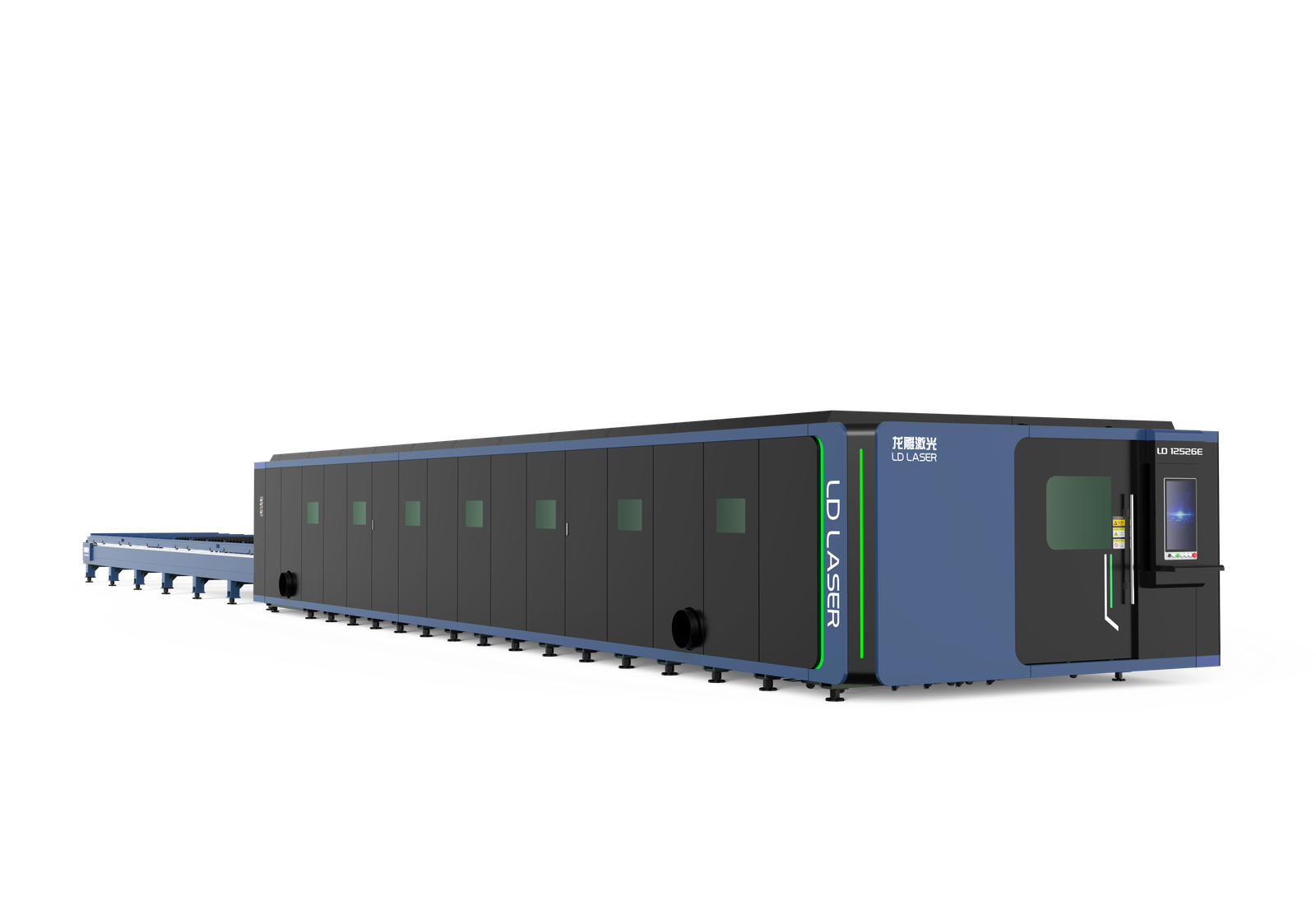
The evolution of технология лазерной резки has brought forth two distinct machine configurations, each presenting unique safety and environmental implications. Enclosed systems incorporate thorough protection features, while open structures offer operational flexibility at the expense of increased risk exposure. This fundamental design difference affects workplace safety protocols, emission control capabilities, and regulatory compliance requirements. Understanding these contrasting approaches proves essential for manufacturing facilities seeking to balance operational efficiency with worker protection and environmental responsibility.
Основные выводы
Enclosed systems provide superior laser beam containment through Class 1 shielding, while open structures require additional operator safety measures.
Enclosed machines offer better fume control through integrated HEPA filtration systems, reducing workplace exposure to harmful emissions.
Open structures typically cost less initially but may require higher long-term expenses for safety compliance and environmental protection.
Enclosed systems provide comprehensive operator protection through interlocked access panels and automated emergency shutdown features.
Open structures allow easier material handling and maintenance access but increase risks of environmental contamination and workplace hazards.
Key Safety Features and Protection Mechanisms
Modern laser cutting machines incorporate multiple integrated safety features designed to protect operators from hazardous radiation exposure, toxic fumes, and mechanical risks. Essential components include Class 1 laser shielding enclosures that prevent beam escape, interlocked access panels that trigger automatic shutdown when opened, and emergency shutdown systems with prominently positioned buttons for rapid power termination.
These machines utilize multi-stage ventilation systems with HEPA filtration to extract harmful fumes and particulates. Advanced models feature real-time monitoring systems that detect enclosure breaches, beam misalignment, or filtration system failures. Mechanical safeguards include motion detection sensors that halt operation when movement is detected in restricted zones, while integrated warning lights and audio alarms alert operators to potentially unsafe conditions.
Environmental Impact and Emission Control
While safety measures protect operators and immediate workspace environments, laser cutting operations generate broader environmental impacts that require careful management and monitoring. Modern laser systems integrate emission reduction technologies and environmental sustainability features to minimize their ecological footprint.
| Impact Type | Control Measure | Compliance Requirement |
|---|---|---|
| Air Emissions | HEPA Filtration | EPA Clean Air Standards |
| Waste Material | Recycling Systems | Local Disposal Regulations |
| Energy Usage | Power Management | Energy Efficiency Guidelines |
| Noise Pollution | Acoustic Insulation | OSHA Noise Standards |
| Chemical Waste | Treatment Systems | Hazardous Material Laws |
These environmental considerations necessitate implementation of robust emission control systems, including fume extraction units, particulate filters, and waste material recovery processes. Facilities must regularly monitor air quality, maintain filtration systems, and document compliance with environmental regulations to guarantee sustainable operation of laser cutting equipment.
Workplace Hazard Management
Effective workplace hazard management in laser cutting operations requires a thorough risk assessment protocol and implementation of multi-layered safety controls. Organizations must establish systematic hazard identification procedures that address both routine operations and potential emergency scenarios. This includes evaluating machine-specific risks, operator exposure levels, and facility-wide safety considerations.
Key components of workplace hazard management include regular safety audits, documented risk assessments, and implementation of engineering controls such as ventilation systems and machine guards. Standard operating procedures must outline emergency response protocols, maintenance requirements, and proper use of personal protective equipment. Special attention should be given to controlling access to laser cutting areas, maintaining warning systems, and ensuring proper training for all personnel who work with or near laser cutting equipment.
Regulatory Compliance and Industry Standards
Compliance with regulatory standards forms the foundation of safe laser cutting operations across industries. Manufacturers must adhere to stringent regulatory guidelines while maintaining current industry certifications to guarantee operational safety and legal conformity.
| Standard Type | Requirements |
|---|---|
| ISO 11553-1 | Safety of machinery – laser processing equipment |
| EN 12100 | Risk assessment and reduction |
| FDA 21 CFR | Laser product performance standards |
| IEC 60825-1 | Laser product safety classifications |
| OSHA 1910.217 | Machine guarding requirements |
Organizations must implement thorough compliance programs that address both enclosed and open structure laser cutting systems. These programs should incorporate regular audits, documentation maintenance, and certification updates to meet evolving safety standards. Equipment modifications or upgrades require reassessment of compliance status to maintain operational authorization and workplace safety certifications.
Cost-Benefit Analysis of Safety Systems
The implementation of thorough safety systems in laser cutting operations requires careful финансовый анализ to balance protective measures against operational costs. When conducting an efficiency evaluation, manufacturers must consider both direct expenses, such as safety enclosures and ventilation systems, and indirect costs like maintenance, training, and potential production slowdowns.
Cost comparison studies indicate that while enclosed systems typically require higher initial investment, they often yield long-term savings through reduced insurance premiums, lower liability risks, and decreased workplace incidents. Organizations must quantify the financial impact of safety measures against potential losses from accidents, regulatory fines, and production interruptions. This analysis should incorporate factors such as equipment lifespan, workforce protection requirements, and environmental compliance costs to determine the ideal safety infrastructure investment.
Заключение
Safety analysis demonstrates that enclosed laser cutting machines consistently outperform open structures in minimizing workplace hazards and environmental impacts. Through integrated protection systems, controlled ventilation, and standardized safety protocols, enclosed systems achieve superior regulatory compliance while reducing operator risk exposure. Despite higher initial costs, the documented benefits in risk mitigation and operational efficiency validate the investment in enclosed laser cutting technology.