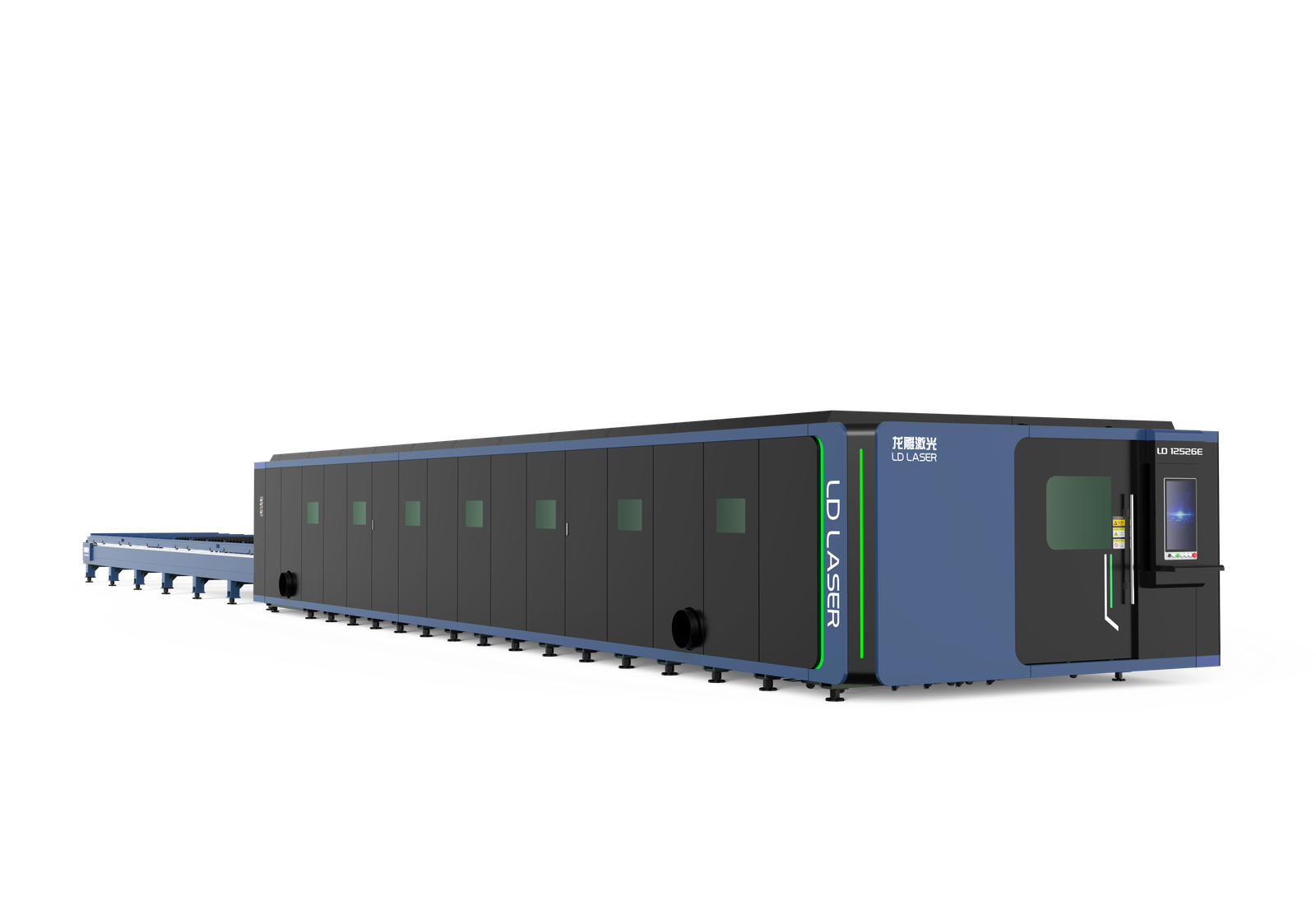
The selection between single and dual platform laser cutters represents a critical decision point in manufacturing efficiency optimization. Industry data indicates a direct correlation between platform configuration и operational outcomes, with space utilization varying by 30-40% between systems. While single platforms offer streamlined processes in compact environments, dual systems demonstrate superior throughput capabilities of up to 85% in high-volume applications. These contrasting attributes warrant careful analysis across multiple operational parameters.
Основные выводы
Single platforms require 30-40% less floor space (25-35 square meters) compared to dual platforms (45-60 square meters).
Dual platform systems achieve 85% higher throughput, processing 12-15 parts per hour versus 7-8 parts for single platforms.
Single platforms offer streamlined user interface and reduced setup time, while dual platforms provide superior operational flexibility.
Dual platforms enable concurrent loading and cutting operations, reducing downtime by up to 40% in high-volume environments.
Single platforms are more cost-efficient for standardized processes, while dual platforms excel in high-volume manufacturing despite higher maintenance needs.
Understanding the Core Differences Between Single and Dual Platforms
The fundamental distinction between single and dual platform laser cutters lies in their material processing configuration. Single platform advantages include streamlined user interface integration, reduced setup time, и enhanced cost efficiency for smaller operations. These systems typically offer consistent throughput reliability within their operational parameters.
Dual platform configurations, while providing superior operational flexibility and expanded material compatibility, present certain disadvantages including increased maintenance requirements and more complex calibration procedures. The precision capabilities remain comparable between both systems when utilizing similar laser technology, though dual platforms often require additional monitoring protocols. The choice between configurations ultimately depends on production volume requirements and specific application needs, with single platforms generally proving more efficient for standardized processes and dual platforms offering greater versatility for diverse manufacturing demands.
Space Requirements and Facility Layout Considerations
When planning facility layouts for laser cutting equipment, space requirements differ considerably between single and dual platform systems. Single platform units typically require 30-40% less floor space, enabling more efficient space arrangement in compact facilities. The standard footprint ranges from 25-35 square meters, including operational clearance zones.
Dual platform systems demand broader workflow spatiality, typically requiring 45-60 square meters for ideal operation. However, facility planning must consider that dual platforms often eliminate the need for additional staging areas, potentially offsetting their larger footprint. Layout efficiency calculations should account for material handling paths, maintenance access, and safety corridors. When analyzing total space utilization, facilities must evaluate both the direct equipment footprint and associated workflow requirements to determine the most space-efficient configuration.
Production Output and Throughput Analysis
Production metrics reveal significant differences in output capabilities between single and dual platform laser cutting systems. The production cycle for dual platform systems demonstrates up to 85% higher throughput compared to single platform configurations, primarily due to concurrent loading and cutting operations. While one platform undergoes the cutting process, operators can simultaneously prepare the next workpiece, eliminating traditional downtime.
Output comparison data indicates that dual platform systems can process 12-15 parts per hour versus 7-8 parts for single platform units under identical cutting parameters. This efficiency gain is particularly evident in high-volume manufacturing environments where continuous operation is essential. However, these advantages must be weighed against increased initial investment and maintenance requirements to determine the best system selection based on specific production demands.
Operating Costs and Return on Investment
Operating costs between single and dual platform laser cutters reveal significant differences in maintenance schedules, energy consumption, and resource allocation. Analysis of production time versus expenses indicates dual platform systems require 15-25% higher initial maintenance investment but demonstrate 30-40% greater эффективность работы over extended periods. The return on investment calculation must factor in the increased throughput capacity, reduced downtime during maintenance cycles, and the system’s total cost of ownership across its operational lifespan.
Maintenance and Energy Costs
Понимание maintenance and energy costs is essential for determining the total cost of ownership between single and dual platform laser cutters. Energy efficiency analysis reveals that dual platforms typically consume 15-25% more power due to additional motors and cooling systems. However, maintenance scheduling can be optimized as one platform remains operational during servicing of the other.
Cost analysis indicates that while dual platforms require higher initial resource allocation for parts inventory, their enhanced downtime management capabilities often result in better operational sustainability. Preventive strategies are more complex for dual systems, requiring coordinated maintenance protocols and specialized technician training. Lifecycle costs generally favor single platforms regarding simplicity, but dual platforms can offset higher maintenance expenses through improved production continuity and reduced overall system stress when workload is distributed effectively.
Production Time Vs Expenses
The relationship between время производства и operating expenses forms a key metric in evaluating laser cutter investments. Dual platform systems typically demonstrate higher initial costs but achieve superior production efficiency through parallel processing capabilities, potentially reducing operational hours by 40-60% compared to single platform units.
Cost analysis reveals that while dual platform systems require approximately 30% more upfront capital, their ability to process multiple workpieces simultaneously can offset expenses within 12-18 months of operation. Single platform systems, though less expensive initially, may incur higher per-unit costs due to sequential processing limitations. When factoring in labor costs, energy consumption, and throughput rates, dual platform systems often achieve break-even points faster in high-volume production environments, despite their premium price point.
Long-term Investment Analysis
Тщательный investment analysis spanning 5-7 years reveals distinct cost-benefit patterns between single and dual platform laser cutters. Initial acquisition costs for dual platforms are typically 60-80% higher, but their эффективность работы can yield faster returns through increased production capacity. Cost forecasting models indicate that dual platforms generally achieve ROI within 3.5-4 years, compared to 2.5-3 years for single platforms.
The investment duration analysis must factor in maintenance requirements, with dual platforms requiring 40% more annual maintenance expenditure. However, their ability to handle concurrent operations often offsets these costs through improved throughput. Energy consumption metrics show dual platforms consuming 75% more power, yet delivering up to 90% higher output capacity when fully utilized.
Maintenance Requirements and System Reliability
While both single and dual platform laser cutters require regular maintenance, their reliability profiles and service requirements differ considerably. Single platform systems typically demand less intensive system upkeep due to fewer moving parts and simpler mechanical configurations. Their maintenance schedules generally focus on lens cleaning, alignment checks, и cooling system inspection at 3-4 month intervals.
Dual platform systems incorporate additional components, including secondary motion controls and automated transfer mechanisms, necessitating more frequent maintenance cycles. However, this complexity often translates to enhanced equipment lifespan through built-in redundancy. Statistical data indicates that dual platform systems experience 15% fewer critical failures, despite requiring 40% more maintenance hours annually. The key factor in reliability remains adherence to manufacturer-specified maintenance protocols and prompt addressing of wear indicators.
Workflow Integration and Material Handling
Manufacturing facilities integrating системы лазерной резки must carefully evaluate workflow configurations based on production volume and material handling requirements. Single platform systems offer streamlined material logistics with one loading/unloading point, ideal for smaller operations or specialized production lines. Dual platform configurations enable concurrent processing, allowing operators to load materials on one platform while cutting occurs on the other.
The choice between platforms markedly impacts workflow efficiency. Single platform systems require sequential processing, potentially creating bottlenecks during material changeover. Dual platforms facilitate continuous operation through parallel processing, reducing downtime by up to 40% in high-volume environments. Material handling automation options also differ, with dual platforms typically offering more sophisticated integration possibilities for robotic loading systems and conveyor networks.
Industry Applications and Use Case Studies
Laser cutting platforms serve distinct roles across diverse industrial sectors, with application requirements determining ideal system configurations. In automotive manufacturing, dual platforms enable simultaneous processing of body panels and interior components, while single platforms suffice for targeted product prototyping. Packaging solutions benefit from single platform efficiency in high-volume corrugated processing, whereas furniture design often requires dual systems for handling varied materials and sizes.
Aerospace components demand precise dual platform setups for processing specialized alloys, while custom signage typically utilizes single platforms for cost-effective operations. Jewelry creation relies on compact single platforms for intricate detailing, and educational projects commonly employ single systems for versatility and space conservation. Each sector’s specific demands influence the choice between single and dual configurations, optimizing throughput and эффективность работы.
Заключение
Like choosing between a solo performer and a duet, selecting the ideal laser cutting platform requires careful evaluation of operational needs. Data indicates that single platform systems deliver 30-40% space savings and streamlined workflows for smaller operations, while dual platforms achieve up to 85% higher throughput for large-scale production. The decision ultimately hinges on quantifiable metrics of space constraints, production volume, and ROI requirements.