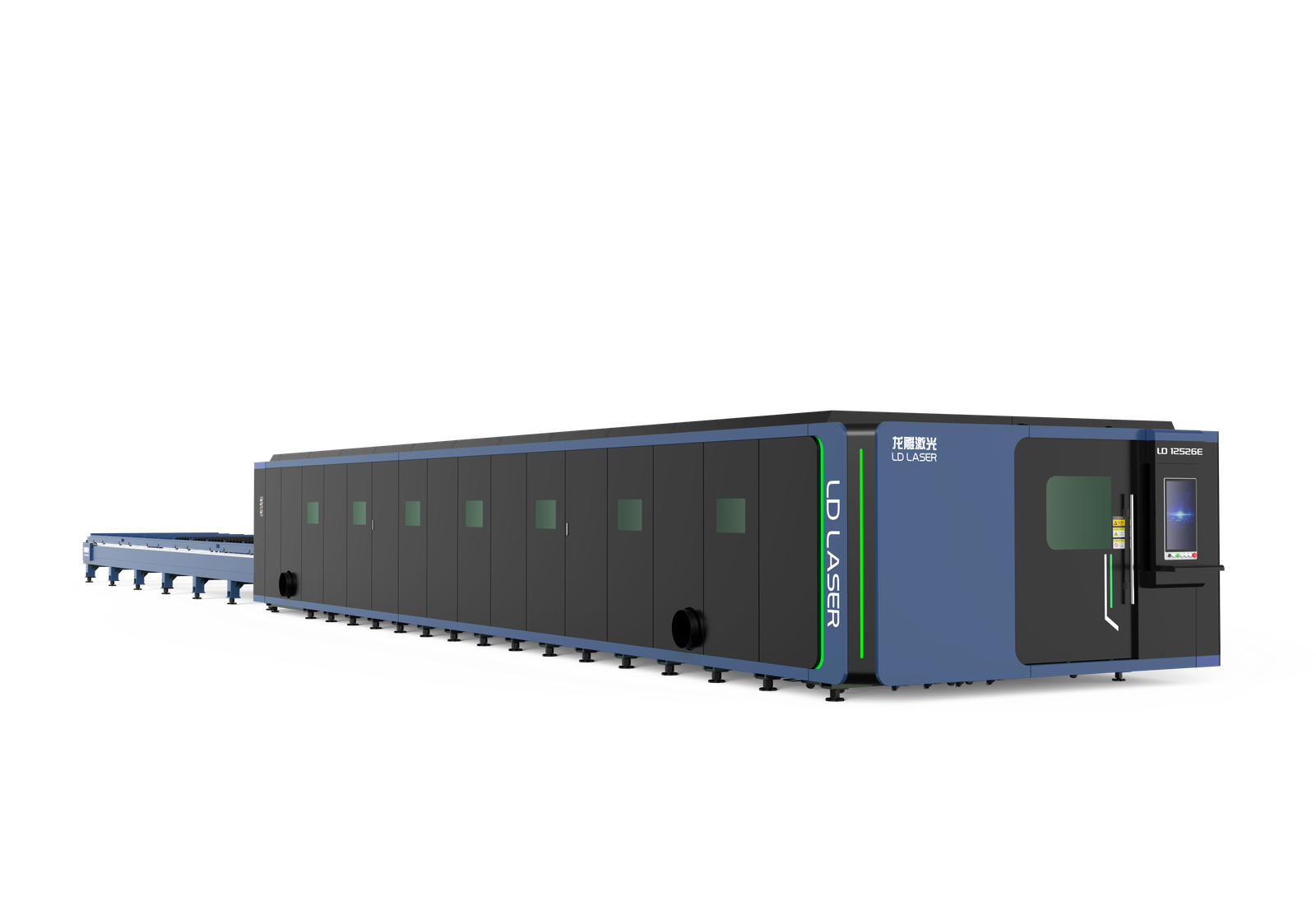
While choosing the right laser cutting machine requires technical expertise, finding where to purchase one demands equal strategic consideration. You’ll encounter options ranging from direct manufacturer sales to online marketplaces, each presenting distinct advantages in pricing, support, and warranty coverage. The purchasing channel you select will considerably impact your machine’s total cost of ownership, delivery timeline, and long-term operational success—making this decision as critical as the equipment specifications themselves.
Ključne ugotovitve
Buy directly from manufacturers or authorized dealers for cost savings, technical support, and warranty coverage with faster response times.
Purchase through e-commerce platforms like Amazon Business and Alibaba for competitive pricing and easy specification comparison with seller ratings.
Consider specialized laser equipment retailers for technical expertise, industry-specific configurations, and preventive maintenance programs to reduce downtime.
Explore used equipment dealers and industrial auctions for significant cost savings of 40-70% below market value on refurbished machines.
Visit trade shows like FABTECH or contact local machine tool suppliers for hands-on evaluation, demonstrations, and immediate accessibility.
Direct From Manufacturers
Purchasing directly from manufacturers eliminates intermediary markups and provides access to the most current machine specifications and configurations. You’ll receive extensive technical documentation, warranty coverage, and direct communication channels with engineering teams who understand your specific cutting requirements.
Manufacturers offer custom machine solutions tailored to your material types, thickness ranges, and cutting speeds. You can specify bed sizes, laser power outputs, and automation features that align with your operational needs. This customization guarantees peak performance for your applications.
Direct purchasing supports production scalability through established service networks and parts availability. Manufacturers provide training programs, maintenance schedules, and upgrade pathways that protect your investment long-term. You’ll access volume pricing for multiple units and negotiate payment terms directly.
Compare lead times, as manufacturers often prioritize large orders. Request demonstrations at their facilities to evaluate build quality, software interfaces, and cutting precision before committing to purchase agreements.
Authorized Dealers and Distributors
Authorized dealers and distributors offer regional expertise and localized support that complements direct manufacturer relationships. You’ll benefit from faster response times, on-site service capabilities, and inventory availability within your geographic area. These partners maintain technical certifications and stock replacement parts, reducing your machine downtime.
Evaluate dealer reputation through customer testimonials, service response metrics, and technical expertise verification. Strong dealers provide thorough training programs, warranty supportin financing options tailored to regional market conditions. They understand local regulations, power requirements, and installation challenges specific to your area.
Research the distributor network’s coverage area and service capabilities before purchasing. Well-established networks offer consistent support quality across multiple locations. You’ll often find competitive pricing through authorized channels, as dealers leverage volume purchasing agreements with manufacturers. Consider dealers who specialize in your industry sector, as they’ll understand your specific application requirements and workflow integration needs.
Online Marketplaces and E-commerce Platforms
Našli boste laser cutting machines on major e-commerce platforms like Amazon, eBay, and Alibaba, each offering different price points and supplier networks. These platforms require careful evaluation of seller ratings, shipping costs, and warranty terms before you commit to a purchase. Focus on verified suppliers with established track records and clear return policies to minimize your investment risk.
Popular Platform Options
When evaluating where to purchase your laser cutting machine, online marketplaces and e-commerce platforms offer the extensive selection with competitive pricing structures. You’ll find thorough user reviews and community recommendations that inform critical purchasing decisions.
Consider these primary platforms for equipment sourcing:
- Amazon Business – Provides detailed specifications, verified buyer feedback, and expedited shipping options for commercial-grade laser systems
- Alibaba – Connects you directly with manufacturers, enabling bulk pricing negotiations and customization requests for industrial applications
- eBay – Offers both new and refurbished units with auction-style pricing that can greatly reduce acquisition costs
These platforms aggregate multiple suppliers, allowing you to compare technical specifications, warranty terms, and pricing structures efficiently. You’ll access transparent feedback systems that reveal real-world performance data from actual operators.
Buying Process Tips
How can you navigate the complexities of online laser cutting machine purchases while minimizing risks and maximizing value? Start by establishing clear budget considerations before browsing platforms. Document your required machine specifications, including cutting area, laser power, and material compatibility. Request detailed technical documentation from sellers, including certifications, warranty terms, and maintenance requirements.
Verify seller credentials through platform ratings, customer reviews, and business registration. Compare total costs including shipping, installation, and training expenses. Request video demonstrations or live calls to inspect machine operation and build quality.
Negotiate payment terms that protect your investment—use escrow services for large purchases. Schedule delivery coordination with your facility requirements. Establish post-purchase support protocols, including technical assistance and parts availability, before finalizing transactions.
Specialized Laser Equipment Retailers
Našli boste specialized laser equipment retailers offer deeper tehnično znanje in izkušnje than general machinery dealers, providing extensive support from initial specification through ongoing maintenance. These vendors typically stock industry-specific configurations for metalworking, woodworking, or textile applications, allowing you to compare machines optimized for your exact production requirements. You’ll access advanced features like multi-axis cutting heads, automated material handling systemsin precision optics that aren’t readily available through broader marketplaces.
Expert Technical Support
Ker je na spletni strani laser cutting systems zahtevajte ongoing maintenance and troubleshooting expertise, specialized equipment retailers provide the technical depth that general machinery dealers can’t match. You’ll receive thorough technical guidance from engineers who understand beam alignment, power calibration, and cutting parameter optimization.
These retailers offer three critical support advantages:
- Factory-trained technicians who provide immediate troubleshooting assistance for complex mechanical and software issues
- Application-specific expertise to optimize cutting parameters for your materials and thickness requirements
- Preventive maintenance programs that reduce downtime costs and extend equipment lifespan
You’re investing in more than equipment—you’re securing access to specialized knowledge that prevents costly production interruptions. This technical partnership becomes invaluable when precision tolerances or production deadlines are critical to your operations.
Industry-Specific Equipment Options
Why settle for generic laser systems when specialized equipment retailers offer machines engineered for your specific industry requirements? These retailers focus on custom cutting solutions tailored to automotive, aerospace, medical, or textile sectors. You’ll find machines with enhanced material compatibility for your industry’s unique substrates—whether you’re processing titanium alloys, carbon fiber composites, or specialized fabrics.
Industry-focused dealers understand your production workflows in . regulatory requirements. They’ll recommend laser parameters, cutting speeds, and beam configurations optimized for your applications. You’ll receive pre-configured software packages with industry-standard cutting libraries, reducing setup time and minimizing trial-and-error costs.
These specialized retailers often maintain smaller inventories but offer deeper technical expertise. Expect higher upfront costs offset by reduced commissioning time and optimized performance for your specific manufacturing processes.
Advanced Machine Configurations
When you’re ready to move beyond standard configurations, specialized laser equipment retailers offer advanced machine setups that integrate multiple cutting technologies within single platforms. These dealers focus on intricate machine specifications that combine fiber, CO2, and plasma cutting capabilities in hybrid systems.
Advanced configuration options include:
- Multi-axis gantry systems with rotary attachments for tube and pipe processing
- Automated material handling featuring conveyor integration and robotic loading systems
- Dual-head configurations enabling simultaneous cutting operations across different material zones
You’ll find these specialized retailers typically require 30-45 day lead times for custom builds. Pricing ranges from $150,000-$500,000 depending on configuration complexity. They provide thorough commissioning services and operator training programs. Consider your production volume requirements carefully, as these advanced systems demand significant capital investment but deliver superior throughput capabilities.
Industrial Equipment Auctions
Čeprav je industrial equipment auctions require more patience than direct purchases, they offer substantial cost savings on laser cutting machines. You’ll find competitive bidding environments where machines sell for 40-70% below market value.
Research auction houses specializing in manufacturing equipment like Ritchie Bros, Machinery Network, or local liquidation companies. Review machine histories, operating hours, and maintenance records before bidding. Inspect equipment personally when possible—check laser tube condition, cutting head alignment, and control system functionality.
Factor in additional costs: transportation, installation, and potential repairs. You’re responsible for equipment maintenance immediately after purchase, so budget for servicing and calibration. Verify industrial safety compliance, as older machines may require upgrades to meet current standards.
Set firm bidding limits and stick to them. Popular models generate intense competition, driving prices higher. Time your participation strategically—attend multiple auctions to understand market pricing before committing to significant purchases.
Used Equipment Dealers
Specialized dealers provide a middle ground between auction uncertainty and new equipment costs, offering refurbished laser cutting machines s spletno stranjo . warranties and technical support. These vendors focus exclusively on pre-owned industrial equipment, allowing you to evaluate used equipment reliability through detailed inspections and maintenance records.
When evaluating dealers, consider:
- Service history documentation – Request complete maintenance logs and previous owner information to assess machine condition accurately
- Warranty coverage terms – Compare protection periods, parts availability, and service response times across different dealers
- Technical certification standards – Verify that refurbishment processes include calibration testing and safety compliance verification
Used equipment pricing typically ranges from 40-70% of new machine costs, depending on age and condition. Reputable dealers often provide installation services, operator training, and ongoing maintenance contracts. You’ll benefit from their expertise in matching specific laser cutting requirements to available inventory, reducing procurement risks while maintaining budget constraints.
Trade Shows and Industry Exhibitions
Trade shows and industry exhibitions offer direct access to multiple laser cutting machine manufacturers under one roof, enabling you to compare technologies, negotiate pricing, and evaluate equipment performance through live demonstrations. You’ll witness cutting speeds, precision tolerances, and material capabilities firsthand rather than relying on specifications alone.
Major events like FABTECH, LASER World of PHOTONICS, and regional manufacturing exhibitions showcase latest innovations and established models. Product demonstrations allow you to test specific materials, thicknesses, and cutting patterns relevant to your applications. You can examine beam quality, edge finish, and processing speeds across different power levels.
Trade networking provides valuable connections with engineers, sales representatives, and existing users who share real-world performance data. Many exhibitors offer show-exclusive pricing, extended warranties, or bundled accessories. You’ll also discover financing options, service packages, and training programs. Document booth visits systematically, collecting technical specifications, pricing quotes, and delivery timelines to facilitate informed purchasing decisions after the event.
Local Machine Tool Suppliers
When evaluating laser cutting machine purchases, local machine tool suppliers provide immediate accessibility for equipment evaluation, faster delivery timelines, and ongoing technical support that eliminates shipping delays for service calls.
Local suppliers offer distinct operational advantages that directly impact your production efficiency in . cost structure. You’ll benefit from reduced transportation costs, quicker installation schedules, and immediate access to replacement parts inventory.
Key considerations when selecting local suppliers include:
- Service response times – Verify guaranteed response windows for emergency repairs and routine machine maintenance schedules
- Technical expertise depth – Assess their certified technician availability and manufacturer training certifications for your specific equipment models
- Parts inventory management – Confirm they maintain critical components in local stock to minimize downtime during repairs
You’ll also gain valuable face-to-face consultation opportunities for equipment upgrades and process optimization. Local suppliers typically offer competitive financing options and trade-in programs that aren’t available through distant distributors, improving your overall acquisition cost-effectiveness.
Leasing and Financing Companies
Beyond direct equipment purchases, leasing and financing companies offer structured payment solutions that preserve your working capital while securing advanced laser cutting technology. You’ll access predictable monthly payments instead of large upfront investments, improving cash flow management for operational expenses and growth initiatives.
Leasing benefits include potential tax advantages through operational lease deductions, equipment upgrades at lease-end, and maintenance packages bundled into payment structures. You’re not responsible for depreciation or disposal costs when technology becomes obsolete.
Financing options range from traditional equipment loans with competitive interest rates to specialized manufacturing finance programs. Many providers offer deferred payment schedules, seasonal payment adjustments, and stepped payment plans aligned with production ramp-up timelines.
Equipment finance companies often maintain relationships with specific laser cutting manufacturers, potentially securing better pricing through volume purchasing agreements. You’ll typically qualify for rates between 4-12% depending on creditworthiness, down payment, and loan terms spanning 3-7 years.
Zaključek
You’ve got multiple avenues to secure your laser cutting machine, each with distinct cost-benefit profiles. Don’t put all your eggs in one basket—compare manufacturer direct pricing against dealer markup structures, evaluate online platform shipping costs, and calculate auction savings potential. Assess total cost of ownership including warranty coverage, technical support accessibility, and financing terms. Your procurement strategy should balance upfront capital requirements with long-term operational support needs for ideal ROI.