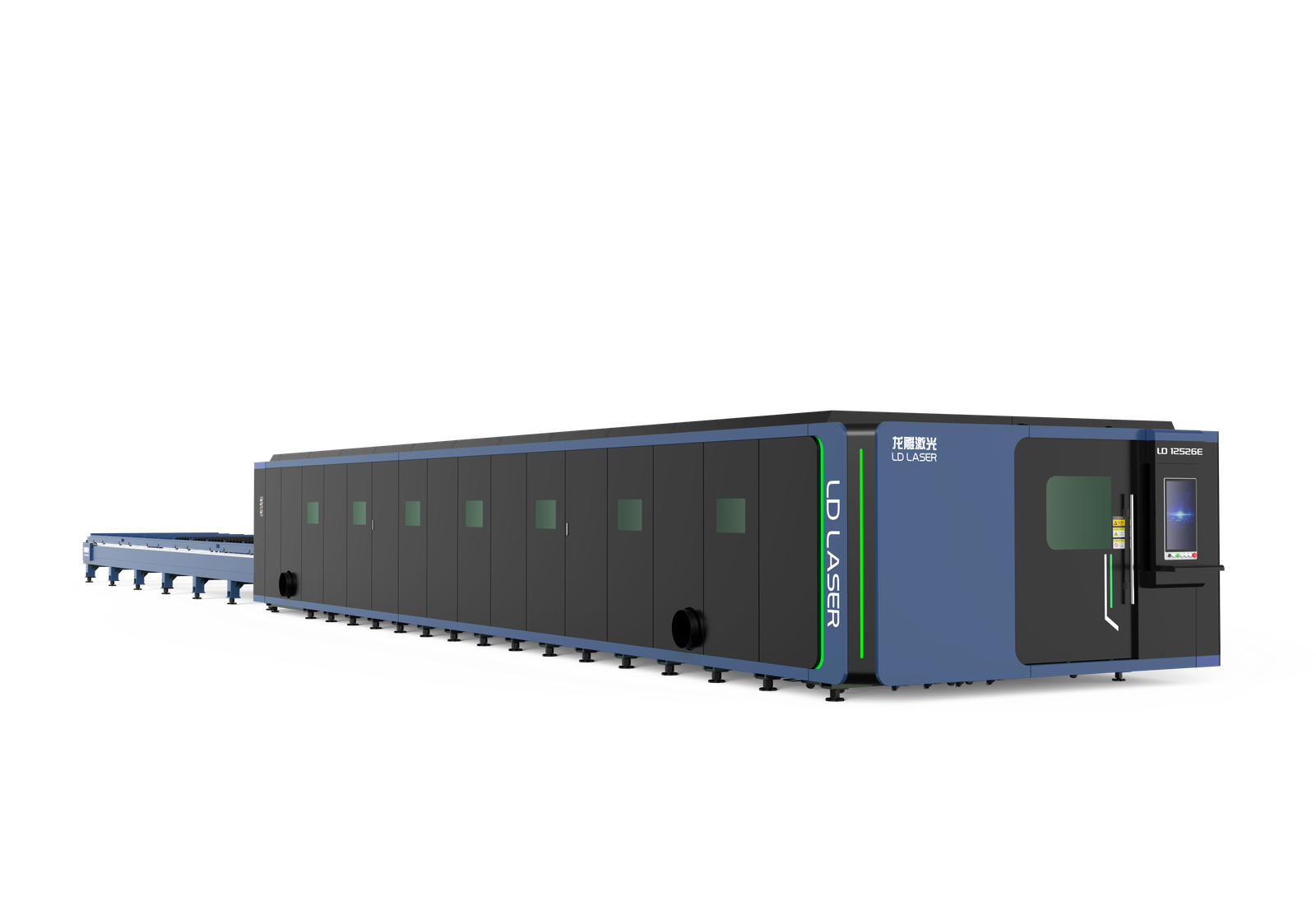
Equal diameter clamping heads represent a critical advancement in pipe laser machining technology, where surface protection directly impacts production efficiency and component quality. These specialized clamping systems employ engineered contact materials with precise hardness specifications to prevent surface deformation during high-precision cutting operations. The technology addresses fundamental challenges in processing pre-finished pipes, thin-walled materials, and decorative surfaces where traditional clamping methods create unacceptable damage patterns that compromise both aesthetics and structural integrity.
Önemli Çıkarımlar
Equal diameter clamping heads use precision-engineered chuck mechanisms with synchronized jaw movement for consistent workpiece positioning within ±0.05mm tolerances.
Soft-contact materials with 60-80 Shore A hardness and multi-layer protective coatings reduce localized stress concentrations by 40-60%.
Elastomeric contact pads distribute clamping forces evenly while preventing cutting debris from embedding into pre-finished decorative surfaces.
Force-sensing mechanisms automatically adjust pressure based on wall thickness, safely handling pipes as thin as 0.5mm without deformation.
Replaceable polymer inserts and rubber coatings provide superior grip performance while maintaining zero surface marking tolerance during operations.
Understanding Equal Diameter Clamping Technology
When fabricators process pipes of varying outer diameters, equal diameter clamping technology guarantees consistent workpiece positioning by maintaining uniform clamping force distribution across different pipe sizes. This system employs precision-engineered chuck mechanisms that automatically adjust to accommodate diameter variations while preserving identical clamping contact points.
The clamping mechanics utilize synchronized jaw movement algorithms that calculate ideal pressure distribution based on material properties and dimensional specifications. Each jaw segment applies predetermined force vectors, eliminating deformation risks associated with uneven pressure application. Equal diameter advantages include reduced setup time between pipe changes, enhanced positional accuracy within ±0.05mm tolerances, and minimized surface marking on finished components.
The technology incorporates force feedback sensors that monitor clamping pressure in real-time, automatically compensating for material variations. This closed-loop system guarantees consistent pipe centerline alignment regardless of wall thickness or surface conditions, enabling repeatable laser processing results across diverse pipe specifications while maintaining production efficiency standards.
Surface Damage Prevention Mechanisms
Since pipe surfaces require protection from mechanical damage during clamping operations, advanced surface damage prevention mechanisms integrate specialized contact interfaces and pressure distribution technologies. These systems employ soft-contact materials ile controlled hardness ratings between 60-80 Shore A durometer, preventing surface marring while maintaining secure grip forces.
Surface durability innovations include multi-layer protective coatings that distribute clamping loads across expanded contact areas, reducing localized stress concentrations by 40-60%. Adaptive pressure regulation systems monitor real-time force distribution through embedded sensors, automatically adjusting clamping pressure to maintain ideal holding torque without exceeding material yield limits.
Clamping technology advancements incorporate replaceable contact pads with material-specific compounds tailored for different pipe substrates. These mechanisms feature spring-loaded dampening elements that absorb vibration-induced micro-movements during laser processing. Data indicates these protection systems reduce surface defects by 85% while maintaining positioning accuracy within ±0.1mm tolerances across extended operational cycles.
Uniform Pressure Distribution Benefits
Equal diameter clamping heads generate uniform pressure distribution across the pipe circumference, eliminating localized stress concentrations that cause material deformation. This consistent pressure application maintains ideal clamping force throughout the machining cycle, preventing workpiece slippage and dimensional variations. The resulting force stability enables precise laser cutting operations while preserving pipe wall integrity and geometric tolerances.
Reduced Pipe Deformation Risk
Pipe deformation represents a critical failure mode in laser cutting operations, where excessive or uneven clamping forces create localized stress concentrations that compromise both boyutsal doğruluk and structural integrity. Equal diameter clamping heads markedly enhance pipe flexural strength by distributing forces uniformly across the contact surface, preventing localized yielding that occurs with mismatched clamping systems. This uniform force distribution maintains the pipe’s cross-sectional geometry throughout the cutting process, ensuring dimensional tolerances remain within specification. Deformation minimization directly correlates with improved cut quality, as maintained pipe roundness prevents laser focal point variations that compromise edge finish. The technology reduces malzeme atığı by eliminating parts that exceed geometric tolerances, while maintaining consistent wall thickness measurements across the entire cut zone, thereby preserving the pipe’s structural properties.
Enhanced Clamping Force Stability
Fluctuations in clamping pressure create cascading failures throughout the laser cutting process, manifesting as inconsistent kerf widths, variable heat-affected zones, and compromised dimensional accuracy. Equal diameter clamping heads deliver superior clamping force optimization through uniform pressure distribution across the pipe circumference. This engineering approach eliminates pressure variance that typically occurs with traditional stepped-diameter systems.
Critical advantages of enhanced force stability include:
Eliminates hot spots that cause material stress concentrations and premature workpiece failure
Prevents micro-movements during high-speed cutting operations that destroy precision tolerances
Reduces vibration transmission from laser head to workpiece, maintaining beam focus integrity
Comprehensive stability testing demonstrates that equal diameter designs maintain ±2% pressure variance compared to ±15% variance in conventional systems, directly correlating with improved cut quality metrics and reduced scrap rates.
Thin-Walled Pipe Handling Capabilities
Delicacy in handling thin-walled pipes represents a critical performance metric for equal diameter clamping heads, as excessive clamping force can cause deformation, buckling, or collapse of the pipe structure. Advanced clamping systems integrate force-sensing mechanisms that automatically adjust pressure based on wall thickness measurements, preventing structural damage while maintaining positional accuracy during laser processing operations.
The thin-walled design requires specialized contact surfaces featuring distributed pressure zones that minimize stress concentration points. Engineering calculations demonstrate that ideal force distribution reduces hoop stress by 40-60% compared to traditional point-contact methods. Adaptive algorithms continuously monitor pipe geometry changes during rotation, adjusting clamping parameters in real-time to accommodate variations in wall thickness or ovality.
Modern equal diameter heads incorporate pneumatic pressure regulation with precision down to 0.1 PSI increments, enabling safe handling of pipes with wall thicknesses as low as 0.5mm. This controlled approach guarantees consistent pipe geometry preservation throughout the entire laser cutting cycle.
Pre-Finished Material Protection Methods
While maintaining yapısal bütünlük during clamping operations represents only one aspect of material preservation, protecting pre-finished surfaces from scratches, contamination, and wear marks requires specialized contact interface technologies within equal diameter clamping heads.
Advanced clamping systems integrate protective mechanisms specifically designed for pipe surface treatments. Elastomeric contact pads with controlled Shore hardness ratings distribute clamping forces while creating barrier layers between metal components and pre finished coating methods. These interfaces accommodate surface irregularities without compromising grip strength or positional accuracy.
Critical protection features include:
Contamination barriers that prevent cutting debris from embedding into expensive decorative finishes
Pressure distribution systems that eliminate point loading on delicate anodized or powder-coated surfaces
Anti-marking technologies that preserve pristine appearances for architectural applications requiring zero visual defects
Specialized jaw inserts manufactured from non-abrasive compounds guarantee consistent surface quality throughout processing cycles while maintaining the precise clamping forces necessary for accurate laser cutting operations.
Force Distribution Engineering Principles
Optimization of clamping force distribution across pipe circumferences requires systematic analysis of stress concentration patterns, material deformation thresholdsve contact pressure gradients within equal diameter head assemblies. Force distribution analysis reveals critical zones where excessive loads create surface indentations or material displacement beyond elastic limits. Engineers implement mathematical modeling to map pressure distribution vectors across multiple contact points, ensuring uniform load transfer throughout the clamping interface.
Load enhancement techniques incorporate finite element analysis to determine ideal jaw positioning angles and pressure application sequences. Multi-point contact systems distribute forces across broader surface areas, reducing peak stress concentrations by 40-60% compared to traditional two-point configurations. Variable pressure control mechanisms adjust individual jaw forces based on material thickness variations and circumferential irregularities.
Advanced algorithms monitor real-time force feedback, automatically compensating for thermal expansion and material creep during extended machining cycles. This systematic approach maintains consistent grip security while preserving surface integrity across diverse pipe materials and dimensional tolerances.
Industry Applications and Performance Standards
Multiple industries utilize equal diameter clamping heads to meet stringent performance benchmarks that govern pipe laser machining operations across oil and gas, construction, and manufacturing sectors. These applications demand precise dimensional tolerances ve consistent surface integrity across varying pipe diameters and wall thicknesses.
Performance standards necessitate clamping systems to maintain concentricity within ±0.001 inches while operating at cutting speeds exceeding 200 inches per minute. Innovative materials including advanced polymer composites and precision-machined steel components enable sustained performance under thermal cycling conditions.
Critical performance metrics include:
Zero surface marking tolerance – preventing costly rework and material waste that devastates project timelines
Rapid changeover capabilities – eliminating production bottlenecks that crush operational efficiency targets
Extended service life requirements – reducing replacement costs that drain maintenance budgets
Manufacturing processes incorporating automated calibration systems assure consistent clamping force distribution across production runs. Industry certifications mandate regular performance validation testing to verify compliance with dimensional accuracy specifications and surface protection requirements.
Protective Contact Surface Materials
Protective contact surface materials in equal diameter clamping heads serve as critical interfaces between the clamping mechanism and pipe surfaces, preventing damage while maintaining secure positioning during laser cutting operations. Rubber coating applications provide enhanced grip coefficients and distribute clamping forces uniformly across pipe circumferences, while polymer inserts offer superior wear resistance and chemical compatibility with various pipe materials. Metal surface treatments, including hardening and specialized coatings, extend operational life and reduce maintenance intervals by minimizing wear patterns and corrosion effects under high-frequency clamping cycles.
Rubber Coating Applications
Contact-surface enhancement through rubber coating applications represents a critical engineering consideration in equal diameter clamping head design, where material selection directly influences grip performance, workpiece protection, and operational longevity. Advanced rubber formulations deliver superior adhesion characteristics while maintaining dimensional stability under thermal cycling. Coating techniques encompass spray application, dip coating, and vulcanized bonding methods, each optimized for specific operational parameters.
Manufacturing excellence demands precise coating specifications:
Operators experience reduced setup anxiety when consistent grip patterns eliminate workpiece slippage concerns
Production managers gain confidence through predictable coating performance metrics and extended service intervals
Quality engineers feel assured knowing uniform coating thickness prevents surface marking and dimensional variations
Polyurethane-based formulations demonstrate exceptional tear resistance, while silicone variants provide temperature stability across -40°C to 200°C operating ranges.
Polymer Insert Benefits
Beyond rubber coating methodologies, polymer insert systems offer engineered contact solutions that integrate directly into clamping head assemblies through mechanical retention mechanisms rather than adhesive bonding processes. These inserts utilize high-performance thermoplastics and thermosets designed for controlled compression and surface conformity. Polymer advantages include superior dimensional stability, predictable elastic modulus characteristics, and resistance to cutting fluid contamination. The modular design enables rapid replacement without disassembling entire clamping mechanisms, reducing maintenance downtime. Insert geometry can be precisely machined to match specific pipe diameter tolerances and surface textures. This approach enhances clamping efficiency through consistent contact pressure distribution and eliminates adhesive failure modes common in coating applications. Temperature resistance ranges from -40°C to 200°C depending on polymer selection.
Metal Surface Treatments
Surface engineering through metal treatment technologies addresses clamping applications where polymer or rubber contact materials prove inadequate for extreme operating conditions or specialized workpiece requirements. Advanced surface treatments enhance metal corrosion resistance while maximizing surface durability through precise microstructural modifications.
Critical metal treatment applications include:
High-temperature laser cutting operations where polymer materials degrade under thermal cycling and intense heat exposure
Corrosive environment processing involving acidic coolants or chemical-laden atmospheres that attack standard contact surfaces
Precision workpiece handling requiring ultra-low surface roughness values and dimensional stability under repeated clamping forces
Electroplating, physical vapor deposition, and chemical conversion coatings provide measurable improvements in wear resistance and dimensional retention. These treatments extend operational lifecycles by 200-400% compared to untreated steel surfaces, delivering quantifiable performance gains in demanding manufacturing environments.
Sonuç
Equal diameter clamping heads demonstrate measurable performance improvements in surface protection applications. A titanium exhaust manifold manufacturer reported zero surface defects on pre-anodized components after implementing elastomeric contact pad systems, compared to 12% rejection rates with conventional steel clamps. The controlled hardness ratings of 60-80 Shore A durometer materials enable uniform pressure distribution across 360-degree contact zones, maintaining workpiece dimensional tolerances within ±0.001 inches while preventing localized stress concentrations during laser processing operations.