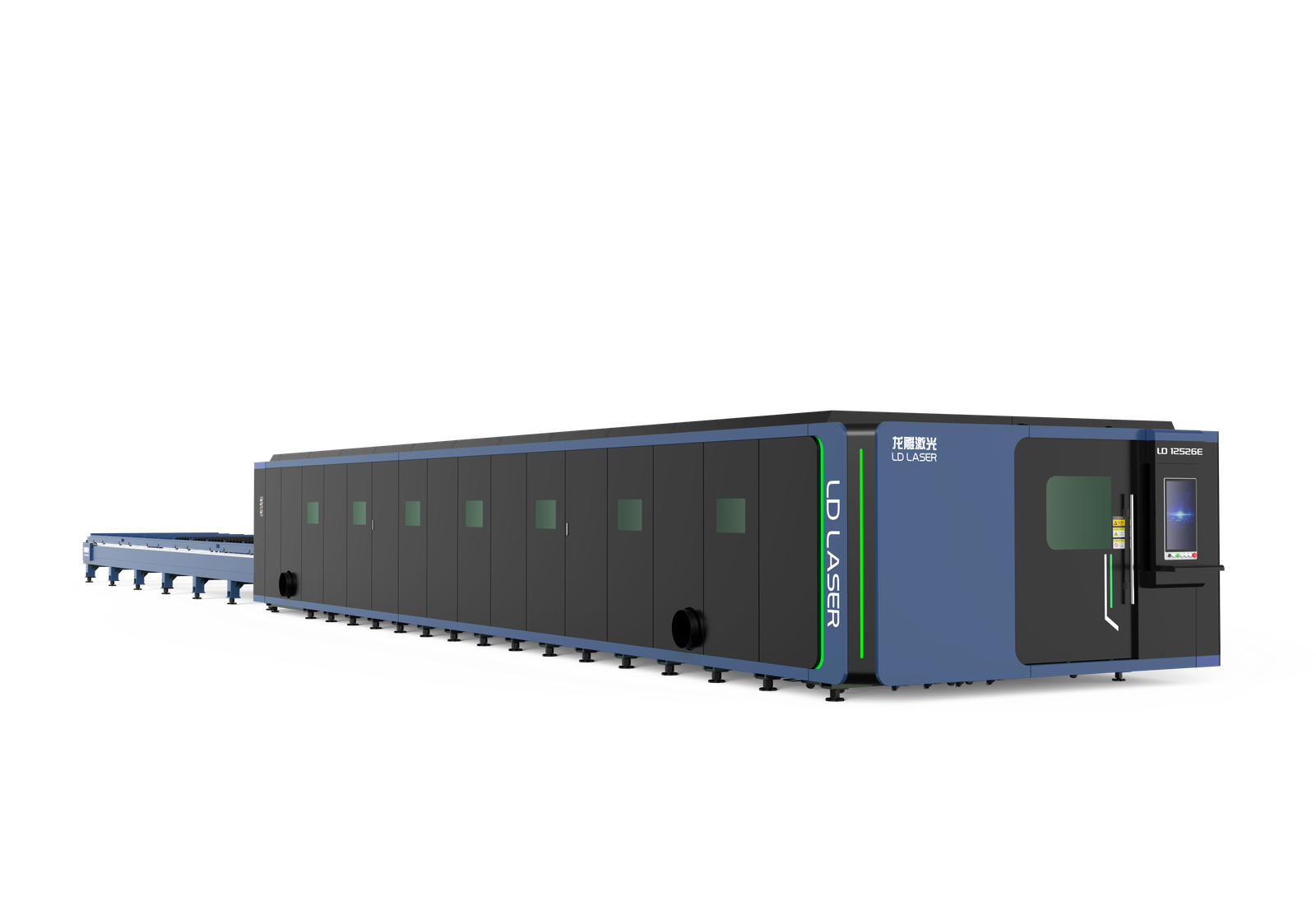
Traditional flat bed laser cutting systems encounter significant thermal management challenges when processing thick metal plates. Heat accumulation leads to warpage, inconsistent cut quality, and accelerated equipment wear. The conventional support structure restricts airflow circulation and traps molten debris against the workpiece surface. These limitations force operators to reduce cutting speeds or implement costly cooling interventions. Advanced heightened bed configurations address these fundamental design constraints through strategic elevation principles that transform both thermal dynamics and material handling capabilities.
Önemli Çıkarımlar
Elevated bed configurations enable superior airflow beneath workpieces, facilitating enhanced cooling rates and preventing heat accumulation during cutting operations.
Strategic air gap positioning between elevated supports provides thermal isolation, reducing heat transfer and maintaining consistent cutting precision.
Gravity-assisted debris removal through heightened designs prevents molten material accumulation and reduces contamination exposure during laser processing.
Robust elevated support structures distribute weight loads effectively while maintaining dimensional stability under thermal cycling conditions for thick plates.
Enhanced clearance zones created by elevated architectures improve ventilation pathways and enable multi-directional airflow for thorough debris evacuation.
Understanding the Limitations of Traditional Flat Bed Laser Cutting Systems
Traditional flat bed laser cutting systems operate within inherent geometric constraints that fundamentally limit their processing capabilities. The fixed horizontal bed configuration restricts material thickness processing, as the laser head maintains consistent focal distance requirements above the workpiece surface. This design creates clearance issues when cutting thick plates, forcing operators to compromise beam quality or abandon projects entirely.
Heat accumulation presents another critical barrier in traditional systems. Material contact with the solid bed surface creates thermal bridging, preventing effective heat dissipation during cutting operations. This thermal buildup degrades cut quality, increases material warping, and reduces processing speeds considerably.
Limitations analysis reveals that conventional flat beds struggle with debris management, as molten material and slag accumulate beneath the workpiece. This contamination interferes with subsequent cuts and requires frequent cleaning cycles. Efficiency challenges emerge from these design constraints, creating bottlenecks in production workflows and limiting the system’s ability to handle diverse material specifications effectively.
Engineering Principles Behind Elevated Support Structure Design
Elevated laser cutting bed systems operate on three fundamental engineering principles that directly impact cutting performance and system longevity. Thermal management optimization requires strategic positioning of support elements to facilitate heat dissipation while preventing material warping during high-intensity cutting operations. Structural load distribution ve airflow enhancement mechanics work in tandem to maintain material stability and remove debris particles from the cutting zone through controlled ventilation pathways.
Thermal Management Optimization
While conventional laser cutting beds rely on solid surface contact for workpiece support, heightened bed architectures implement strategic thermal isolation through controlled air gaps and minimized contact points. This configuration reduces unwanted thermal conductivity between the heated workpiece and support structure, preventing heat accumulation that compromises cutting precision. Air gaps act as thermal barriers, limiting conductive heat transfer pathways while maintaining structural integrity.
| Contact Type | Heat Transfer Rate | Thermal Isolation |
|---|---|---|
| Full Surface | High | Poor |
| Point Contact | Medium | Good |
| Air Gap | Low | Excellent |
The elevated design enables natural convection currents to circulate beneath workpieces, accelerating cooling rates. Strategic positioning of support points minimizes thermal bridges while ensuring adequate load distribution across the cutting surface.
Structural Load Distribution
When implementing heightened bed designs, engineers must calculate precise load distribution patterns to prevent structural failure and maintain cutting accuracy under dynamic operational stresses. The elevated framework requires strategic beam placement and cross-bracing to distribute concentrated loads from heavy steel plates across multiple support points. Load distribution techniques include finite element analysis modeling to identify stress concentration zones and optimize support member sizing. Critical junction points undergo material stress testing to verify structural integrity under maximum rated loads plus safety factors. Cantilever forces from overhanging workpieces demand reinforced perimeter supports with adequate moment resistance. The support matrix must accommodate thermal expansion while maintaining dimensional stability during high-temperature operations, ensuring consistent focal distances throughout extended cutting cycles.
Airflow Enhancement Mechanics
Optimization of exhaust velocity beneath laser cutting operations requires strategic elevation of workpiece support structures to maximize debris evacuation efficiency. Heightened bed configurations create expanded clearance zones that facilitate unobstructed airflow patterns throughout the cutting chamber. Enhanced vertical spacing enables downward ventilation systems to generate consistent pressure differentials, preventing molten material accumulation on support surfaces.
Elevated platform designs incorporate perforated geometries that channel exhaust streams through predetermined pathways, reducing turbulence formation around cutting zones. Strategic positioning of support elements creates laminar flow conditions that effectively transport particulate matter toward extraction points. Advanced ventilation strategies utilize the increased underbedding volume to establish multi-directional airflow patterns, ensuring thorough debris removal from complex cutting profiles. This systematic approach to airflow management considerably improves cut quality while extending consumable component lifespan.
Enhanced Airflow Dynamics and Thermal Management Benefits
Elevation of the cutting bed creates distinct thermal pathways that fundamentally alter heat dissipation patterns during laser operations. The heightened configuration establishes vertical airflow patterns that promote superior convective cooling beneath the workpiece. This three-dimensional air circulation eliminates stagnant zones where heat accumulation typically occurs in conventional flat-bed systems.
Enhanced thermal gradients develop as cool air enters from below while heated air rises naturally through the elevated framework. This stratified airflow mechanism maintains consistent temperature distribution across the cutting surface, preventing localized overheating that compromises cut quality. The vertical separation allows ambient air to circulate freely around the material’s underside, creating continuous heat extraction during prolonged cutting operations.
Temperature differential management becomes considerably more effective as the elevated design facilitates rapid thermal equilibrium restoration between cutting passes. This thermal stability reduces material warping, minimizes heat-affected zones, and maintains boyutsal doğruluk throughout extended manufacturing cycles, particularly critical when processing thick plates requiring multiple passes.
Structural Advantages for Heavy Plate Processing Applications
Beyond thermal management improvements, heightened bed configurations provide substantial mechanical advantages when processing heavy plate exceeding standard thickness parameters. The elevated framework distributes weight loads more effectively across support structures, preventing bed deflection that compromises cutting precision. Steel plates ranging from 25mm to 50mm thickness require robust support systems capable of maintaining dimensional stability under extreme thermal cycling conditions.
Design innovations in heightened bed architecture incorporate reinforced crossbeam networks and strategically positioned load-bearing columns. These elements eliminate micro-vibrations that degrade edge quality during prolonged cutting operations. The increased structural rigidity enables consistent focal point positioning across large workpieces, maintaining beam perpendicularity throughout the cutting process.
Enhanced accessibility from the elevated platform facilitates efficient material handling procedures. Operators can position heavy plate sections without compromising safety protocols while maintaining ideal clearance for debris evacuation systems. This configuration reduces setup times and minimizes material handling equipment requirements for industrial-scale manufacturing operations.
Operational Improvements in Cut Quality and Equipment Longevity
Implementing heightened bed designs directly enhances cut quality through improved debris management and reduced contamination exposure during laser processing operations. The elevated configuration facilitates gravity-assisted slag removal, preventing molten material accumulation that compromises cutting precision. Enhanced airflow beneath workpieces enables superior cooling rates, reducing thermal distortion and maintaining dimensional accuracy across extended processing cycles.
Equipment longevity increases markedly through reduced thermal stress on critical components. The improved heat dissipation properties minimize bearing wear, extend linear guide life, and reduce maintenance frequency on positioning systems. Consistent material support eliminates vibration-induced wear patterns that typically degrade mechanical assemblies over time.
Material flexibility expands markedly as operators can process varying thicknesses without compromising support integrity. The robust platform maintains cutting precision regardless of workpiece weight distribution, enabling consistent edge quality across diverse material specifications. Reduced downtime for cleaning and maintenance operations translates to higher productive capacity and lower operational costs.
Implementation Considerations and Performance Optimization Strategies
Bir yandan heightened bed systems offer substantial operational advantages, successful implementation requires careful consideration of structural engineering requirements and systematic performance optimization protocols. Critical factors include load-bearing calculations for elevated platform assemblies, thermal expansion coefficients for support structures, and integration compatibility with existing laser cutter frameworks.
Safety protocols must address increased fall hazards, emergency access procedures, and proper lifting equipment specifications for material handling at elevated positions. Operators require specialized training for working with heightened configurations and emergency response procedures.
Maintenance practices demand modified inspection schedules focusing on structural integrity assessments, support column stability verification, and elevated access safety equipment calibration. Performance optimization involves systematic beam path calibration, focal distance verification protocols, and thermal management system tuning.
Regular monitoring of vibration dampening effectiveness, structural deflection measurements, and heat dissipation efficiency guarantees sustained operational excellence. Documentation of performance metrics enables continuous improvement and preventive maintenance scheduling optimization.
Sonuç
Heightened bed design represents a paradigmatic advancement in lazer kesim teknolojisi, operating like a precision-engineered thermal chimney that channels heat away from the cutting zone. The elevated architecture optimizes airflow dynamics, eliminates thermal accumulation, and enables superior thick plate processing capabilities. Enhanced debris management, consistent focal positioning, and improved cut quality demonstrate measurable performance gains. This configuration establishes new benchmarks for operasyonel veri̇mli̇li̇k, equipment longevity, and processing accuracy in industrial laser cutting applications.